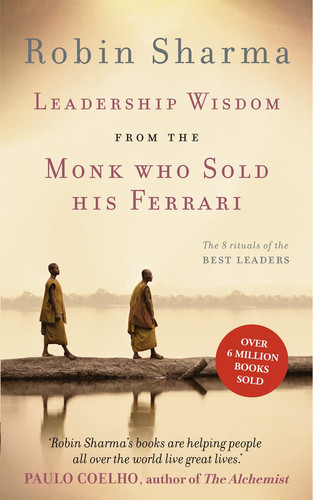
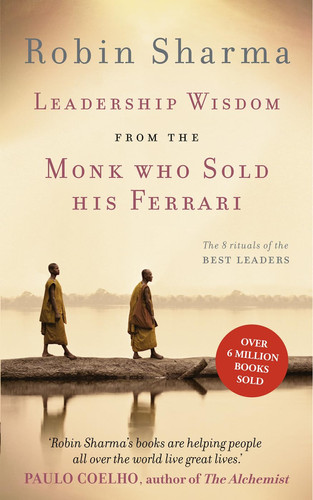
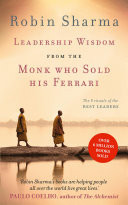
Peter Franklin, the CEO of GlobalView Software Solutions, found himself adrift in a sea of corporate challenges, his company teetering on the brink of crisis. The passion that once fueled his ambition had waned, and the weight of leadership felt crushing. It was then that a familiar figure re-entered his life: Julian Mantle, his former associate, whose own dramatic transformation from a high-powered lawyer to an enlightened monk had become legend. Julian, radiating a profound sense of peace and purpose gleaned from his odyssey in the Himalayas, saw the struggle in Peter's eyes and offered to guide him, not with quick fixes, but with timeless wisdom.
Julian began to unveil the "Eight Rituals of Visionary Leaders," a step-by-step system designed to revitalize not just a company, but the very soul of its leader. The first ritual, that of a Compelling Future Focus, urged Peter to dignify and honor the lives of those he led by allowing them to manifest their highest potential through their work. A leader's ultimate task, Julian explained, was to ignite a shared vision, to inspire and energize people towards a common, meaningful cause, linking their daily efforts to an emotionally compelling purpose.
Next came the Ritual of Human Relations, emphasizing that true leaders manage by mind but lead by heart. Julian spoke of deeply connecting with followers, showing genuine interest, care, and concern, fostering interpersonal relationships through active listening and empathy. People, he stressed, needed to feel accepted, appreciated, and personally cared for. This was the foundation upon which loyalty, trust, and commitment were built. This naturally led to the Ritual of Team Unity, where rewarding routinely and recognizing relentlessly cultivated an environment where employees felt valued as members of an exciting team, willing to go the extra mile and invest their spirits in the organization.
The path continued with the Ritual of Adaptability and Change Management. Julian explained that in a world of constant flux, a visionary leader must not only surrender to change but also navigate it with grace, guiding their team through transitions effectively. This meant communicating clearly and ensuring every team member felt an active part of the new direction. Following this was the Ritual of Personal Effectiveness, a powerful reminder that "as you live your days, so you live your life." Peter learned the importance of focusing on what was truly worthy, having the courage to neglect the unnecessary, and understanding that the present moment was all one truly possessed.
Julian then introduced the Ritual of Self-Leadership, a profound call for leaders to lead themselves first. This involved self-reflection, setting clear goals, and translating positive intentions into tangible results through consistent integrity in the moment of choice. It underscored the necessity of personal growth and self-awareness as foundational components of effective leadership.
The seventh ritual, Creativity and Innovation, challenged Peter to "see what all see, think what none think." It was about developing the skill to discover new solutions to old problems, to see things not only as they were but as they could become. Julian encouraged nourishing imagination, daring to dream bigger, and envisioning a higher future, reminding Peter that deep within every visionary leader lived the spirit of a child, full of excitement and wonder.
Finally, Julian revealed the Ritual of Contribution and Significance. He imparted that the quality of one's life was determined by the quality of one's contributions to the greater world. This ritual urged Peter to link his leadership to a lasting legacy, to add deeper value to the world, and to inspire his organization to achieve world-class levels of productivity, performance, and passion, ultimately leaving a beautiful legacy that would endure. Through these profound conversations, Peter began to see a clear path forward, not just for his company, but for his own life, understanding that true leadership was an inner journey reflected in outward action.