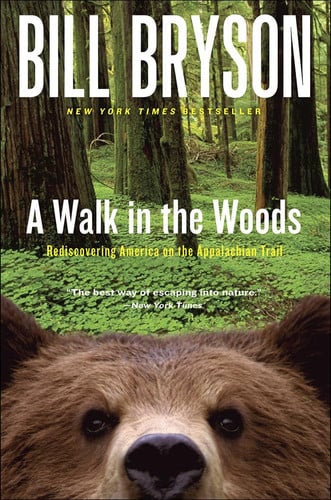
A sudden, irrepressible urge to reconnect with his homeland, after years spent across the Atlantic, seized him upon discovering that the legendary Appalachian Trail wound tantalizingly close to his new New Hampshire home. It was a call to the wild, a yearning for the ancient, sprawling forests of America, and a notion, perhaps a touch naive, that hiking its entire 2,190-mile length, from Georgia to Maine, would be a grand adventure. The only problem was, who would join such a quixotic quest?
Enter Stephen Katz, an old friend from college, equally out of shape and even less prepared for the rigors of the wilderness. Their reunion after years was marked by a shared, if unspoken, trepidation. With an abundance of expensive, yet often bewildering, gear, they embarked from Springer Mountain, Georgia, their packs laden, their spirits a mix of eager anticipation and profound ignorance. The initial days were a comedic struggle against the elements and their own bodies, as blisters bloomed, muscles protested, and the sheer weight of their provisions quickly became unbearable, leading to the swift jettisoning of non-essentials.
The trail, however, was more than just a physical challenge; it was a living, breathing entity, a repository of history and ecological marvels. Between the aches and the often-hilarious missteps, he found himself delving into the rich tapestry of the Appalachian wilderness. He learned of its ancient trees, its diverse wildlife - including the ever-present, if rarely seen, black bears that sparked both fascination and a healthy dose of paranoia - and the often-fraught history of conservation efforts.
Their journey took them through breathtaking landscapes, from the dense, misty forests of the Great Smoky Mountains, where the beauty was sometimes marred by signs of human impact, to the picturesque Blue Ridge Mountains. Yet, the relentless scale of the trail soon became apparent. After what felt like an immense effort, they found themselves in Gatlinburg, Tennessee, a bustling tourist trap that felt jarringly out of place, and a stark realization dawned: they had barely begun. The dream of a continuous thru-hike began to unravel, leading to the practical decision to skip significant sections by car, picking up the trail again in Virginia.
The camaraderie between him and Katz, forged in shared discomfort and punctuated by Katz's often-grumpy, yet endearing, presence, became a central pillar of the experience. They encountered a colorful cast of characters along the way, some inspiring, others merely eccentric, and even a particularly annoying fellow hiker named Mary Ellen. These interactions, alongside the solitude of the deep woods, highlighted themes of isolation and companionship, and the unexpected kindness found in the wilderness.
After several hundred miles, their paths diverged for a time. Katz returned home to work, while he continued to explore parts of the trail, sometimes by car, staying in motels, and undertaking day hikes. This period of solo exploration, while informative, lacked the unique dynamic that Katz brought to the journey, underscoring the importance of shared experience. They reunited later to tackle the infamous Hundred Mile Wilderness in Maine, a remote and daunting stretch that tested their resolve anew.
The final leg of their adventure brought fresh challenges, including a tense period when Katz briefly went missing, prompting a frantic search and a sobering reflection on the dangers of the wild. Though they never completed the entire Appalachian Trail, reaching the summit of Katahdin remained an elusive goal, the experience itself transformed them. The journey, with its blend of physical exertion, intellectual discovery, and the enduring bond of friendship, became a testament to the wild beauty of America and the human spirit's capacity for both perseverance and humor in the face of daunting odds.