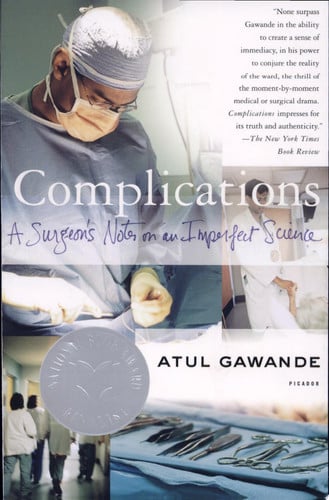

Positives The book is widely praised for its engaging and accessible writing style, making complex medical topics understandable for a broad audience. Reviewers highlight the author's fluid prose, candor, and compassionate approach as he delves into significant themes like medical fallibility, mystery, and uncertainty. The narrative is enriched with fascinating case studies and anecdotes that provide a unique "under the hood" perspective on the surgical profession and the realities of medical training. Many readers found the book thought-provoking, illuminating, and appreciated its honest portrayal of the challenges and ethical dilemmas faced by doctors, offering a humanizing look at an imperfect science.
Negatives However, some readers found the book's anecdotal structure to be a weakness, suggesting that the reflections linking the stories were at times uninspired or presented as profound insights when they were not particularly new. Certain passages were criticized for being overly simplistic or for not offering deeper solutions to the systemic issues in medicine. Specific concerns were raised about the author's perspective on patient autonomy, with one reviewer arguing that it sometimes leaned towards paternalism rather than fully embracing patient decision-making. Additionally, some found parts of the book to be graphic or unsettling, while others noted that its 2002 publication date means some information might be somewhat dated.
Conclusion Despite these mixed reactions, "Complications" is generally considered a valuable and worthwhile read. It offers an important, albeit sometimes unsettling, realization of the human element inherent in medical practice, emphasizing that doctors are fallible individuals who learn through experience and navigate constant uncertainty. The book is highly recommended for anyone interested in medical non-fiction, healthcare, or medical memoirs, particularly those seeking a candid and realistic understanding of the profession. It serves to educate and empower future patients by demystifying aspects of medical care, encouraging a more informed and engaged approach to health decisions.