
Add to library
You don't have any lists yet. Create one in My Library.
Go to My LibraryAdd to library
You don't have any lists yet. Create one in My Library.
Go to My LibraryCompte les étoiles
- Language
- French
- Published in
- Publisher
- l'École des loisirs
- Pages
- 228
- ISBN
- 9782211034364
Seen through the eyes of a child, this story reveals the heroism of an entire nation and the quiet bravery of ordinary people. Annemarie is asked to undertake a dangerous mission, and her courage is all that stands between her best friend and the horrors of war. The narrative explores the true meaning of bravery and the sacrifices made for friendship and humanity. It is an account of decency and resistance in a time of terror, reminding readers of the power of compassion in the face of overwhelming darkness.
Subjects
Original edition details
Other editions (41)
Other editions

Units of Study for Teaching Reading, Grade 4 Trade Book Pack
2011 • Heinemann
English

Number the Stars
2014 • Houghton Mifflin Harcourt
English

Number the Stars
1989 • Houghton Mifflin Harcourt
English
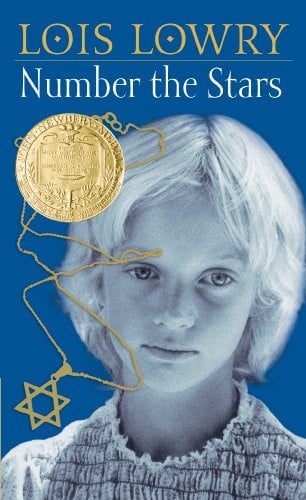
Number the Stars
1998 • Turtleback
English

Quién cuenta las estrellas?
2009 • Espasa
Spanish

¿Quién cuenta las estrellas?
2010 • Planetalector
Spanish
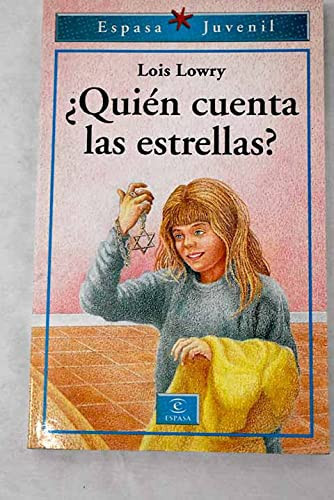
Quién Cuenta las Estrellas
1998 • Espasa Calpe, S.A.
Spanish

Number the Stars (Yearling Newbery)
1990 • Yearling
English
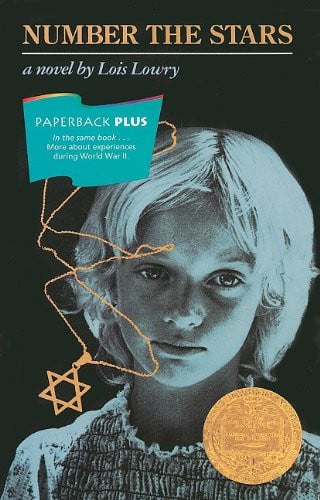
Number the Stars
1995 • Houghton Mifflin Harcourt Publishing Company
English
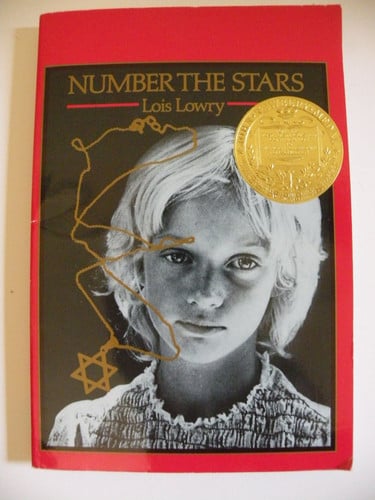
Number the Stars
1989 • Random House
English

Number the Stars
1990 • Random House Publishing Group
English

Number the Stars
2011 • Perfection Learning Corporation
English
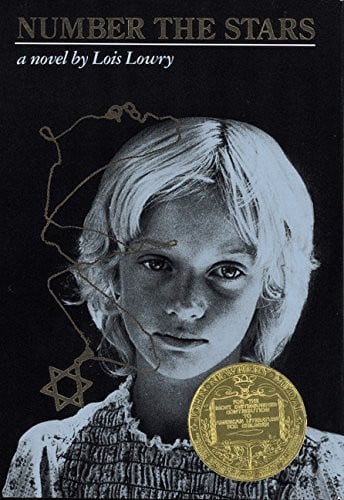
Number the Stars
2019 • Thorndike Press
English

Number the Stars
1989 • Bantam Doubleday Dell Books for Young Readers
English
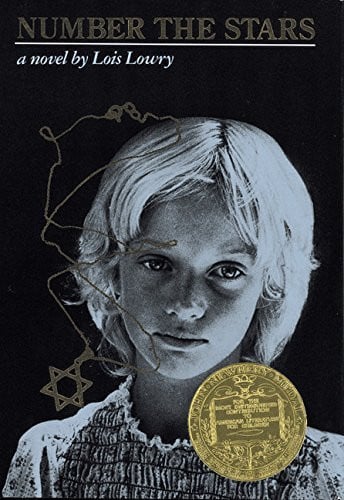
Number the Stars
2018 • Thorndike Press Large Print
English

Number the Stars
2004 • National Geographic Books
English

Number the Stars
1990 • Perfection Learning Corporation
English
Number The Stars
2012 • Harpercollins Uk
English
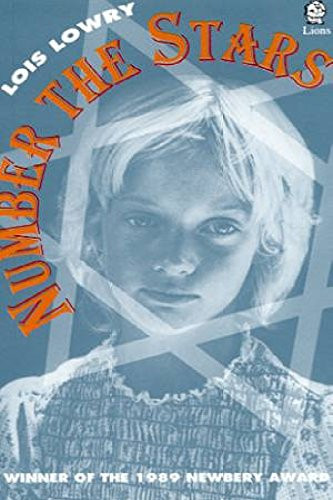
Number the Stars
1994 • HarperCollins Publishers Australia
English
Number the Stars
2011 • Houghton Mifflin Harcourt Publishing Company
English
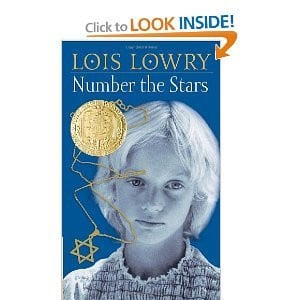
Number the Stars
1993 • Houghton Mifflin
English

Number the Stars
1994 • Random House Publishing Group
English
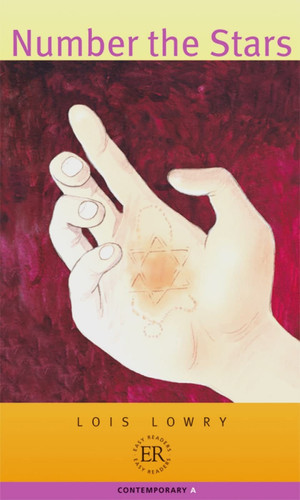
Number the Stars
2009 • Easy Readers
English

Number the Stars
2011 • HarperCollins Children's
English
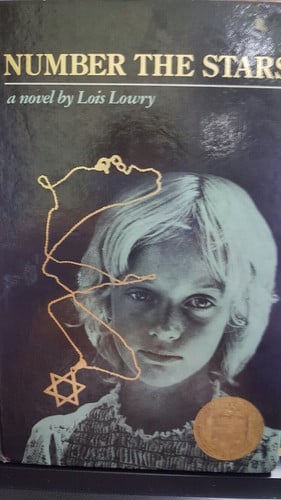
Number the Stars
1995 • Pages, Incorporated
English
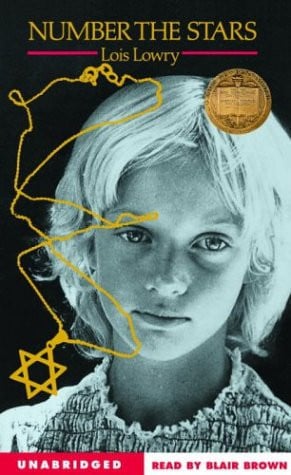
Number the Stars
2004 • Listening Library (Audio)
English

数星星
2009 • 河北教育出版社
Chinese
Quien Cuenta Las Estrellas? (Number the Stars)
2013 • Noguer y Caralt Editores, S. A.
Spanish

Number the Stars
1992 • Random House Children's Books
English

Number the Stars
1996 • Random House Children's Books
English

Number the Stars
1992 • Bantam Doubleday Dell Books for Young Readers
English
Quién cuenta las estrellas?
1997 • Espasa Calpe, S.A.
Spanish
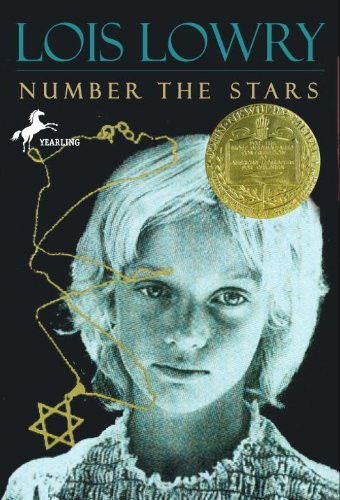
Number the Stars
1990 • Bantam Doubleday Dell Books for Young Readers
English
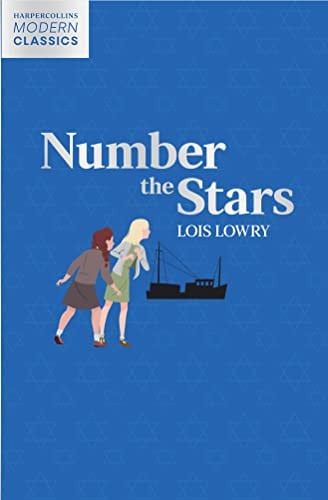
Number the Stars
2022 • HarperCollins Publishers Limited
English

Number the Stars And Related Readings
1998 • McDougal Littell
English

Quien cuenta las estrellas?
1997 • Espasa Calpe
Spanish
Quién Cuenta las Estrellas
1999 • Perfection Learning Corporation
Spanish
Yildizlari Saymak
2003 • Arkadas Yayinevi
Turkish

L-i-t Guide Literature in Teaching Number the Stars
1996 • Educational Impressions
English

Wer zählt die Sterne
1999 • Fischer-Taschenbuch-Verlag
German
Quien Cuenta Las Estrellas? (Number the Stars) (Espasa Juvenil) (Spanish Edition)
2001 • Bt Bound
Spanish
The next morning, a half-dozen black Volkswagens crawled up our driveway, and men in dark glasses streamed out across the lawn. They were the SIM, the secret police. Mami let them in, and they searched every corner of our house, even poking bayonets under my sister Lucinda's bed. Afterward, those black cars just sat at the end of our drive, watching. We couldn't go to school. The whole house fell into a whisper. “Shhh!” Mami would hiss whenever I asked a question. It was Lucinda who finally told me the secret: our Tío Toni was part of a plot against the dictator, El Jefe. His friends had been arrested, and now our family was being watched. I was so confused. El Jefe's portrait hung in our classroom next to George Washington's; everyone said he was our Benefactor. But Lucinda explained that we had to hang his picture, that he was a monster who made people disappear.
A little bit of our old life returned when Mr. Washburn, the American consul, moved his family into my cousins' empty house next door. With Americans living in the compound, the SIM finally drove away. Mr. Washburn had a son my age, Sam, with hair so blond it looked almost white. We explored the overgrown grounds together, and one day we found the door to Tío Toni's little casita unlocked. Someone was inside. I soon learned it was Tío Toni himself, hiding. For my twelfth birthday, I got a diary with a little lock and key. It became my only true friend, the one place I could write down all the secrets: Tío Toni's presence, the men who came to meet with him at night, and my growing crush on Sam. But one evening, Mami found me writing. “No more,” she pleaded, her eyes full of fear. “For now, we have to be like the little worm in the cocoon of the butterfly. All closed up and secret until the day . . .”
That day felt impossibly far away. At a party for Sam's sister, El Jefe himself appeared, his chest gleaming with medals. He noticed Lucinda, and the next day a palace limousine delivered a bouquet of roses from “an admirer.” A cold terror seized our house. Mami and Papi knew what this meant - that El Jefe had chosen my sister for himself. A frantic plan, which they called Operation Maid, was put into motion. Mr. Washburn arranged a special visa for Lucinda to go to the United States to work for a friend. The morning she was to leave, I woke to find blood on the sheets. I had gotten my period. I felt as if my own body was betraying me, turning me into a young woman in a country where that was the most dangerous thing to be.
As the weeks passed, a quietness grew inside me. Words would abandon me mid-sentence, leaving me stranded in silence. At school, when the teacher called on me, I could only shake my head. Papi understood. He would sit on my bed at night, stroking my hair. “One day,” he told me, his voice a soft story, “you're going to look back on all this and think, I really was a strong and brave girl. Promise me you'll spread your wings and fly.” The danger was everywhere. One afternoon, riding with Mr. Washburn, our car was hit from behind and the trunk flew open. Inside, wrapped in sugar-cane sacking, were the guns Papi and his friends called “the ingredients for the picnic.” A policeman saw them, but after a long, silent moment, he simply tied the trunk shut with a rope and waved us on.
One evening in late May, the men gathered at our house, their voices electric with nervous energy. They drove off into the night, and hours later returned, triumphant, shouting, “¡Que vivan Las Mariposas! Long live the Butterflies!” They had done it. El Jefe was dead. For a moment, our house was filled with a wild, breathless joy. But the joy was short-lived. The general who was supposed to take over the army and announce the liberation could not be found. The plan was falling apart. Papi and Tío Toni and the others scattered into the night, trying to salvage their revolution, leaving us to wait.
The next morning, the SIM stormed the compound. They tore our house apart, smashing everything. Then they dragged Papi and Tío Toni from the garage, their hands tied behind their backs, and shoved them into a car. Mami cried out my father's name, one last time. We fled to the home of our friends, the Mancinis, and hid in a walk-in closet off their bedroom. For weeks, that closet was our world. We ate food smuggled to us in a plastic bag and listened to the news on a shortwave radio, hearing of thousands of arrests and terrible tortures. Mundín was smuggled out of the country disguised as a girl, and then, one Sunday, Wimpy - an American grocer who was secretly an agent - arrived with paratroopers. A helicopter was waiting on the embassy lawn. As we lifted into the sky, I looked down at my island, a green and beautiful place I was leaving behind, and I saw a flash of purple by a van on the ground - Chucha, waving good-bye.
We landed in New York City, a world of gray buildings and strangers, into the arms of all the family who had escaped before us. For months we waited, Mami calling Mr. Washburn in Washington every few days for news. There was never any. Then one afternoon, he appeared in my grandparents' hotel room. He told us that just before the dictator's family fled the country, the son and his cronies had gone to the prison. They tied the remaining prisoners, including my father and my uncle, to palm trees and shot them. Then they took their bodies out to sea.
On Thanksgiving, my first in America, we gathered at my aunt's house in Queens. The sky, which had been gray all day, began to release tiny, hesitant flakes. I stood outside with my cousins, watching my first snow. It fell silently, covering the dead grass and bare trees, making the whole world new and clean. Later, looking out the window, I saw the angels we had made in the fresh snow. But they didn't look like angels. With their arms and legs swept wide, they looked like butterflies. Four of them, resting in the white silence. I thought of Papi's last promise, and Chucha's dream of us sprouting wings. The emptiness inside me began to fill, not with happiness, but with a strong, fierce pride. I closed my eyes and whispered to my father. *Okay, Papi. I promise I'll try.*
No discussions yet for this book.
Delete Discussion
Are you sure you want to delete this discussion? This action cannot be undone.
Rating Sources
The book receives widespread acclaim for its profound emotional impact and inspiring message, often described as thought-provoking and a testament to the strength of the human spirit. Many reviewers laud its ability to introduce the challenging subject of World War II and the Holocaust in a sensitive and accessible manner, making it suitable for a broad audience from young readers to adults. Its focus on the Danish resistance movement is frequently highlighted as a fascinating and less commonly known aspect of wartime history. The narrative is consistently praised for its beautiful writing, suspenseful plot, and engaging characters, all contributing to its well-deserved status as a Newbery Medal winner.
While overwhelmingly positive, some adult readers found the book to be somewhat simplistic or lacking in the "adult depth" they might seek in historical fiction, particularly if they are already well-versed in Holocaust literature. A few reviewers felt that its understated approach to the horrors of the period, though beneficial for younger audiences, might not fully convey the grim reality for those expecting a more graphic or detailed portrayal. Additionally, one reviewer expressed a desire for a more intense climax, finding certain narrative developments less impactful than anticipated.
Despite these minor points of criticism, the general consensus is that this remains a powerful and essential story, highly recommended for its timeless themes of courage, friendship, and human decency. It serves as an excellent and empathetic introduction for children and young adults to a significant historical event, offering a hopeful perspective on difficult times. Adults who appreciate historical fiction, especially tales of heroism and resistance, will also find it a quick, impactful, and educational read. Ultimately, it is ideal for anyone seeking an inspiring narrative about ordinary people taking extraordinary risks to do what is right.
No reviews yet. Be the first to review this book!
Delete Review
Are you sure you want to delete this review? This action cannot be undone.


