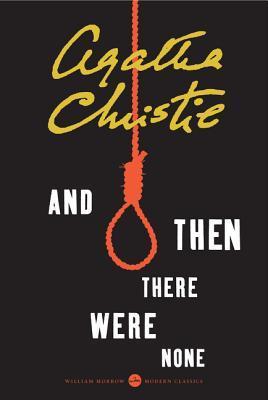
Ten strangers are lured to an isolated island mansion off the Devon coast by a mysterious host. Upon arrival, they find their host absent and discover they are completely cut off from the mainland. A recorded message plays, accusing each guest of a past crime for which they have escaped justice, revealing that all share a wicked past they are unwilling to discuss. Soon, one of them dies, and the remaining guests realize the murder mirrors the first line of an ominous nursery rhyme hanging in each room. Trapped together, they understand with mounting horror that a killer is among them, intent on carrying out a sentence of death for each of them.
As the storm of suspicion and paranoia grows, the survivors must confront the secrets that brought them to the island. With no one to trust and nowhere to escape, the line between accuser and accused blurs in a desperate struggle for survival. The novel unfolds as a masterful psychological thriller that examines the nature of guilt, justice, and the darkness that can reside within anyone. It is a relentlessly suspenseful story that builds to a conclusion that has baffled readers for decades, cementing its status as the world's best-selling mystery.
Reviewers widely praise this book as a captivating and brilliantly constructed mystery, often calling it a masterpiece that set the standard for the "whodunit" genre. Many found the story idea fascinating and smart, appreciating the intense suspense and pervasive tension that builds as the plot unfolds. Readers were particularly drawn to the clever plotting and intricate puzzle, with many admitting they were kept guessing until the very end. Beyond its thrilling surface, the novel is lauded for its psychological depth, prompting readers to reflect on themes of justice, guilt, and the darker aspects of human nature. Its efficient pacing and manageable length are also frequently highlighted as contributing to an engaging and addictive reading experience.
Despite its widespread acclaim, some reviewers noted certain aspects that hindered their full enjoyment. A common sentiment among modern readers is that the book's groundbreaking concept, having influenced countless subsequent works, no longer feels entirely new. Some found the writing style to be somewhat sterile or dry, desiring more descriptive narration or deeper character personalization. While the large cast of characters is often skillfully managed, a few readers struggled to connect with them, perceiving some as underdeveloped or interchangeable. Additionally, while the resolution is generally praised, a minority found the conclusion to be less impactful or even anticlimactic, feeling that clues were not sufficiently provided for the reader to actively solve the mystery alongside the characters. Some historical aspects of its original publication are also acknowledged as potentially problematic for contemporary sensibilities.
Overall, the book is overwhelmingly regarded as a classic and an essential read within the mystery genre. Its enduring influence and ingenious structure make it an unforgettable experience for most. This book is highly recommended for fans of murder mysteries, particularly those who enjoy suspenseful "locked room" scenarios and intricate plots that challenge the reader to guess the culprit. It will appeal to those who appreciate a thought-provoking exploration of morality and justice, as well as readers new to Agatha Christie's work looking for a quintessential example of her craft. While some elements might feel dated to modern sensibilities, the strength of its concept and execution ensures its continued status as a beloved and impactful novel.