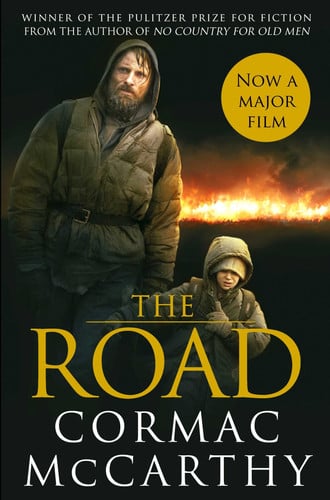
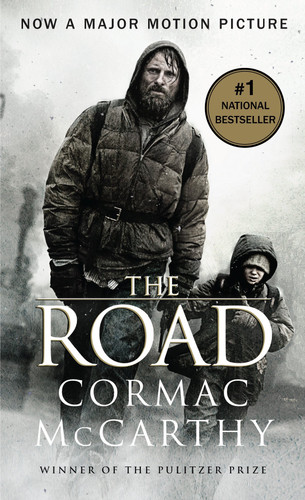
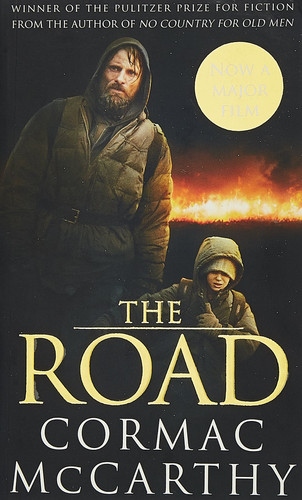
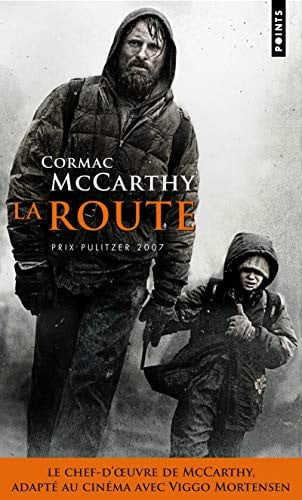
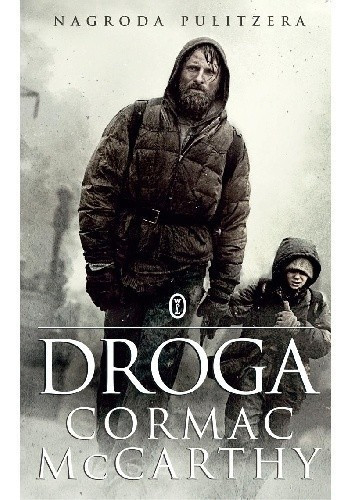
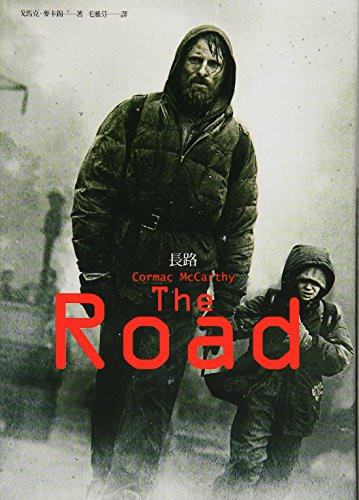
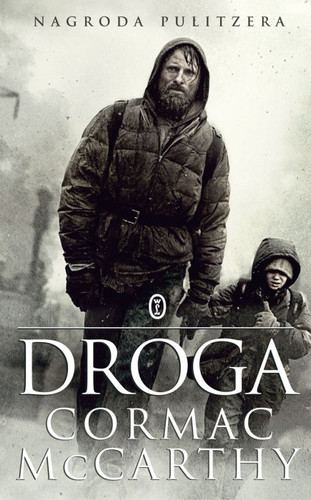
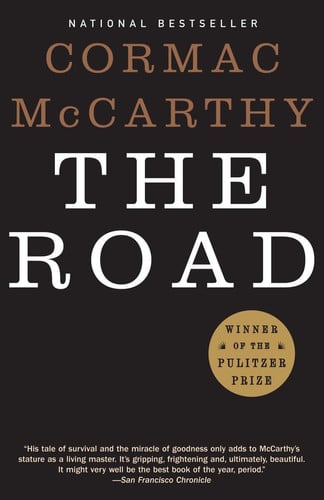
The world had ended. Not with a bang, but with a whimper of ash and cold, an unspecified cataclysm that left the earth charred, the sky perpetually gray, and the sun a distant, muted memory. Nothing grew. Animals were gone. Most of humanity had devolved into roving bands of cannibals, their moral compasses shattered by starvation and despair. In this desolate landscape, a man and a boy, his young son, moved south, pushing a laden shopping cart along the desolate roads, their breath pluming in the perpetual chill.
Their journey was a relentless test of endurance, a daily fight against cold, hunger, and the constant threat of discovery by those who had lost all humanity. The man, gaunt and wracked by a persistent cough that promised his eventual demise, carried a pistol with only two rounds, a grim last resort. He was the boy's sole protector, his teacher, his entire world. He taught the boy to be wary, to read the signs of danger in the empty towns and skeletal forests. They scavenged relentlessly, sifting through the ruins of convenience stores and abandoned homes for cans of peaches, stale crackers, anything to sustain their dwindling hope.
The man clung to fragmented memories of the world before, of green summers and his wife, the boy's mother, who had chosen to end her life rather than face the inevitable horrors of this new existence. These memories were bittersweet, a contrast to the stark reality of their present. The boy, having known only this ash-choked world, was a beacon of innocence and compassion, often urging his father to help strangers, even when such acts carried immense risk. He was the "fire" his father spoke of, the embodiment of goodness they desperately tried to carry forward.
They encountered glimpses of the horror that stalked the roads: a basement filled with human captives, kept as livestock by a brutal gang; the sudden, terrifying appearance of a road agent who lunged for the boy, only to be shot by the man. Each encounter, each narrow escape, chipped away at the boy's fragile innocence, making him question if they, too, were becoming like the "bad guys." The man, though hardened by necessity, wrestled with these moral quandaries, knowing that every act of survival, no matter how brutal, was for his son.
As they pressed on towards the coast, a destination without a promise, the man's cough worsened, his strength fading with each labored step. He knew his time was short. He tried to prepare the boy, to instill in him the resilience and the moral fortitude needed to continue alone. He spoke of carrying the fire, of being good, of finding other good people, even as the world around them offered little evidence of such a possibility.
Finally, on the desolate beach, the man succumbed. The boy stayed with him for three days, a small, solitary figure in a world of endless gray, before setting off alone, clutching the pistol. It was then, in his utter isolation, that he encountered another family – a man, a woman, and two children. They were "good guys," carrying the fire, and after a moment of profound uncertainty, the boy chose to trust them. He joined their small caravan, stepping into an uncertain future, carrying the weight of his father's love and the fragile flame of humanity within him.