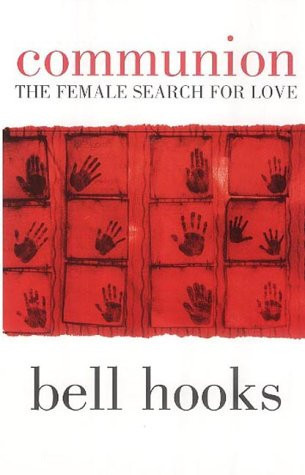
The soul yearns for communion, a deep connection that transcends the superficial, and for women, this journey into the heart of love is a quest for liberation. From childhood, we are often conditioned to seek validation and affection, to measure our worth by our ability to attract and please, particularly men. This patriarchal framework subtly teaches us to prioritize winning external love over nurturing the love within, leading many to confuse genuine connection with painful attachment or to lose themselves entirely in the pursuit of another's approval.
Yet, the true path to love, we discover, begins not with another, but within the sacred space of self. Self-love is not a luxury or a retreat, but a foundational, deeply political act, allowing us to tend to the needs of our souls and see ourselves clearly, as we truly are. It is a conscious choice, an active pursuit that requires work and commitment, challenging the societal norms that profit from women doubting their own worth. Without this bedrock of self-love, any intimate relationship, romantic or otherwise, is built on shifting sands.
As we navigate the intricate landscape of relationships, we come to understand that love, in its purest form, cannot thrive under the shadow of patriarchy. True love demands mutuality, equality, respect, responsibility, and unwavering trust. It requires open communication and deep understanding, qualities often discouraged by systems that favor dominance and control. To experience authentic love, women must bravely extricate it from patriarchal constraints, redefining it on terms of shared power and equitable partnership.
This redefinition extends beyond romantic pairings, embracing the profound significance of female friendships and communities. We are invited to cultivate "circles of love," intimate relationships among women that serve as spaces for healing, support, and the practice of love in its most expansive forms. These bonds, unbound by conventional romantic scripts, become vital arenas for fostering self-love and collective strength, reminding us that intimacy and community are essential, even if traditional partnership remains elusive.
The journey of love is a lifelong endeavor, one that challenges the notion that love is solely for the young. Women in midlife, especially, find newfound freedom and the realization that love can be discovered and nurtured at every age. This ongoing exploration calls for us to embrace vulnerability and mutual understanding, recognizing love as a powerful, transformative force. It is an invitation to reclaim the narrative of love, to define our worth beyond being loved, and to establish communion with ourselves, others, and the world on our own terms, expanding rather than contracting our capacity for connection.
Ultimately, this heroic journey to claim love as our own is a path to profound freedom. It requires us to interrupt societal scripts, to challenge the idea that women must "love better" or wait for a partner to complete them. Instead, we are called to love ourselves, our bodies, other women, and our communities in ways that are expansive and just. This brave, honest path, though not always easy, is necessary for deep intimacy, honest connection, creative partnership, fulfillment, and the realization that love devoid of justice is not love at all.