
Add to library
You don't have any lists yet. Create one in My Library.
Go to My LibraryAdd to library
You don't have any lists yet. Create one in My Library.
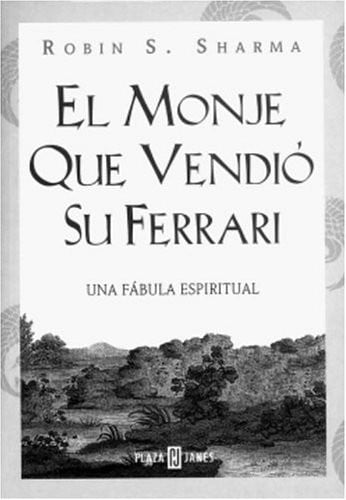
Go to My LibraryEl monje que vendió su Ferrari
- Language
- Spanish
- Published in
- Publisher
- Debolsillo
- Pages
- 209
- ISBN
- 9788499087122
In an ancient culture, Julian discovers powerful, practical lessons from the Sages of Sivana for unlocking the potential of his mind, body, and soul. Upon his return, he shares this newfound wisdom, offering a step-by-step approach to cultivating joy, self-discipline, and courage, while emphasizing the importance of time management and nurturing relationships. This fable provides insights and guidance for living a more purposeful, balanced, and fulfilling life.
Subjects
Original edition details
Other editions (45)
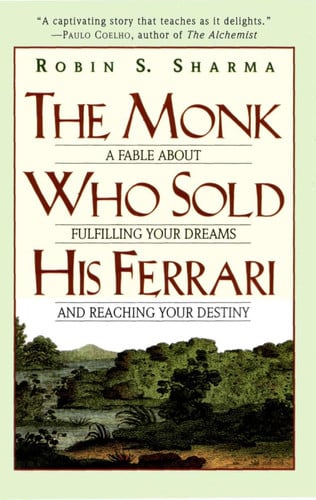
The Monk Who Sold His Ferrari A Fable About Fulfilling Your Dreams & Reaching Your Destiny
1999 • Harper Collins
English

El monje que vendió su Ferrari: Una fábula espiritual / The Monk Who Sold His Ferrari: A Spiritual Fable About Fulfilling Your Dreams & Reaching Your Destiny
2019 • National Geographic Books
Spanish
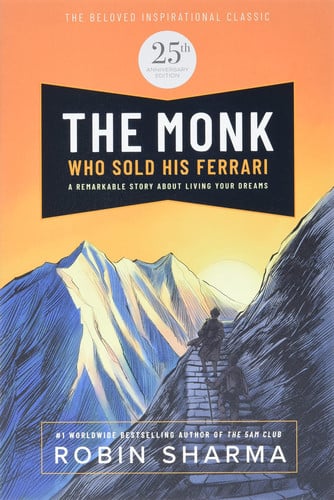
The Monk Who Sold His Ferrari: Special 25th Anniversary Edition
2021 • HarperCollins
English
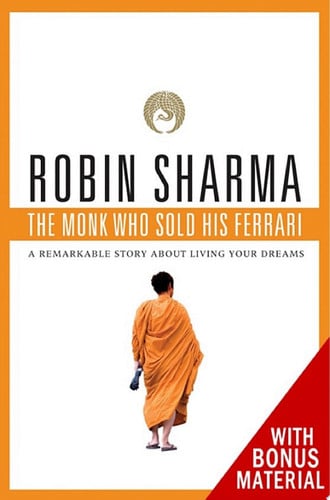
The Monk Who Sold His Ferrari, Special 15th Anniversary Edition
2011 • HarperCollins Canada
English
The Monk Who Sold His Ferrari: Special 25th Anniversary Edition
2021 • HarperCollins
English
Other editions
The Monk Who Sold His Ferrari A Fable About Fulfilling Your Dreams & Reaching Your Destiny
1999 • Harper Collins
English
El monje que vendió su Ferrari: Una fábula espiritual / The Monk Who Sold His Ferrari: A Spiritual Fable About Fulfilling Your Dreams & Reaching Your Destiny
2019 • National Geographic Books
Spanish
The Monk Who Sold His Ferrari: Special 25th Anniversary Edition
2021 • HarperCollins
English
The Monk Who Sold His Ferrari, Special 15th Anniversary Edition
2011 • HarperCollins Canada
English
The Monk Who Sold His Ferrari: Special 25th Anniversary Edition
2021 • HarperCollins
English

Monk Who Sold His Ferrari
1998 • HarperCollins Publishers
English

The Monk Who Sold His Ferrari: A Fable About Fulfilling Your Dreams & Reaching Your Destiny
2003 • Jaico Publishing House
English
El Monje Que Vendió Su Ferarri Una Fábula Espiritual
2010 • Vintage Español
Spanish

The Monk who Sold His Ferrari A Spiritual Fable about Fulfilling Your Dreams and Reaching Your Destiny
2009 • Harper Element
English
Monk Who Sold His Ferrari, The (The Monk Who Sold His Ferrari)
2017 • Bolinda Audio
English

The Monk Who Sold His Ferrari (Bengali)
2007 • Jaico Publishing House
English

The Monk Who Sold his Ferrari
2012 • HarperCollins Publishers
English
El monje que vendió su Ferrari
2004 • GRIJALBO
Spanish

The Monk Who Sold His Ferrari A Spiritual Fable about Fulfilling Your Dreams and Reaching Your Destiny
1996 • Robin Shilp Sharma
English

The Monk who Sold His Ferrari A Spiritual Fable about Fulfilling Your Dreams and Reaching Your Destiny
2004 • Element
English
El monje que vendió su Ferrari una fábula espiritual
2011 • De Bolsillo
Spanish
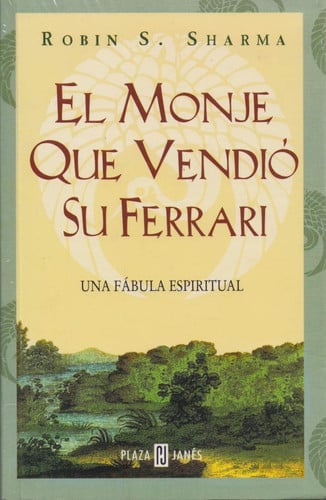
El monje que vendio su ferrari
2003 • Plaza & Lanes Editores
Spanish

El monje que vendió su Ferrari
2010 • DEBOLSILLO
Spanish
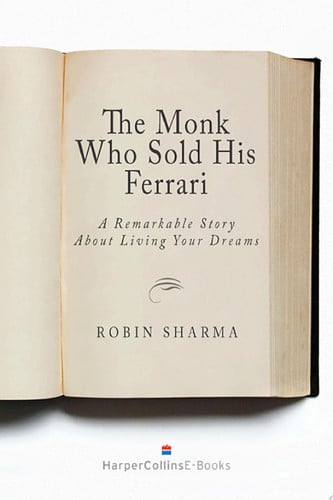
The Monk Who Sold His Ferrari A Remarkable Story About Living Your Dreams
2011 • HarperCollins Canada
English

Der Mönch, der seinen Ferrari verkaufte eine Parabel vom Glück
2019 • Knaur. Leben
German

Le moine qui vendit sa Ferrari : une fable spirituelle pour réaliser vos rêves et accomplir votre destinée
1999 • Un monde différent Itée
French
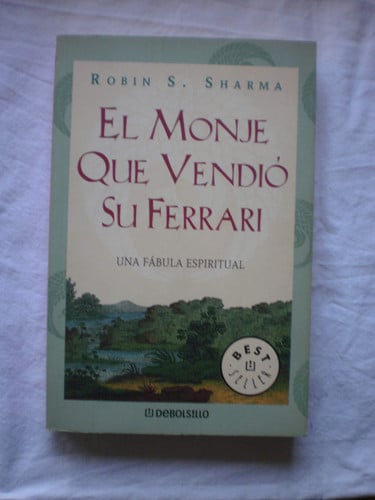
El Monje Que Vendio Su Ferrari
2003 • Random House Mondadori
Spanish

El Monje Que Vendió Su Ferrari (edición Limitada) / the Monk Who Sold His Ferrari
2024 • Penguin Random House Grupo Editorial
Spanish
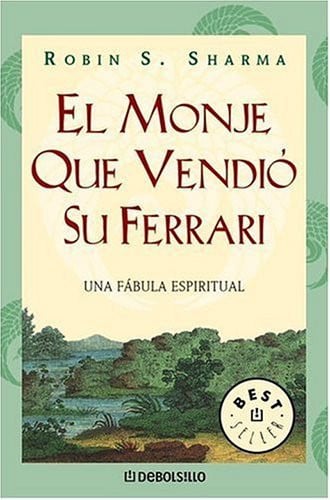
El Monje Que Vendio Su Ferrari
2005 • Random House Mondadori
Spanish

El Monje Que Vendio Su Ferrari/ the Monk Who Sold His Ferrari: Una Fabula Espiritual (Spanish Edition)
2004 • Audiocoleccion
Spanish

MONJE QUE VENDIO SU FERRARI, EL (Spanish Edition)
2010 • DEBOLS LLO
Spanish

Family Wisdom from the Monk Who Sold His Ferrari Restoring Spirit at Home
2000 • HarperCollins Publishers
English
Der Mönch, der seinen Ferrari verkaufte eine Parabel vom Glück
2008 • Knaur-Taschenbuch
German
Der Mönch, der seinen Ferrari verkaufte eine Parabel vom Glück
1999 • Pattloch
German
Le moine qui vendit sa Ferrari
2005 • J'ai lu
French
Monje Que Vendio Su Ferrari (Spanish Edition)
2004 • Plaza y Janes
Spanish

Monk Who Sold His Ferrari
1997 • HarperCollins Publishers Limited
English

Le moine qui vendit sa Ferrari une fable spirituelle pour réaliser vos rêves et accomplir votre destinée
1999 • Un monde différent Itée
French

El monje que vendió su Ferrari
2012 • GRIJALBO
Spanish

El monjo que es va vendre el Ferrari
2019 • Labutxaca
Catalan

El monje que vendió su Ferrari
2018 • Debolsillo
Spanish

El monje que vendió su Ferrari
2020 • Debolsillo
Spanish

Der Mönch, der seine Ferrari verkaufte eine Parabel vom Glück
1999 • Knaur
German

El monje que vendió su Ferrari una historia excepcional sobre cómo vivir tus sueños
2022 • Debolsillo
Spanish
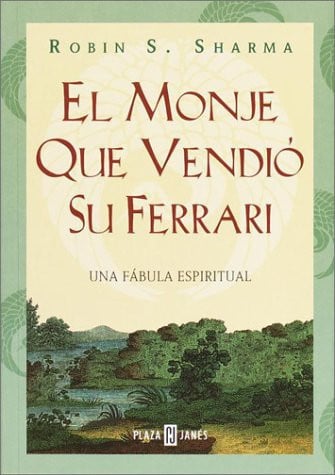
El Monje Que Vendio Su Ferrari
2000 • Plaza & Janés
Spanish
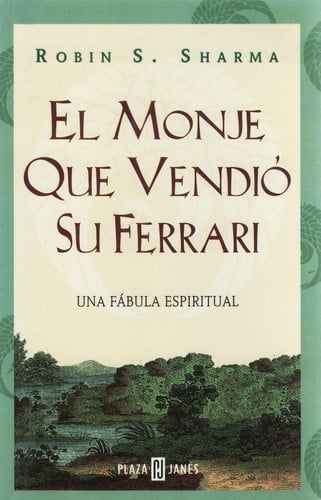
El monje que vendió su Ferrari
2002 • Plaza & Janes Editores de Colombia, S.A.
Spanish
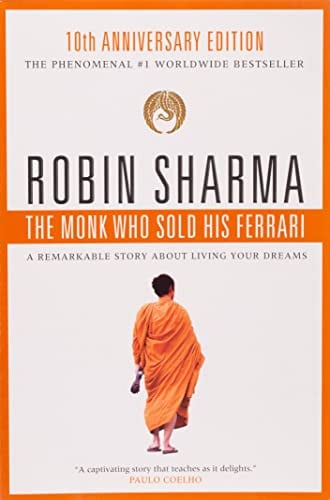
The Monk Who Sold His Ferrari
2007 • HarperCollins
English
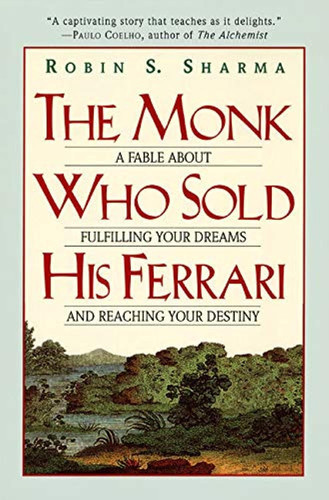
Monk Who Sold His Ferrari
2006 • HarperCollins
English

Kaludjer koji je prodao svoj ferari
2009 • Mono & Manjana
Serbian
El Monje Que Vendio Su Ferrari
2002 • Plaza & Janes Editories, S.A.
Spanish
Then came the shattering moment: a massive heart attack, striking him down in the middle of a packed courtroom. This near-death experience served as a brutal awakening, forcing Julian to confront the hollowness of his existence. He realized that all his worldly possessions, his fame, his power, could not save him from the precipice of his own making. In a dramatic act of relinquishment, he sold everything - his mansion, his luxury items, and even his beloved Ferrari - and vanished, embarking on a solitary quest for meaning and enlightenment.
His journey led him far from the bustling courtrooms, deep into the mystical Himalayas of India. There, after months of wandering, he discovered the fabled Sages of Sivana, an ancient order of monks whose lives were imbued with profound wisdom and an almost superhuman vitality. Among them, he found his mentor, the wise Yogi Raman, who took Julian under his wing. Julian, once a cynical lawyer, became a humble student, eager to absorb the timeless philosophies that promised not just longevity, but a life rich with purpose and joy.
Yogi Raman began to unveil the Seven Timeless Virtues of Enlightened Living through a captivating fable. He spoke of a magnificent garden, a symbol for the mind, which must be diligently tended, weeding out negative thoughts and cultivating positive ones, for a healthy outer life can only spring from a healthy inner garden. Next, a towering lighthouse emerged in the tale, representing one's life purpose. Just as a lighthouse guides ships, a clear, unwavering purpose illuminates one's path, preventing distraction and ensuring that all energies are directed towards meaningful goals.
The fable continued with a colossal sumo wrestler, a vivid representation of Kaizen, the principle of continuous improvement. The wrestler, though strong, wore only a pink wire cable, symbolizing the power of discipline. Each small, consistent act of courage and self-mastery, like the individual strands of the cable, weaves an unbreakable strength. A glittering gold stopwatch then appeared, a stark reminder of the preciousness of time, urging one to use it wisely, prioritizing what truly matters and guarding against its wasteful dissipation.
As the sumo wrestler stumbled, he was revived by the sweet fragrance of yellow roses, a potent symbol for the virtue of selflessly serving others. Julian learned that true fulfillment blossoms not from endless self-focus, but from acts of kindness, generosity, and contribution to the greater good. The quality of one's life, Yogi Raman emphasized, is inextricably linked to the quality of one's contributions. Finally, the wrestler rose and walked along a path paved with sparkling diamonds, representing the importance of embracing the present moment. The past is gone, the future uncertain; only the "now" is real, a gift to be savored fully and with intention.
Julian Mantle, once a shadow of his former self, returned from the Himalayas utterly transformed. His face, once etched with stress, now radiated a youthful serenity, his eyes sparkling with a profound inner peace. He sought out his former colleague, John, the narrator of this remarkable tale, eager to share the profound wisdom he had uncovered. Through their conversations, Julian meticulously passed on the ancient rituals and philosophies, urging John to embark on his own journey of self-discovery. He emphasized that true wealth lies not in material possessions, but in the cultivation of one's mind, the pursuit of purpose, the practice of discipline, the wise use of time, selfless service, and the joyous embrace of each present moment.
No discussions yet for this book.
Delete Discussion
Are you sure you want to delete this discussion? This action cannot be undone.
Rating Sources
Reviews for the book highlight several positive aspects that resonate with a particular segment of readers. Many found the core message inspiring and motivational, describing it as a life-changing read that provides valuable direction, especially during challenging times. Readers appreciated the book's ability to simplify complex spiritual concepts, presenting them in an accessible manner without resorting to overly convoluted language. The book is seen as an excellent entry point for those new to personal development, offering practical advice and fostering positive thinking, self-control, and the pursuit of a more meaningful life. Its story format, despite criticisms, was effective for some in making the teachings memorable and engaging, leading to a sense of renewed energy and purpose.
However, the reviews also reveal significant criticisms, primarily concerning the book's structure, writing quality, and originality. A recurring complaint is the format, which many found to be a thinly veiled series of monologues rather than a genuine narrative, with one character largely lecturing another who is perceived as overly naive and unquestioning. This dialogue-heavy approach, combined with what some describe as clichéd and recycled self-help ideas - such as positive thinking, meditation, and goal prioritization - led to the book being labeled as unoriginal and boring. Critics frequently pointed out the unrealistic premise and character interactions, finding the fable element simplistic and poorly executed. The writing itself was often described as mediocre, even "awful," with issues like excessive adjective use and condescending tones further detracting from the reading experience for many.
In conclusion, "The Monk Who Sold His Ferrari" appears to be a polarizing book. It is best suited for readers who are new to the self-help genre and are looking for an accessible, motivating introduction to spiritual and personal development concepts, presented in a story-like format. Those who prioritize a clear, uplifting message over literary merit and narrative complexity are likely to find it inspiring. Conversely, readers seeking deep philosophical insights, original ideas, sophisticated storytelling, or robust factual support may find the book simplistic, repetitive, and poorly written, potentially leading to disappointment.
No reviews yet. Be the first to review this book!
Delete Review
Are you sure you want to delete this review? This action cannot be undone.