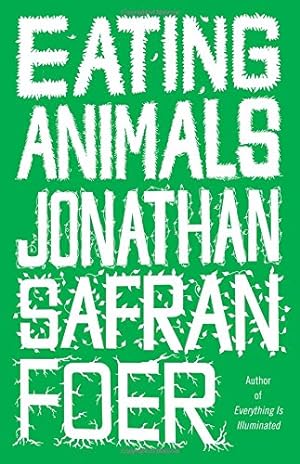
Faut-il manger les animaux ?
- First published 2009
- 362 pages
- French
As Jonathan Safran Foer prepared for fatherhood, a fundamental question about the food on his family's table led him on an extensive investigation into the origins of what we eat. This inquiry began with a personal desire to understand the moral implications of consuming animals and evolved into a journey through the complex world of industrialized agriculture.
Eating Animals combines memoir with investigative reporting, exploring the ethical treatment of animals, the environmental impact of factory farming, and the health concerns tied to modern meat production. Foer delves into the realities often obscured by the food industry, challenging readers to confront the stories behind their meals and consider the far-reaching consequences of their dietary decisions. The book prompts a re-evaluation of our relationship with food, urging a deeper awareness of the systems that bring it to our plates.
Eating Animals combines memoir with investigative reporting, exploring the ethical treatment of animals, the environmental impact of factory farming, and the health concerns tied to modern meat production. Foer delves into the realities often obscured by the food industry, challenging readers to confront the stories behind their meals and consider the far-reaching consequences of their dietary decisions. The book prompts a re-evaluation of our relationship with food, urging a deeper awareness of the systems that bring it to our plates.
What readers say
4.21
82K ratings across the web 8 in 10 readers loved it, 1 didn't like it
Readers frequently praise this book as essential and life-changing, highlighting its profound impact on their perspective regarding food choices. Many describe it as an eye-opening and educational experience, revealing shocking truths about modern food production that compel them to make more informed decisions. Reviewers commend the author's balanced, non-preachy, and empathetic approach, noting that the book presents facts from various perspectives without being judgmental or attacking meat-eaters. Its thoughtful, philosophical, and impeccably researched content, often delivered with an engaging and personal narrative style, makes a complex and sensitive topic accessible and compelling, exploring ethical, environmental, and health dimensions.
However, the book's content is consistently described as incredibly disturbing and upsetting, with some readers having to pause or put it down due to the graphic nature of the descriptions. A few reviewers found the organization less than perfect or the narrative shifts somewhat confusing, with one noting a style more akin to video transcripts than a philosophical inquiry. Some long-time vegetarians or vegans felt the book did not go far enough in promoting plant-based diets or dedicated too much space to perspectives that might inadvertently validate current practices. Additionally, the sheer scale of the issues presented can leave readers feeling overwhelmed or that individual actions might be insufficient.
Overall, the book is considered a highly important work that effectively strips away ignorance, prompting a profound re-evaluation of one's relationship with food. It is strongly recommended for anyone who consumes animal products, especially those who prefer not to confront the realities of where their food comes from. The book appeals to readers curious about the ethical, environmental, and health implications of modern agriculture and those seeking to make more conscious, responsible choices. It is particularly impactful for individuals not already committed to vegetarianism or veganism, as it encourages a personal journey toward greater awareness and alignment between beliefs and actions.
Reviews
No reviews yet. Be the first.
Details & editions
- This edition
- L'Olivier, 2011
- ISBN
- 9782879297095
- Language
- French
Original edition Eating Animals Originally published in 2009 · English · Recorded Books, Inc. and Blackstone Publishing