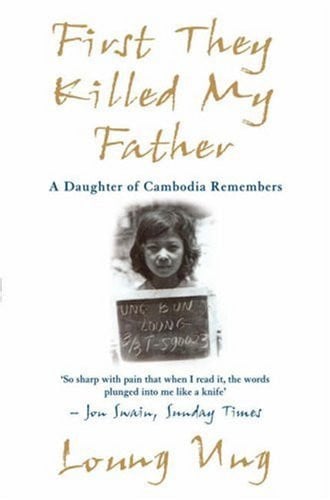
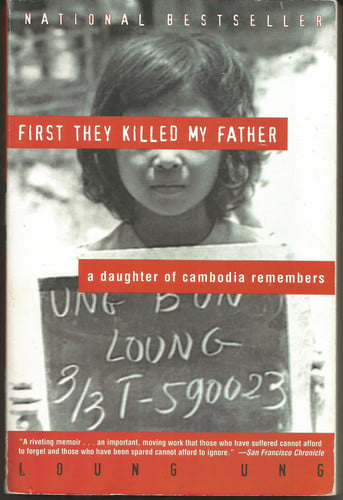
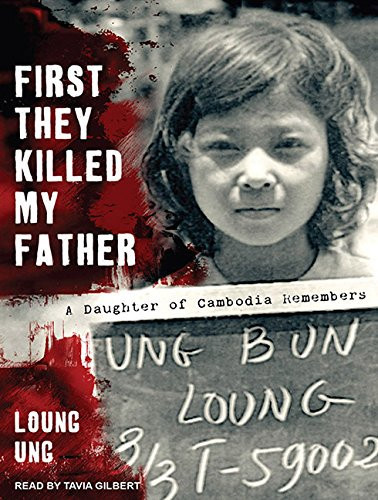
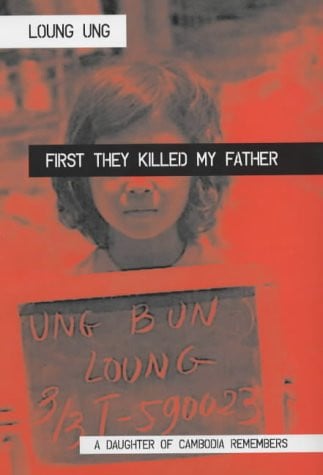
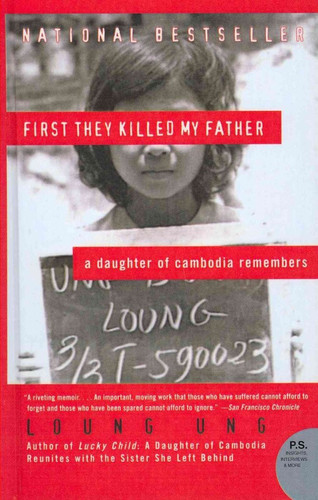
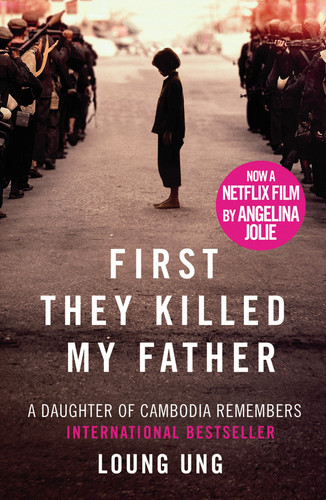
The vibrant, bustling streets of Phnom Penh, filled with the aroma of fried crickets and the joyous clamor of family, were the world of five-year-old Loung Ung. Her father, a high-ranking government official, provided a comfortable, privileged life for his seven children, a world of movies and delicious food. But in April 1975, this world shattered. The Khmer Rouge army, silent and menacing, stormed into the city, marking the end of innocence and the beginning of a relentless nightmare for countless Cambodian families, including Loung's.
Forced to abandon their home and all vestiges of their former life, the Ung family joined the throngs of evacuees, fleeing into an unknown, treacherous future. They shed their identities, pretending to be simple peasants to avoid the brutal persecution aimed at intellectuals and anyone associated with the previous government. Their journey was a grueling trek, leading them from village to village, unwelcome and constantly in fear of exposure.
Eventually, they settled in a labor camp called Ro Leap, where the illusion of equality quickly dissolved into a harsh reality of forced labor, near-starvation, and disease. Loung, accustomed to a life of comfort, now faced endless days of backbreaking work in the fields, her small body constantly aching with hunger. The Khmer Rouge, under Pol Pot's leadership, systematically dismantled Cambodian society, separating families and instilling a pervasive fear that touched every aspect of daily life.
The family's bonds were tested as the regime's grip tightened. Loung's older sister, Keav, was taken away to a work camp for teenage girls, only to succumb to illness and the brutal conditions months later. Then, in a moment that would forever scar Loung's memory, her beloved father was taken by Khmer Rouge soldiers, vanishing into the night, his fate tragically clear. The loss of her father, a constant source of guidance and support, left an indelible void, deepening Loung's understanding of the terror that enveloped their nation.
To increase their chances of survival, the family made the agonizing decision to disperse further. Loung was sent to a camp for orphans, where she was trained as a child soldier, learning to fight and kill, her young mind grappling with the horrifying transformation from child to instrument of war. She witnessed unspeakable cruelties, the constant threat of violence shaping her understanding of the world. Her youngest sister, Geak, grew increasingly frail, a heartbreaking testament to the starvation that plagued them.
After the Vietnamese invasion eventually overthrew the Khmer Rouge, Loung and her surviving siblings began a slow, arduous journey toward reunification. The war-torn landscape was still fraught with danger, and the emotional scars ran deep. Loung, along with her brother Meng, eventually made the difficult decision to seek refuge in the United States, a chance at a new life far from the horrors they had endured.
Their journey to America was another odyssey, filled with challenges of displacement, racism, and cultural barriers. Yet, through it all, the resilience of the human spirit and the unbreakable bonds of family, though shattered and scattered, continued to offer a glimmer of hope. Loung's story became a testament to survival, a powerful remembrance of the two million Cambodians who perished, and a fierce determination to ensure that such atrocities are never forgotten.