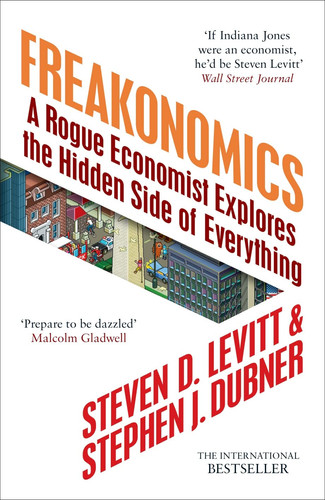
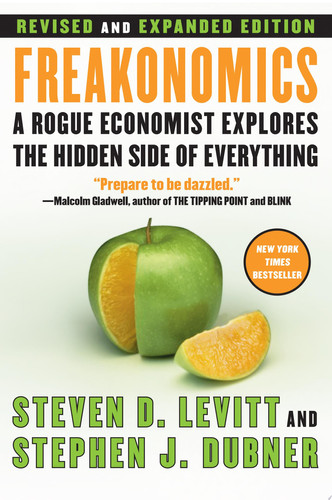
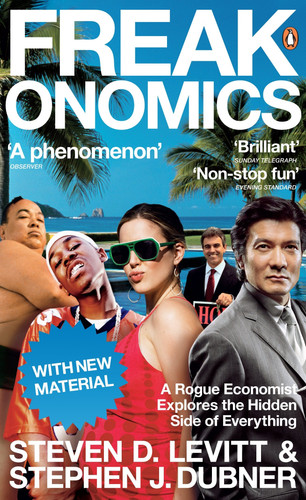
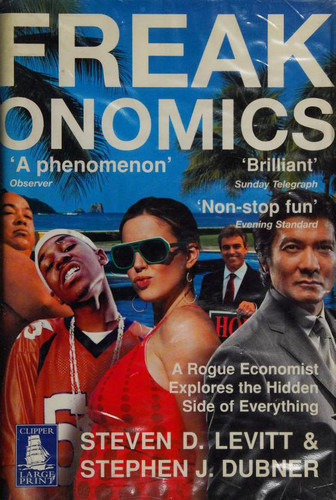
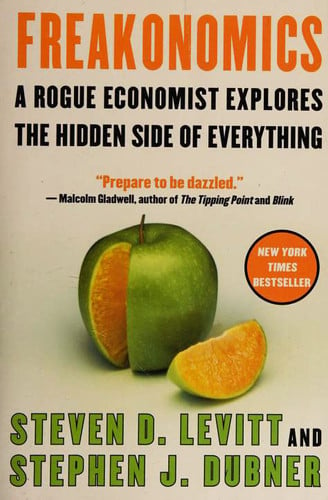
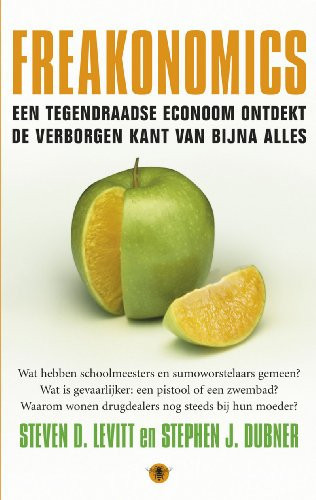
Step into a world where the familiar is made strange, and the obvious is revealed as a carefully constructed illusion. Here, the hidden architecture of everyday life is laid bare, demonstrating that the conventional wisdom often misses the underlying currents that truly shape human behavior. Forget the intricate models and arcane theories; this is economics as a lens for seeing the world as it actually operates, not as we wish it would. At its heart lies the powerful concept of incentives - those subtle, and sometimes not-so-subtle, nudges that compel people to act, to cheat, to strive, or to surrender.
Consider the startling commonalities between seemingly disparate groups, like schoolteachers and sumo wrestlers. You might think integrity is a given in both professions, yet a closer look at the data reveals patterns of cheating. Teachers, under pressure to improve student test scores, sometimes manipulate answers, a phenomenon detectable through anomalies in multiple-choice responses. Similarly, in the cloistered world of sumo, wrestlers nearing the cut-off for demotion often face opponents who have already secured their winning record. Statistical analysis of these end-of-tournament matches suggests a disturbing number of bouts are thrown, revealing that even in a sport steeped in honor, the incentive of maintaining one's rank can outweigh moral rectitude.
The power of information, or its asymmetry, is another profound force at play. Imagine the Ku Klux Klan, a once-secretive organization that thrived on fear and intimidation. Its power was rooted in its hidden rituals and veiled threats. Yet, when one clever individual began to systematically expose their secret codes, initiation rites, and even the identities of its members on a radio show, the Klan's mystique - and its power - began to crumble. Information, once exclusive, became a weapon against them. This same principle extends to the seemingly innocuous world of real estate. Real estate agents, armed with superior knowledge of the market, often prioritize their own financial gain, selling their clients' homes faster and for less than they might if they were selling their own property.
Then there's the surprising economics of the drug trade. Popular culture often paints a picture of lavishly wealthy drug kingpins. However, a deep dive into the financial records of a crack cocaine gang in Chicago reveals a starkly different reality. The vast majority of street-level dealers, the foot soldiers risking their lives daily, earn shockingly little - often less than minimum wage. Their existence is precarious, marked by long hours and constant danger, while only a tiny fraction at the very top of the hierarchical structure reap substantial profits. It's a corporate structure, in essence, with the same steep pyramid of rewards, where the dream of striking it rich keeps countless low-level workers toiling for meager returns.
Even the anxieties of parenting and the elusive quest for the "perfect child" fall under this analytical gaze. Many parents obsess over countless decisions, from reading to their children daily to enrolling them in every conceivable enrichment activity. Yet, when the data is scrutinized, it suggests that many of these frantic efforts have far less impact on a child's eventual success than parents imagine. What truly correlates with positive outcomes are factors related to who the parents *are* - their education levels, their income, their inherent stability - rather than the specific actions they *do* in a desperate attempt to engineer brilliance. It's a sobering thought, suggesting that the most influential aspects of parenting often precede conscious effort.
Ultimately, this exploration challenges us to question the narratives we've inherited, the "conventional wisdom" that often serves to comfort rather than to illuminate. It encourages a skeptical eye toward experts who might exploit informational advantages and a keen appreciation for the power of incentives - economic, social, and moral - in shaping every facet of human existence. By peeling back the layers of complexity and deceit, a clearer, more intriguing, and often counterintuitive understanding of the modern world emerges, revealing the hidden side of everything.



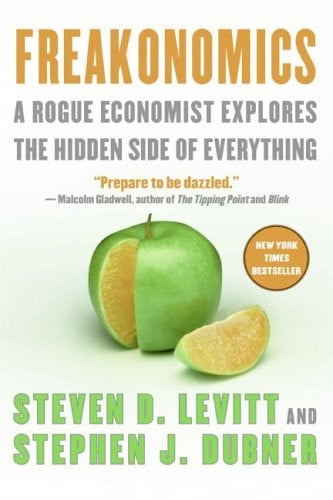


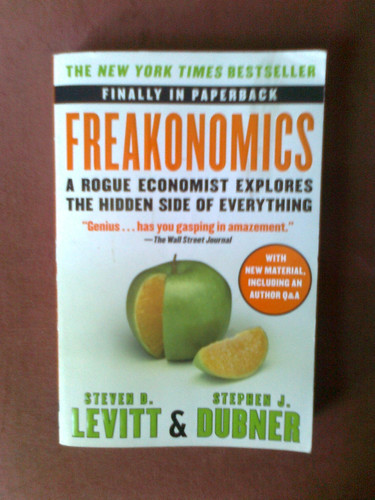
![Freakonomics: A Rogue Economist Explores the Hidden Side of Everything [Paperback] [Jan 01, 2013] Levitt, Steven D.](https://images.isbndb.com/covers/4330893482210.jpg)