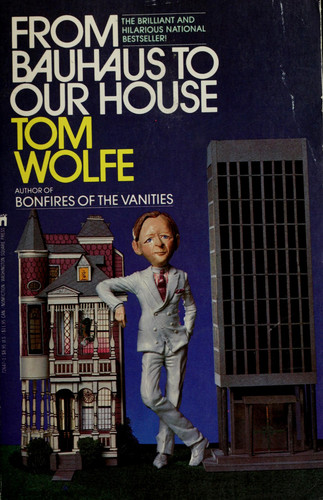
Positives Tom Wolfe's book is widely celebrated for its distinctive, energetic, and often hilarious writing style, which reviewers describe as opinionated, caustic, and irreverent. Readers consistently praise his mastery of "snark" and witty put-downs, making even complex architectural philosophies accessible and entertaining. Many found the book a laugh-out-loud experience, appreciating how Wolfe doesn't hold back in his critique. The book is lauded for offering an insightful, albeit polemical, account of how modern architecture developed and became dominant, prompting readers to reconsider their views on the built environment. Its engaging prose and vibrant narrative make it a memorable and enjoyable read, even for those new to the subject.
Negatives Despite its entertainment value, the book faces criticism for its highly opinionated and uncompromisingly negative stance on modern architecture, with reviewers noting a lack of nuance or acknowledgment of any positive aspects. Some feel the book reads more like a "screed" or "demolition job" than a balanced critical history. Concerns are raised about the book's academic rigor, including an absence of footnotes or cited sources, and several reviewers question Wolfe's depth of knowledge on architectural history and theory, citing factual errors and misinterpretations of key figures or movements. For some, the arguments feel overly simplistic, dated, or too focused on assigning blame, particularly in its analysis of the social and urban planning failures associated with certain architectural projects.
Conclusion Ultimately, "From Bauhaus to Our House" stands as a highly readable and engaging work, though its critical reception is divided on its academic objectivity. It is particularly recommended for readers who appreciate Tom Wolfe's unique satirical and provocative writing style, and for those interested in a spirited, albeit one-sided, intellectual history of modern architecture. The book will especially resonate with individuals who share Wolfe's skepticism towards certain architectural movements and are seeking an entertaining challenge to conventional perspectives. It serves as an accessible introduction to the topic for laypersons, inviting them into a discussion about the aesthetics and philosophies behind the buildings that shape our world.