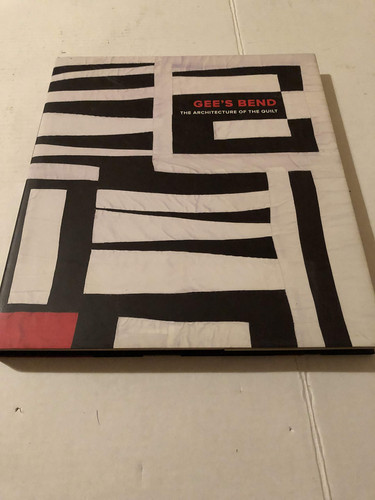
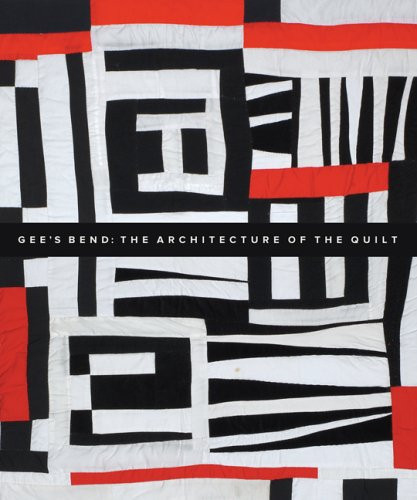
In the secluded hamlet of Gee's Bend, nestled within a horseshoe bend of the Alabama River, a profound artistic tradition blossomed, largely unseen by the wider world for generations. Here, in a place historically shaped by the echoes of slavery and the enduring struggles of sharecropping, women transformed necessity into extraordinary beauty. From the tattered remnants of worn-out clothing, feed sacks, and fabric scraps, they pieced together warmth for their families, creating quilts that defied conventional patterns and embraced a vibrant, improvisational geometry.
The lineage of these quiltmakers stretches back to the nineteenth century, their skills and artistic vision passed down through mothers and grandmothers, each stitch carrying the weight of history and the spirit of resilience. These were not merely blankets; they were canvases of survival, imbued with the stories of a community that, despite its isolation, possessed an unparalleled creative fire. The designs often emerged organically, guided by the available materials and an innate sense of balance and rhythm, resulting in bold, asymmetrical compositions that pulsed with life.
Imagine the quiet determination in their hands, the rhythmic pull of needle and thread as they crafted these masterpieces in their homes. Each quilt is a testament to individual ingenuity within a shared cultural heritage. You might see a "Housetop" pattern, where strips of fabric radiate outwards like the walls of a dwelling, or a "Blocks, Strips, Strings, and Half-Squares" design, each element contributing to a dynamic visual conversation. These were functional objects, born of a need to stave off the chill in unheated homes, yet they transcended their utilitarian purpose to become profound expressions of self and community.
For decades, these remarkable textile works remained a local treasure, known only to the families and neighbors of Gee's Bend. The outside world, if it considered Gee's Bend at all, saw only an impoverished, remote Black community in Alabama's Black Belt. Yet, within this isolation, a unique aesthetic language flourished, characterized by its daring use of color, unexpected juxtapositions, and a fearless embrace of imperfection that only enhanced their powerful visual appeal.
Then, a moment arrived when the veil of obscurity began to lift. A curious eye, drawn by the raw power and sophistication of these quilts, journeyed into Gee's Bend. What was discovered there was nothing short of miraculous: an entire tradition of art, alive and thriving, waiting to be shared. The quilts, once humble coverings, were recognized for their profound artistic merit, their abstract forms resonating with the very best of modern art.
This revelation brought the quilts of Gee's Bend to the forefront of the art world, sparking exhibitions that captivated audiences across the nation and beyond. Critics hailed them as some of the most important African American visual and cultural contributions to the history of art in the United States, works that combined deep ethnic heritage with compelling human stories. The vibrant textures and innovative designs, once simply a part of daily life, now stood as celebrated examples of American ingenuity and artistic genius, inviting all to witness the enduring spirit woven into every stitch.