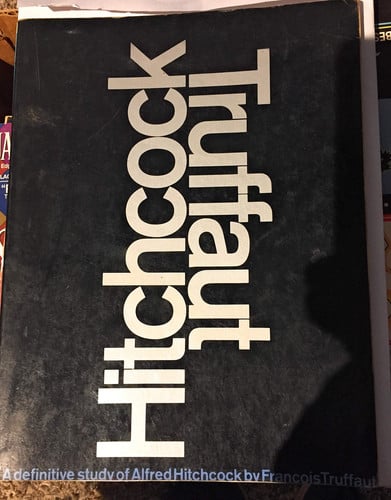
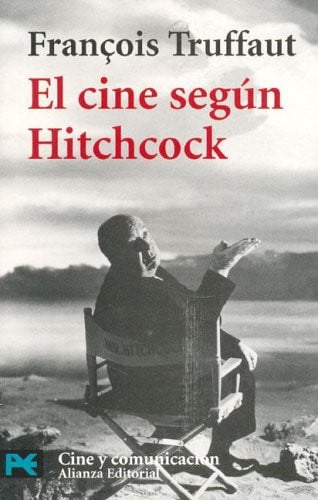
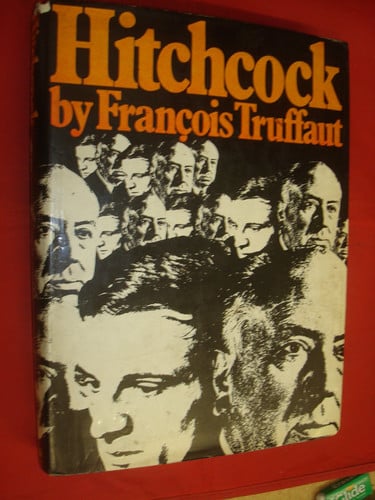
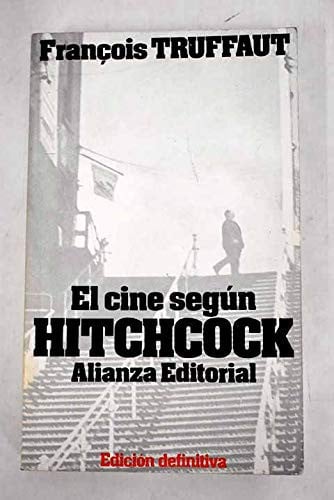
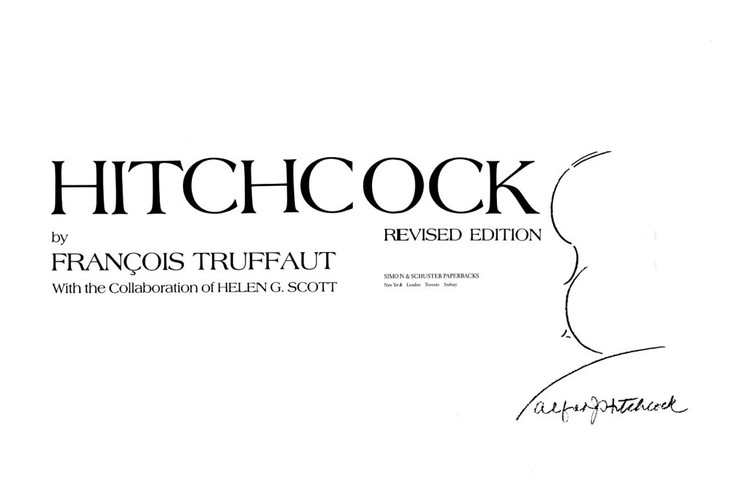
The conversation begins, a deep dive into the very genesis of a cinematic master, tracing the early stirrings of a singular vision from the quiet observations of a solitary childhood to the initial forays into the nascent world of film. One recounts a youth spent observing, absorbing, a mind already attuned to the intricacies of human behavior and the subtle mechanics of fear, a sensibility perhaps honed within the strictures of a Jesuit education where a moral fear of evil took root. The other, a fervent admirer, listens intently, guiding the journey through the silent era, where the young artist, still designing title cards, began to grasp the profound power of images to tell a story without a single spoken word.
The discussion then moves to the groundbreaking British period, where the foundations of a distinctive style were laid. The early works, often overlooked by many, are dissected with meticulous care, revealing the nascent development of suspense and the nascent understanding of how to manipulate an audience's emotions. There is a particular focus on films like "The Lodger," which the master himself considers his true debut, a pivotal moment where his unique approach to visual storytelling began to truly manifest. The transition to sound with "Blackmail" is explored, a testament to adaptability and an unwavering commitment to cinematic innovation even as the industry underwent a seismic shift.
As the narrative progresses, the focus shifts to the move to Hollywood, a new frontier where the artist found greater artistic control and a broader canvas for his ambitious visions. The conversations illuminate the development of key elements that would become synonymous with his name: the meticulous planning, the insistence on overseeing every aspect from script to soundtrack, and the profound belief in the primacy of the visual over dialogue. The concept of the "MacGuffin" is unveiled, not as a plot device to be understood logically, but as a crucial, seemingly vital element that drives the characters, yet remains ultimately inconsequential to the audience's emotional engagement.
The heart of the exchange often resides in the detailed deconstruction of iconic films, each one a masterclass in tension and psychological manipulation. We delve into the mechanics of "Rebecca," a Cinderella story imbued with a pervasive sense of dread, and the audacious single-take illusion of "Rope". The "spectacular comeback" of "Strangers on a Train" is celebrated, and the sophisticated cat-and-mouse game of "North by Northwest" is lauded as a summation of the American period. Each film serves as a springboard for deeper insights into the craft: the art of editing, the precision of casting, and the delicate balance required to evoke fear and anticipation.
The dialogue delves into the profound distinction between suspense and surprise, revealing how the former, built over time, creates a sustained emotional resonance, far more potent than the fleeting shock of the latter. The master explains his approach to stories, his unwavering focus on engaging the audience's emotions, and the deliberate manipulation of perspective to draw viewers into the characters' inner worlds. There are moments of startling honesty, assessments of both triumphs and perceived failures, doubts and hopes, offering a rare glimpse into the mind of a genius.
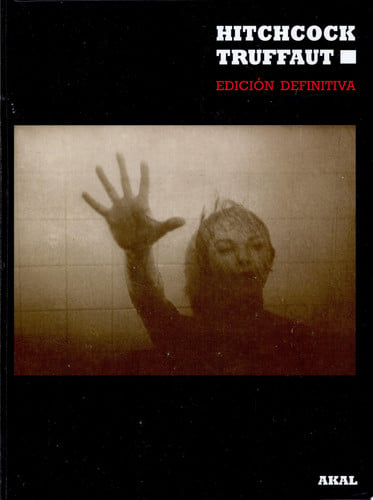
Later, the conversations inevitably turn to the masterpieces that cemented his legend, particularly "Psycho," a triumph of pure cinema that redefined the boundaries of horror, and "The Birds," where sound design becomes a character in itself, escalating the terror. The profound impact of "Vertigo," initially met with mixed reviews but later recognized as a towering achievement, is also explored, a film that one interpreter sees as a profound meditation on the act of watching cinema itself. These discussions reveal a director who was not merely entertaining, but profoundly philosophical in his cinematic approach, constantly pushing the boundaries of the medium to explore the darkest corners of human experience.