
Add to library
You don't have any lists yet. Create one in My Library.
Go to My LibraryAdd to library
You don't have any lists yet. Create one in My Library.
Go to My LibraryI Know why the Caged Bird Sings
- Language
- English
- Published in
- Publisher
- Hutchinson/Virago
- Pages
- 281
- ISBN
- 9780091824273
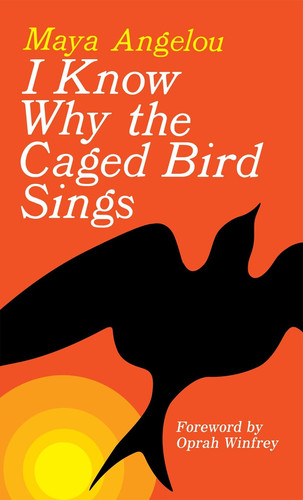
The book explores the journey from being a victim of trauma and bigotry to becoming a self-possessed, dignified young woman. It is an unflinching look at the quest for identity and independence amidst the harsh realities of a segregated America. Angelou's powerful and lyrical prose transforms a personal story of overcoming into a universally resonant work that speaks to the power of words, the importance of family, and the will to not only survive, but to sing.
Subjects
Original edition details
Other editions (45)
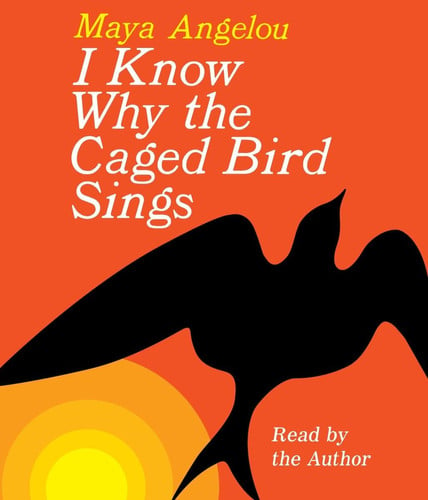
I Know Why the Caged Bird Sings
1996 • National Geographic Books
English

I Know Why the Caged Bird Sings
2009 • Random House Publishing Group
English
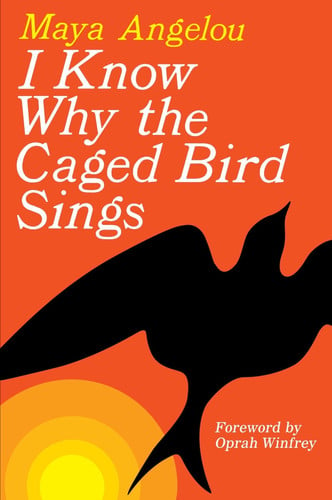
I Know Why the Caged Bird Sings
2009 • Random House Publishing Group
English

I Know Why the Caged Bird Sings
2009 • Random House Publishing Group
English
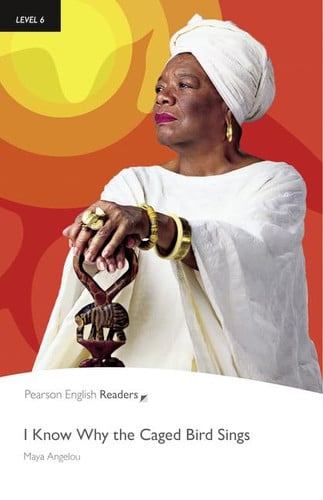
I Know why the Caged Bird Sings
2011 • Pearson Education Limited
English
Other editions
I Know Why the Caged Bird Sings
1996 • National Geographic Books
English
I Know Why the Caged Bird Sings
2009 • Random House Publishing Group
English
I Know Why the Caged Bird Sings
2009 • Random House Publishing Group
English
I Know Why the Caged Bird Sings
2009 • Random House Publishing Group
English
I Know why the Caged Bird Sings
2011 • Pearson Education Limited
English

I Know why the Caged Bird Sings
2015 • Virago
English
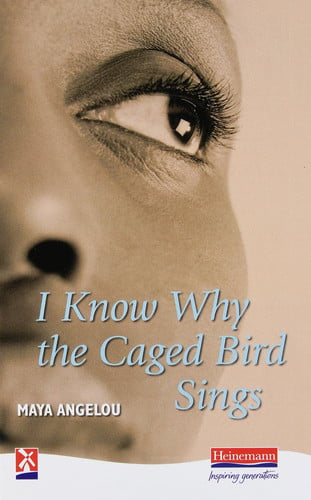
I Know why the Caged Bird Sings
1995 • Pearson Education
English

I Know Why the Caged Bird Sings
1994 • Random House Publishing Group
English

I Know Why the Caged Bird Sings
2024 • Virago Press (UK)
English

I Know Why the Caged Bird Sings
1970 • Random House
English

I Know Why the Caged Bird Sings
2009 • Random House, Incorporated
English

Cat's eye
1990 • Virago Press
English

Tôi biết tại sao chim trong lồng vẫn hót
2021 • Nhà xuất bản Văn Học
Vietnamese

Yo sé por qué canta el pájaro enjaulado
1993 • Editorial Lumen
Spanish

I Know Why the Caged Bird Sings
1982 • Ballantine Books
English
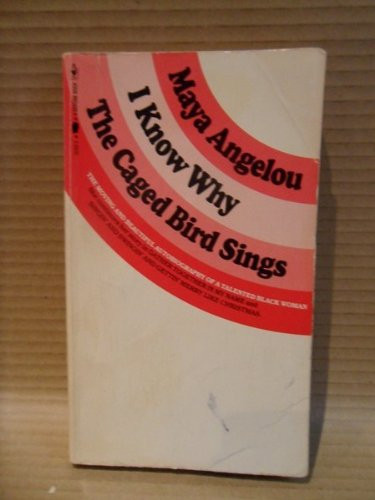
I Know Why The Caged Bird Sings
1978 • Bantam Books
English
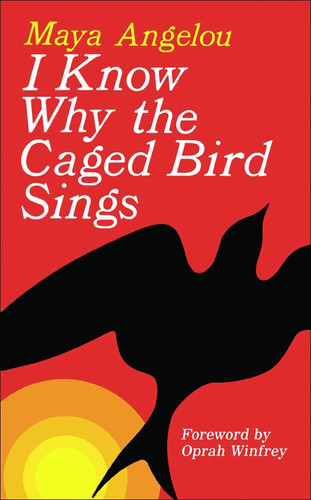
I Know Why The Caged Bird Sings (Turtleback School & Library Binding Edition)
2009 • Turtleback Books
English

I KNOW WHY THE CAGED BIRD SINGS.
2019 • VIRAGO Press Limited
English

I Know Why the Caged Bird Sings
1983 • Bantam
English
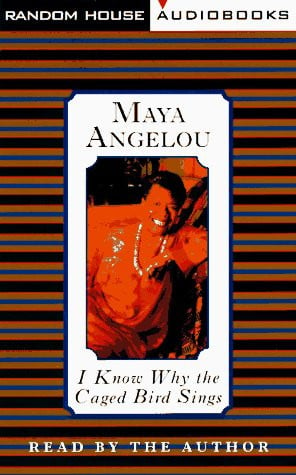
I Know Why the Caged Bird Sings
1986 • Random House Audio
English
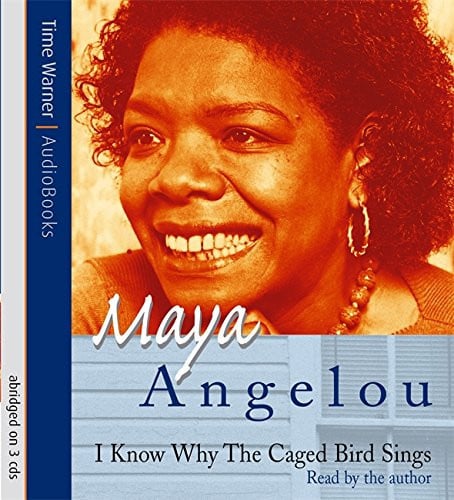
I Know Why The Caged Bird Sings
2006 • Time Warner AudioBooks
English
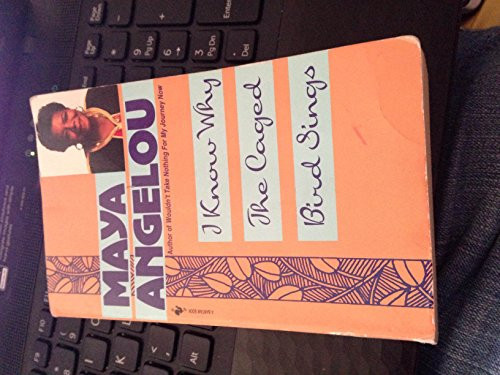
I Know Why the Caged Bird Sings
1993 • Bantam
English

I Know Why the Caged Bird Sings
1969 • Bantam Books
English

I Know Why The Caged Bird Sings The internationally bestselling classic
2010 • Little, Brown Book Group
English

I Know Why the Caged Bird Sings. (Lernmaterialien)
1991 • Klett
German

I Know Why the Caged Bird Sings
1993 • G K Hall & Co
English
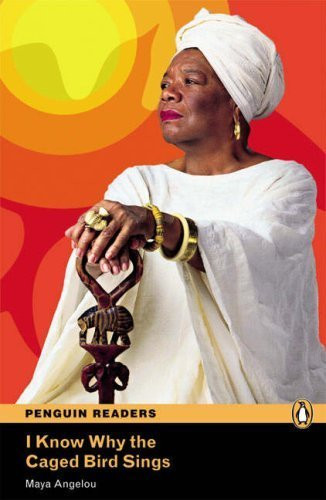
I Know Why Caged Bird Sings
1998 • Imprint unknown
English
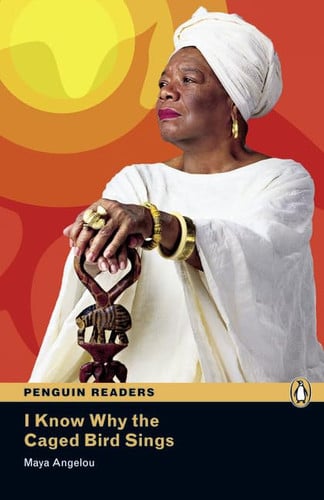
Level 6: I know Why the Caged Bird Sings (Pearson English Graded Readers)
2008 • Pearson Elt
English

I Know Why the Caged Bird Sings
1997 • Bantam
English

Eu sei por que o pássaro canta na gaiola
2018 • Astral Cultural
Portuguese

Kafesteki Kus Neden Sakir, Bilirim
2018 • Everest Yayınları
Turkish
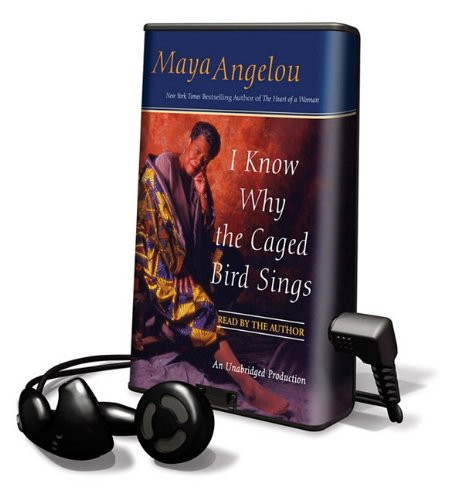
I Know Why the Caged Bird Sings: Library Edition
2011 • Random House
English

I Know Why the Caged Bird Sings
1978 • The Center for Literary Review, by the Current Affairs Films and Mark Twain Media
English
I Know Why the Caged Bird Sings
1983 • Virago
English
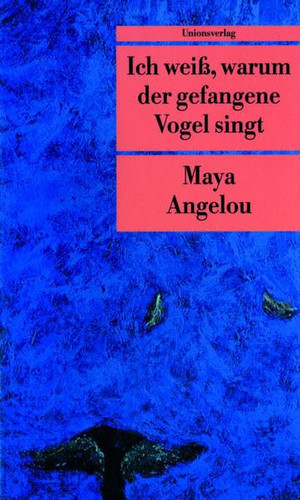
Ich weiß, warum der gefangene Vogel singt
2000 • Unionsverl.
German
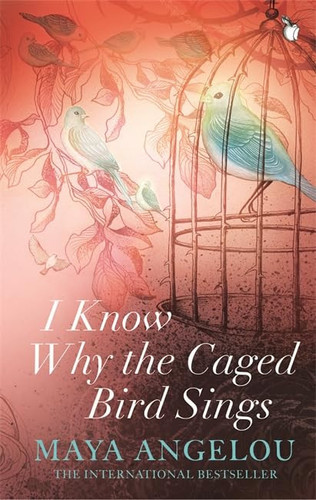
I Know Why The Caged Bird Sings (Virago Modern Classics)
2012 • Virago Press (UK)
English

I Know Why the Caged Bird Sings
1983 • Bantam Books
English

I Know Why the Caged Bird Sings
2002 • Little, Brown Book Group Limited
English

I Know Why the Caged Bird Sings
1987 • Random House Audio
English

I Know Why the Caged Bird Sings
2003 • Little, Brown Book Group Limited
English
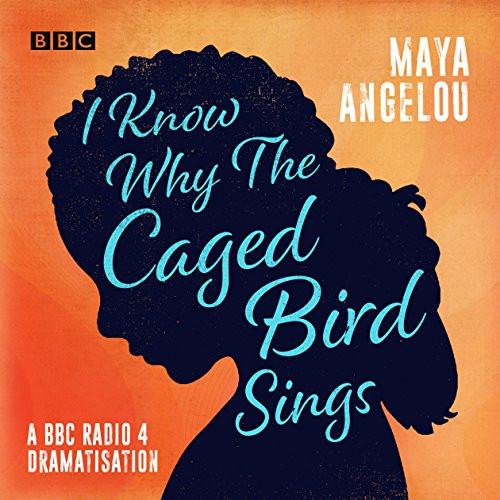
I Know Why the Caged Bird Sings A BBC Radio 4 Dramatisation
2018 • National Geographic Books
English
I Know Why the Caged Bird Sings
1971 • Bantam Books
English

I Know Why the Caged Bird Sings
1996 • Random House (a)
English

I Know Why the Caged Bird Sings
1996 • Random House
English

I Know Why the Caged Bird Sings
2002 • Little, Brown Book Group Limited
English
Bailey was the greatest person in my world. Where I was big, elbowy, and grating, he was small, graceful, and smooth. He was my kingdom come, my protector against the casual cruelties of a world that saw me as a “too-big Negro girl, with nappy black hair.” It was Bailey who understood my love for books, my escape into the worlds of Shakespeare and Kipling, and it was he who defended me from the pitying glances of our elders. And it was Uncle Willie, crippled since childhood, who sat like a giant black Z in his chair, hearing our times tables. I only saw him pretend to be whole once, for a pair of strangers, standing erect and hiding his cane. In that moment, watching him lurch back to his support like a man climbing out of a dream, I understood his burden and loved him more than ever.
One day our father, a handsome, booming stranger who sprinkled his sentences with “er” and “errer,” appeared in a clean gray car and swept us away to St. Louis. There, I met my mother, a woman whose beauty was a force of nature. “To describe my mother,” I thought, “would be to write about a hurricane in its perfect power.” Bailey fell instantly and forever in love. I was simply struck dumb; I knew at once why she had sent me away - she was too beautiful to have children. We moved in with her and her boyfriend, Mr. Freeman, a large, quiet man who waited for her with a deep, consuming stillness. In the night, when my nightmares were bad, I would be taken to sleep in their bed. One morning, after Mother had left early, I awoke to a strange pressure on my leg. It was Mr. Freeman. He didn't hurt me, not then, but he warned me, “If you ever tell anybody what we did, I'll have to kill Bailey.”
What we had done was a secret I couldn't understand, a weight I carried alone. Then one Saturday, he sent me for milk and when I returned, he was waiting. There was no gentleness this time, only a breaking and entering when even the senses are torn apart. The pain was immense, but worse was the silence that followed. I became sick with a fever, and one day, as Bailey changed my sweat-soaked sheets, the blood-stained panties I had hidden fell at Mother's feet. In the hospital, Bailey promised me that Mr. Freeman couldn't kill him, that he wouldn't let him. So I told him. A few days later, after a trial where the lie I told lumped in my throat, Mr. Freeman was found dead, kicked to death behind the slaughterhouse. I was sure a man was dead because I had spoken. My words were poison. I decided that the only way to keep the world safe was to stop talking.
Sent back to the barren quiet of Stamps, I crept into a cocoon of silence. For nearly a year, I moved through the world like an old biscuit, dirty and inedible. Then I met Mrs. Bertha Flowers, the aristocrat of Black Stamps, a gentlewoman who threw me my first life line. She invited me to her home, a place that smelled of vanilla, and served me tea cookies and lemonade. “Words mean more than what is set down on paper,” she told me, her voice infusing them with shades of deeper meaning. “It takes the human voice to infuse them.” She read to me from *A Tale of Two Cities*, and I heard poetry for the first time in my life. She gave me books and made me read them aloud, and slowly, I began to speak again. I was liked, and what a difference it made.
Life in Stamps was a pendulum swinging between the soul-deep joy of our community and the constant, grinding pressure of segregation. We were all gathered in the Store one night, listening to the Joe Louis fight on the radio. When the Brown Bomber was knocked against the ropes, my race groaned. It was our people falling, another lynching, another Black man hanging on a tree. But when he rose, and the announcer's voice finally washed over us - “The winnah, and still heavyweight champeen of the world… Joe Louis” - we were the strongest people in the world. Yet that pride was always fragile. A few years later, at my eighth-grade graduation, a white speaker told our class that the most we could hope for was to be maids, farmers, and mechanics. The dead words fell like bricks in the auditorium until our valedictorian, Henry Reed, turned to us and began to sing, “Lift ev'ry voice and sing…” We all stood, our voices joining in the hymn of our survival, and we were on top again.
Mother sent for us, and we moved to the wartime boomtown of San Francisco, a city that felt like a state of beauty and freedom. But the world was changing, and so were we. I spent a strange summer with my father in Southern California, where a fight with his girlfriend left me with a knife wound in my side. I ran away, living for a month in a junkyard with a band of homeless children - white, Black, and Mexican - who taught me that I was not, after all, outside the pale of the human race. Back in San Francisco, I fought for and won a job as the first Black conductorette on the city's streetcars, swinging my money changer and calling out stops with a newfound authority.
I was growing up, but the path was a tightrope of youthful unknowing. Confused by my own awakening body and terrified I might be a lesbian, I decided I needed a boyfriend to clarify my position to the world. I orchestrated a clumsy, soulless encounter with a handsome neighborhood boy, an act of seduction that left me feeling only empty and unenlightened. Three weeks later, I discovered the world had ended, and I was the only person who knew it: I was pregnant.
I hid my secret for months, a quiet, guileless schoolgirl on the outside, a universe of fear on the inside. I graduated from high school, and only then did I confess to my family. There was no condemnation, only Mother's calm acceptance. “No use ruining three lives,” she said. After a short labor, my son was born, beautiful and totally mine. But I was afraid to touch him, terrified I might crush his fragile life. One night, Mother brought him to my bed. I lay stiff with fear, vowing not to sleep, but I drifted off. When she woke me, I saw that I had rolled onto my stomach, and under the tent of my arm, the baby slept peacefully, touching my side. “See,” she whispered, “you don't have to think about doing the right thing. If you're for the right thing, then you do it without thinking.”
No discussions yet for this book.
Delete Discussion
Are you sure you want to delete this discussion? This action cannot be undone.
Rating Sources
Readers widely praise this book as a powerful, stunning, and blazingly honest memoir. Many found the writing to be beautiful, lyrical, and eloquently expressed, even when describing life's ugliness. Reviewers consistently highlight the book's insight, compassion, and the author's immense courage in recounting challenging situations. It is celebrated for addressing significant issues such as racism, abuse, and the trials of growing up in a direct yet tasteful and vivid manner, without being gratuitous. The book is considered an important and groundbreaking work, particularly for its time, introducing readers to the realities of racial tensions in the American South. Its ability to make readers identify with the protagonist, fostering understanding of her experiences and emotions, is frequently lauded, emphasizing its appeal to our common humanity. The narrative is often described as gripping, inspiring, and a testament to resilience, often interspersed with wry humor and wit.
However, some reviewers expressed reservations regarding the book's impact and suitability for all audiences. A few felt that the casual tone sometimes diminished the emotional weight of profoundly distressing events. One reviewer found the narrative somewhat thin in places and noted a lack of the author's "adult wisdom," given that the memoir covers only her early years. The episodic structure was also mentioned as not working perfectly for some readers, and a few found certain sections to be slow or less engaging. The most significant point of contention revolves around the explicit descriptions of sexual abuse, leading some parents to strongly object to its inclusion as required reading for high school students, citing the graphic details as inappropriate for teenagers. Additionally, one reviewer criticized the author's audiobook narration, finding it too slow, lacking emotion, and at times unclear.
Despite these criticisms, the overwhelming consensus is that I Know Why the Caged Bird Sings is an important, defining, and courageous classic. It is a raw and honest account of survival, resilience, and the human spirit's ability to overcome adversity and injustice. This book is highly recommended for readers who appreciate powerful, beautifully written memoirs that delve into difficult social issues, particularly those interested in American history, civil rights, and the experiences of black women in the mid-20th century. While parental guidance is suggested for younger adolescents due to explicit content, many believe it offers invaluable lessons and sparks necessary discussions, making it a profoundly impactful read for those prepared for a challenging yet ultimately inspiring journey.
No reviews yet. Be the first to review this book!
Delete Review
Are you sure you want to delete this review? This action cannot be undone.


