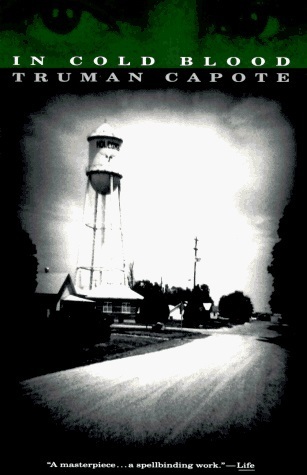
In Cold Blood

Truman Capote

  • First published 1970
  • 384 pages
  • English
  • Classic
On November 15, 1959, in the small town of Holcomb, Kansas, four members of the Clutter family were brutally murdered. There was no apparent motive and almost no clues left behind, a reality that shattered the peace of their rural community. The crime initiated a complex investigation that captured the attention of the nation, but the truth of what happened that night was far more senseless than anyone could imagine. Truman Capote's groundbreaking work meticulously reconstructs the crime and the subsequent investigation, creating a new literary genre in the process: the non-fiction novel. By alternating between the perspectives of the unsuspecting victims, the bewildered townspeople, and the two ex-convicts responsible for the crime, Capote crafts a narrative with mesmerizing suspense and astonishing empathy. He delves deep into the psychological landscapes of the killers, exploring the complex relationship and personal histories that culminated in a night of shocking violence. The book is not simply an account of a murder; it is a poignant and chilling examination of the nature of American violence and the dark recesses of the human mind. It forces the reader to confront the question of why this happened, a question for which there are no easy answers.
4.09
759K ratings across the web
8 in 10 readers loved it
Truman Capote's In Cold Blood is widely celebrated as a groundbreaking masterpiece that pioneered the nonfiction novel and the true crime genre. Reviewers consistently praise its breathtaking and often flawless prose, noting Capote's exceptional gift for language that transports readers into the heart of the story. The book is described as intensely compelling, gripping, and suspenseful, engaging readers from beginning to end despite the known outcome of events. Many highlight the meticulous research Capote undertook, including extensive interviews and data collection, which resulted in a deeply detailed narrative. His ability to craft complex character portrayals, delving into the psychology of all involved, from the victims to the perpetrators, is frequently admired, as is his generally objective and impartial storytelling style. The work's lasting impact and its status as a literary classic are recurrent themes among positive feedback. Despite its many accolades, some reviewers raise concerns about the book's factual accuracy. A significant point of contention is the accusation that Capote, in his pursuit of a compelling narrative, fabricated dialogue, invented scenes, or took creative liberties that contradict his claim of writing a purely nonfiction account. This perceived blending of fact and fiction, particularly when presented as objective truth, is a primary criticism. A few readers also found certain sections to be overly detailed or tedious, occasionally slowing the pacing with what felt like unnecessary information. Additionally, while Capote's detachment is often lauded, a minority of critiques suggest his absence from the narrative might be problematic if he was, as some theories propose, actively shaping events or manipulating the story without disclosing his own involvement. Overall, In Cold Blood stands as a powerful and influential work, renowned for its literary artistry and its profound exploration of a tragic event. It is highly recommended for readers who appreciate groundbreaking journalism, those interested in the psychological underpinnings of crime, and fans of the true crime genre who seek a meticulously crafted and deeply immersive experience. While its factual integrity has been debated, its impact on literature and its ability to captivate readers remain undeniable, making it a must-read classic for anyone interested in crime, criminology, psychology, or exceptional storytelling.

No reviews yet. Be the first.

This edition
Signet/New American Library, 1967
ISBN
9780451121981
Language
English
Original edition Originally published in 1970 · English · Berkley

Other editions (173)