
L'herbe Bleue
7.46 / 10 297K ratings
- Language
- French
- Published
- 1972
- Publisher
- France loisirs
- Pages
- 215
- ISBN
- 9782724249460
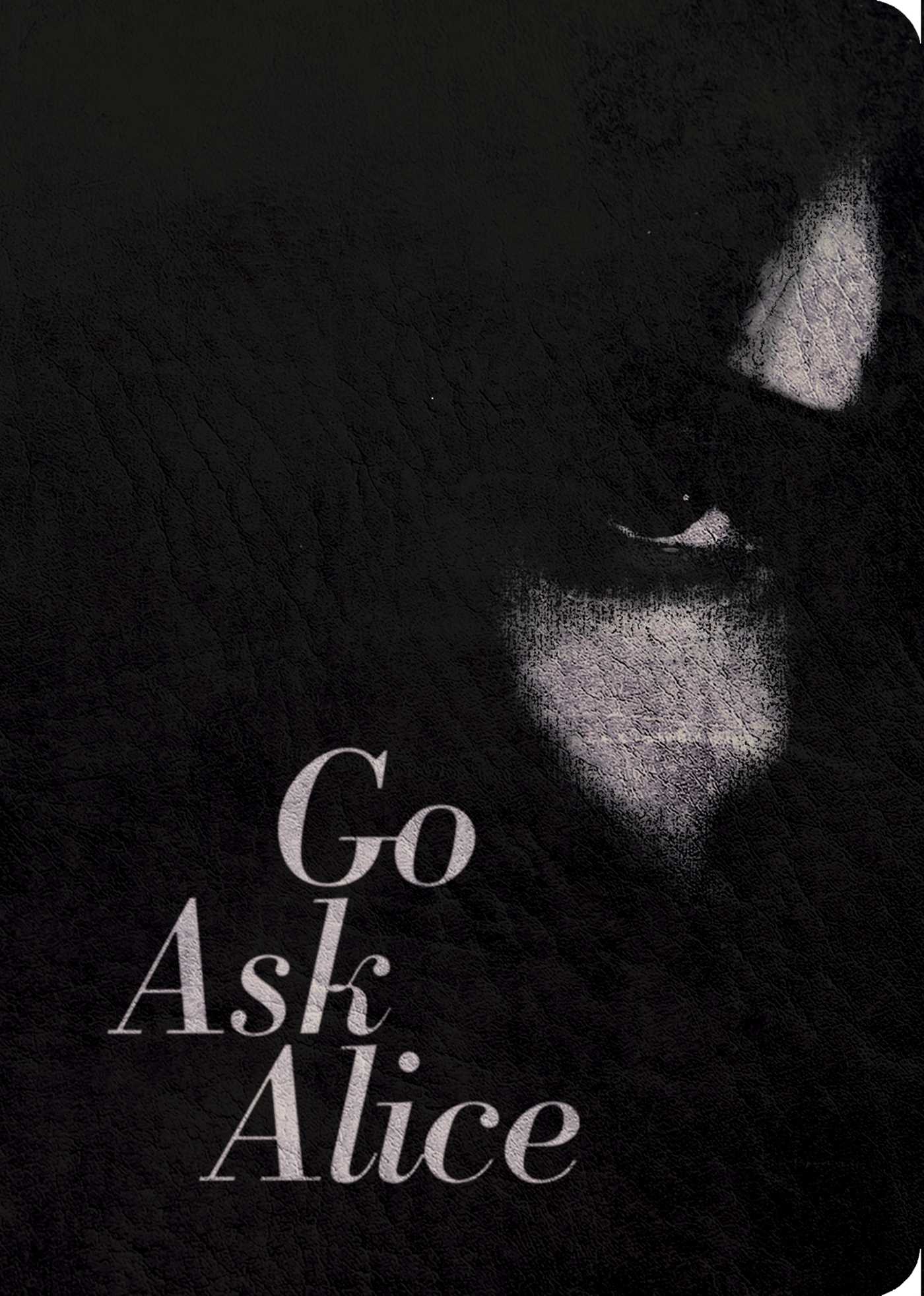
Presented as the raw, unfiltered diary of a teenage girl, Go Ask Alice chronicles a descent into the perilous world of drug addiction. Beginning with ordinary adolescent concerns about crushes, body image, and fitting in, her life takes a sharp turn after an accidental encounter with LSD. This initial experience opens the door to a cycle of escalating drug use, including marijuana and amphetamines, as she navigates alienation and a desperate search for belonging.
Through her candid entries, the diary reveals the emotional turmoil, strained family relationships, and the fleeting highs and devastating lows that mark her journey. It captures the struggle between the desire for a fresh start and the persistent grip of addiction, painting a picture of a life unraveling. This book offers a stark portrayal of the dangers of substance abuse and the profound impact it has on a young life.
Through her candid entries, the diary reveals the emotional turmoil, strained family relationships, and the fleeting highs and devastating lows that mark her journey. It captures the struggle between the desire for a fresh start and the persistent grip of addiction, painting a picture of a life unraveling. This book offers a stark portrayal of the dangers of substance abuse and the profound impact it has on a young life.
Subjects
- Reference
- Literature & Fiction
- Genre Fiction
- Self-Help
- Health, Fitness & Dieting
- Fiction
- United States
- Anthologies
- Biographies & Memoirs
- Children's Books
- Growing Up & Facts of Life
- Children's Fiction
- Contemporary
- Psychology
- Parenting & Relationships
- Parenting
- Mental Health
- Politics & Social Sciences
- Teen & Young Adult
- Foreign Language Study & Reference
- Addiction & Recovery
- Alcoholism
- Drug Dependency
- Biography & Autobiography
- Juvenile Fiction
- Biographies
- Classics
- Literary Collections
- Fiction, general
- Sociology
- Family & Relationships
- Life Stages
- Social Science
- Biographical
- Diaries & Journals
- Difficult Discussions
- Criminology
- Audio Adult: Books On Tape
- Social Themes
- Adolescence & Coming of Age
- Social & Family Issues
- Substance Abuse
- Juvenile Nonfiction
- Social Topics
- Psychopathology
- Personal Memoirs
- Diaries
- Peer Pressure
- Disease & Health Issues
- Letters
- Young Adult Fiction
- College students
- Youth
- Drug Abuse
- Addiction
- Substance Abuse & Addictions
- New Experience
- Teenagers
- Propaganda
- Drugs, Alcohol, Substance Abuse
- Teenage girls
- Biography
- Personal Narratives
- Sexual Behavior
- Health and Hygiene
Original edition
Go Ask Alice (Anonymous Diaries)Originally published in 1971 English Simon & Schuster Books for Young Readers
Other editions (92)




Listen to the summary Narrated summary
The first entries in my diary were filled with the ordinary worries of a fifteen-year-old girl: my weight, my crush on Roger, the struggle to talk to my parents, and the overwhelming feeling of not quite fitting in. My father, a college professor, decided we would move to a new city, and a small part of me hoped this change would bring a fresh start. But the move only intensified the loneliness, a gnawing ache that settled deep inside me. My younger siblings seemed to adapt effortlessly, highlighting my own isolation, and my relationship with my mother became strained, her criticisms of my appearance only fueling my insecurities.
That summer, staying with my grandparents, everything changed. At a party, someone slipped LSD into my soda. I didn't know what was happening, only that the world suddenly shimmered with an unsettling, vivid intensity. This accidental trip, initially pleasurable, opened a door to a new, dangerous curiosity. I began to seek out more, experimenting with marijuana and other drugs, finding a fleeting sense of acceptance and escape in a world that felt otherwise indifferent.
My new friends, Chris and her boyfriend Ted, along with his roommate Richie, drew me deeper into their world. Chris and I bonded over our shared dissatisfaction with our families and the establishment. We started selling drugs to make money, and I fell for Richie, despite my growing unease about the path I was on. The drugs offered a temporary illusion of connection, a way to quiet the constant hum of loneliness. But the highs were always followed by crushing lows, and the fear of pregnancy and the reality of my choices began to weigh heavily.
The spiral quickened. After a terrifying incident where I sold LSD to elementary school children, a moment that shook me to my core, I fled with Chris to San Francisco. But even there, the escape was temporary. The police caught Chris and me smoking, and suddenly I was on probation, facing the stern gaze of my parents and the cold pronouncements of a psychiatrist. The rules tightened, but the addiction held me captive. High on amphetamines, I ran away again, a desperate impulse to outrun myself.
My journey became a blur of anonymous towns and fleeting encounters: Denver, Coos Bay, Southern California. I lived on the streets, prostituting myself for drugs, witnessing the deaths of other young runaways, and feeling a chilling envy for their final escape. There were moments of clarity, sparks of a desire to help others like me, to become a child psychologist. I even talked to a priest, which led to my parents finding me, ready to bring me home.
Returning home, I desperately tried to rebuild my life. I found solace in my family, especially after the deaths of my grandparents, and even began a new relationship with Joel, a kind freshman who treated me with respect. For a time, I believed I could stay clean, that I could leave the drugs behind. But the pull of my old life, the insidious whispers of temptation, proved too strong. A malicious act by a former friend, who dosed me unknowingly with LSD, sent me into a horrifying trip that left me in a psychiatric institution, hallucinating worms and maggots consuming my body.
After my release, I felt a renewed sense of purpose. I was stable, detoxed, and committed to sobriety. My diary, my truest confidante through all the turmoil, became a record of my struggle and my newfound resolve. I felt stronger, ready to face the world, to talk to people, to live a life free from the suffocating grip of addiction. I even decided to stop writing in the diary, believing I no longer needed it, that I could finally share myself with others.
But the reprieve was tragically short-lived. Three weeks after I put down my diary, my parents found me. I was gone, taken by an overdose. Whether it was accidental or a final, desperate act, I don't know. The diary, a testament to my raw, unvarnished journey through the depths of addiction and the fleeting glimpses of hope, ended without another entry, leaving only the stark, heartbreaking truth of a life consumed.
That summer, staying with my grandparents, everything changed. At a party, someone slipped LSD into my soda. I didn't know what was happening, only that the world suddenly shimmered with an unsettling, vivid intensity. This accidental trip, initially pleasurable, opened a door to a new, dangerous curiosity. I began to seek out more, experimenting with marijuana and other drugs, finding a fleeting sense of acceptance and escape in a world that felt otherwise indifferent.
My new friends, Chris and her boyfriend Ted, along with his roommate Richie, drew me deeper into their world. Chris and I bonded over our shared dissatisfaction with our families and the establishment. We started selling drugs to make money, and I fell for Richie, despite my growing unease about the path I was on. The drugs offered a temporary illusion of connection, a way to quiet the constant hum of loneliness. But the highs were always followed by crushing lows, and the fear of pregnancy and the reality of my choices began to weigh heavily.
The spiral quickened. After a terrifying incident where I sold LSD to elementary school children, a moment that shook me to my core, I fled with Chris to San Francisco. But even there, the escape was temporary. The police caught Chris and me smoking, and suddenly I was on probation, facing the stern gaze of my parents and the cold pronouncements of a psychiatrist. The rules tightened, but the addiction held me captive. High on amphetamines, I ran away again, a desperate impulse to outrun myself.
My journey became a blur of anonymous towns and fleeting encounters: Denver, Coos Bay, Southern California. I lived on the streets, prostituting myself for drugs, witnessing the deaths of other young runaways, and feeling a chilling envy for their final escape. There were moments of clarity, sparks of a desire to help others like me, to become a child psychologist. I even talked to a priest, which led to my parents finding me, ready to bring me home.
Returning home, I desperately tried to rebuild my life. I found solace in my family, especially after the deaths of my grandparents, and even began a new relationship with Joel, a kind freshman who treated me with respect. For a time, I believed I could stay clean, that I could leave the drugs behind. But the pull of my old life, the insidious whispers of temptation, proved too strong. A malicious act by a former friend, who dosed me unknowingly with LSD, sent me into a horrifying trip that left me in a psychiatric institution, hallucinating worms and maggots consuming my body.
After my release, I felt a renewed sense of purpose. I was stable, detoxed, and committed to sobriety. My diary, my truest confidante through all the turmoil, became a record of my struggle and my newfound resolve. I felt stronger, ready to face the world, to talk to people, to live a life free from the suffocating grip of addiction. I even decided to stop writing in the diary, believing I no longer needed it, that I could finally share myself with others.
But the reprieve was tragically short-lived. Three weeks after I put down my diary, my parents found me. I was gone, taken by an overdose. Whether it was accidental or a final, desperate act, I don't know. The diary, a testament to my raw, unvarnished journey through the depths of addiction and the fleeting glimpses of hope, ended without another entry, leaving only the stark, heartbreaking truth of a life consumed.
What other readers say
Liked
Many readers found "Go Ask Alice" to be a deeply impactful and moving book, particularly when read at a younger age. For some, it served as a powerful cautionary tale, effectively illustrating the destructive path of addiction and its profound effects on individuals and their families. Reviewers who have personal experience with addiction often noted the story's raw portrayal of a drug addict's life, finding elements of the protagonist's journey and struggles to be realistic, even if hard to stomach. Despite its dated references, many believe the core message about the ruinous nature of addiction remains relevant. Some appreciate its ability to spark important conversations about drug use, and a few even found it unintentionally entertaining or compelling as a dramatic, fast-paced read.
Disliked
Conversely, a significant number of reviews heavily criticize "Go Ask Alice," primarily for its disputed authenticity. Many consider it a fictional work, widely attributed to Beatrice Sparks, despite being presented as a real diary. This perceived fabrication, coupled with the book's perceived conservative and moralistic agenda, leads many to label it as exploitative propaganda, poorly written, and unconvincing. Critics frequently point out the unrealistic and overly rapid descent into addiction, as well as a writing style that often feels inauthentic to a teenager, characterized by repetitive phrasing and simplistic language. Concerns are also raised about its problematic content, including inaccurate information about drug addiction, alleged homophobia, and a lack of nuanced understanding of mental health and recovery. Many found the protagonist unlikeable, self-pitying, and the narrative boring, leading some to abandon the book unfinished.
In short
"Go Ask Alice" is undeniably a controversial book, polarizing readers due to its questionable origins and sensationalized content. While it has profoundly affected many, particularly as an early exposure to the dangers of drugs, its effectiveness as an educational tool is widely debated. It may appeal to mature readers interested in exploring a historical artifact of anti-drug campaigns from the 1970s, or those who can appreciate its dramatic impact despite its literary flaws and lack of scientific accuracy. However, readers seeking a realistic, nuanced, or well-crafted portrayal of addiction, or those sensitive to moralizing and potentially harmful stereotypes, are likely to find it disappointing and even offensive. It is best approached with a critical eye, recognizing its context as a product of its time rather than a definitive or objective account of drug use.
No reviews yet. Be the first.