
La mémoire de Babel
- Language
- French
- Published
- 2021
- Publisher
- Folio Verlag
- Pages
- 576
- ISBN
- 9782072957970
Original edition
La Mémoire de BabelOriginally published in 2017 French Editions Gallimard
Other editions (51)


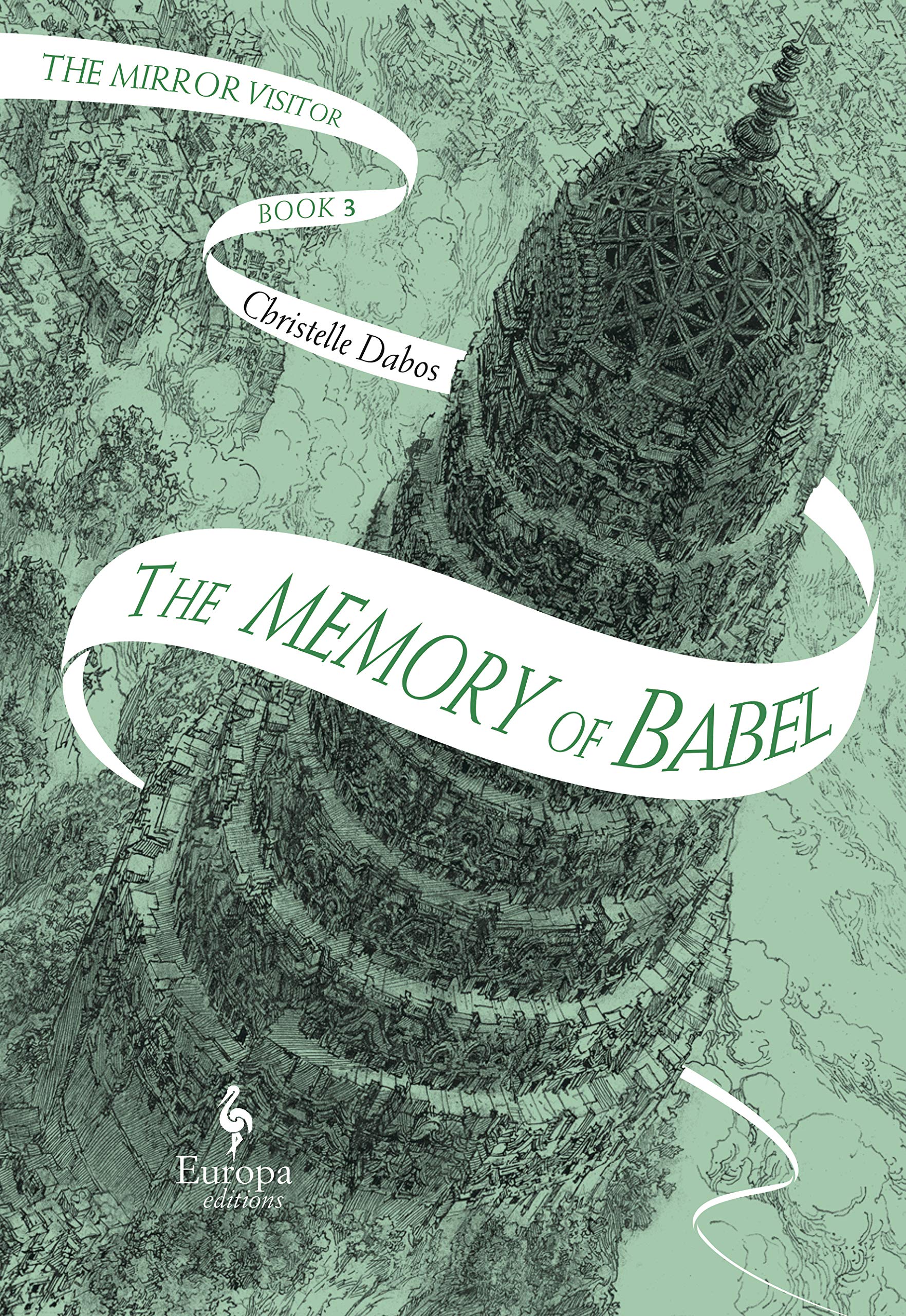
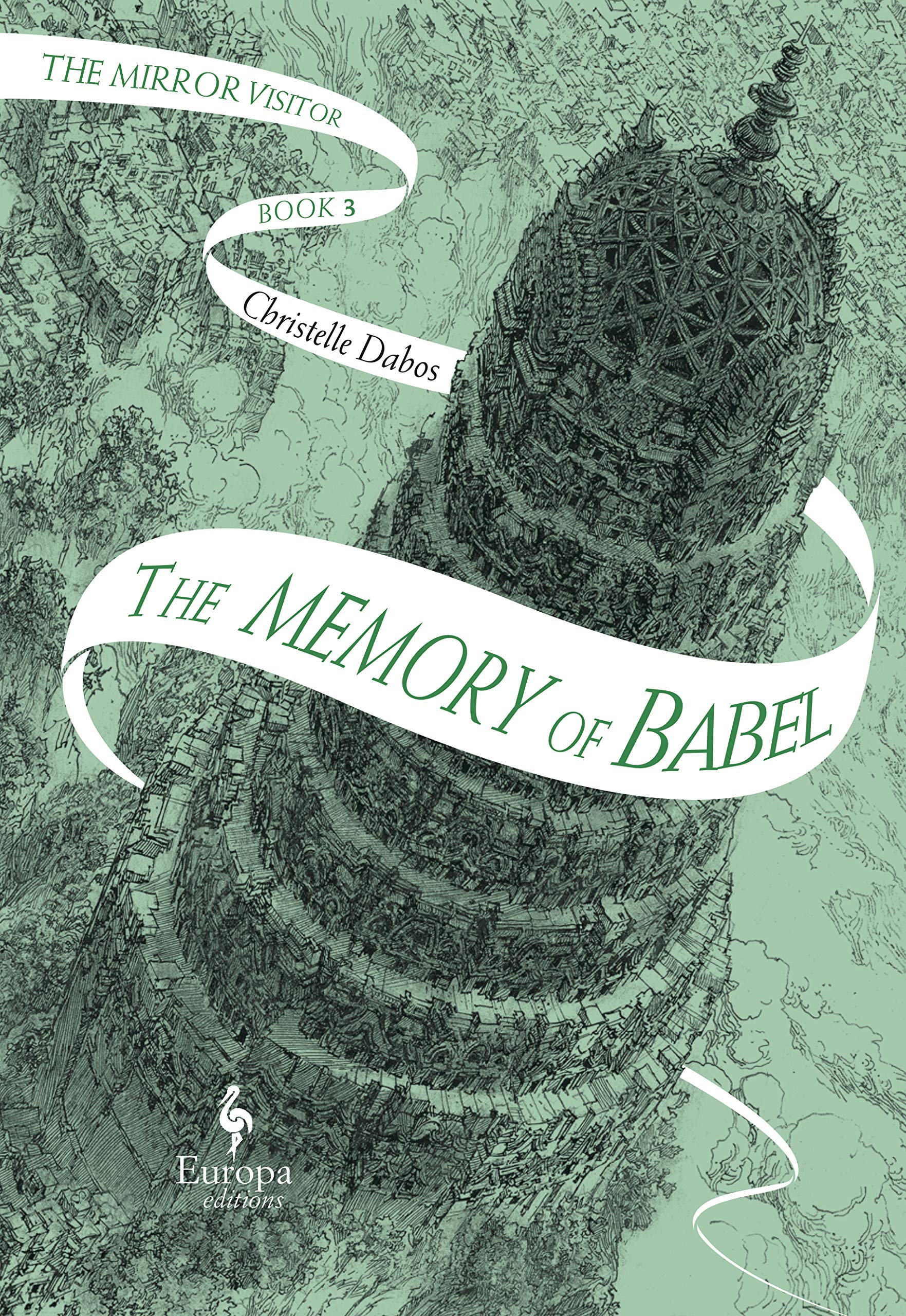
No summary for this edition yet.
What readers say
4.19
73K ratings across the web 8 in 10 readers loved it
This installment of the series continues to captivate many readers with its uniquely imaginative and intricate world-building, moving beyond typical fantasy settings. Reviewers frequently praise the author's ability to create a rich, fantastical universe, particularly highlighting the distinct atmosphere of the new Ark, Babel, with its diverse inhabitants, varied family powers, and intriguing steampunk elements. Many found Ophelia's solo journey and her investigative skills compelling, appreciating her quiet determination, bravery, and exploration of her abilities as she delves into larger mysteries. The exploration of themes such as censorship, obedience, and the abuse of power resonated deeply with some, adding a thought-provoking layer to the narrative. Despite challenges, the central relationship between Ophelia and Thorn remains a significant draw for fans, with many cherishing their complex, angsty, and often tender connection, even calling it a "delicious slow burn." New friendships and supporting characters, like Octavio and the glimpses of Archibald, also received positive mentions for their depth and charm.
However, the book is not without its criticisms, with many reviewers finding it to be a more disappointing entry in the series compared to its predecessors. A common complaint centers on the pacing, described as slow, dragging, and containing too much "filler" that offers little substantial plot progression or action. Some felt that the main mystery advanced too slowly, with the reader often ahead of the characters. The development of both Ophelia and Thorn also drew criticism; some perceived Ophelia as regressing into passivity, while Thorn was seen as unlikable, distant, or responsible for Ophelia's dilemmas due to his reticence. The romance between them was frequently described as forced, awkward, or lacking believable foundation, with Ophelia's deep feelings for Thorn feeling unearned to some. Furthermore, many found the new secondary characters weak, two-dimensional, and unmemorable, failing to adequately replace beloved figures from earlier books. Other points of contention include underdeveloped plot twists, a perceived shift from political intrigue to "petty high school drama," and stylistic choices like repetitive writing or peculiar linguistic quirks in translation.
Ultimately, this book proves to be a polarizing entry in a beloved series. While many devoted fans enthusiastically embrace its unique world, complex lore, and the continued journey of its central characters, others found it to be a less engaging "transition book" plagued by pacing issues and character development struggles. Readers who are deeply invested in the unique, imaginative universe and the angsty, slow-burn dynamic of Ophelia and Thorn, and who appreciate intricate mysteries and thought-provoking themes despite a slower pace, are most likely to enjoy this installment. Those seeking rapid plot progression, consistent character development, or a more conventional romance might find it less satisfying.
No reviews yet. Be the first.