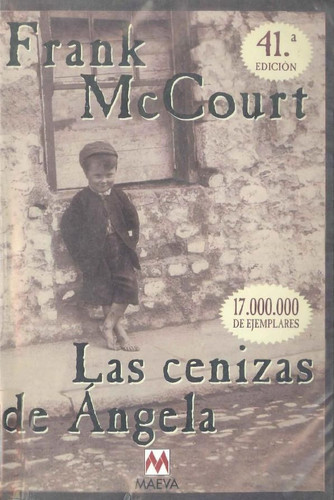
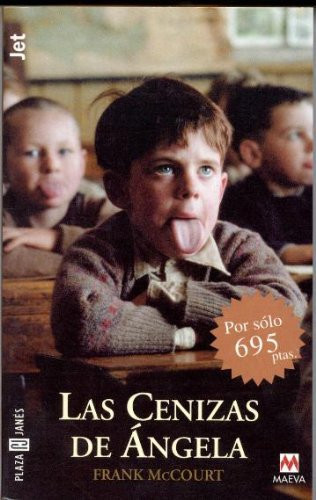
My earliest memories are a blur of Brooklyn, of a small room and the constant worry etched on my mother's face. Angela, she was, and my father, Malachy, a storyteller with a grand Northern accent and a thirst that swallowed all his wages. There was a brief, precious time when my baby sister, Margaret, brought a fragile joy, but she was taken from us too soon, leaving my mother in a fog of grief and my father deeper in the drink. It was then, with bellies aching and hope dwindling, that the decision was made: back to Ireland we would go, to Limerick, a place my father called home, though it offered little solace.
Limerick greeted us with rain and a damp chill that seeped into our very bones. It was a city of perpetual grey, of narrow lanes and houses crammed together, where the smell of poverty hung heavy in the air. Here, our small family grew yet smaller, as my twin brothers, Oliver and Eugene, faded away, leaving my mother broken and us children to wonder at the cruelty of it all. My father, for all his grand tales of Cuchulain and ancient Irish heroes, remained a phantom, his paychecks vanishing into the bottom of a pint glass while we starved.
School offered a strange kind of refuge, a place where the sting of hunger could sometimes be dulled by the magic of words. The priests and brothers, with their stern faces and ready slaps, taught us catechism and Latin, but it was the stories, the poetry, and the glimpse into other worlds that truly fed my soul. I was a boy with a mind hungry for knowledge, even as my stomach growled for a crust of bread. We moved from one miserable hovel to another, often living in conditions that would make a rat turn up its nose, sharing beds and battling the fleas that were our constant companions.
As I grew, the weight of our existence pressed down harder. My father, with promises of sending money, would often disappear to England for work, only for the remittances to dry up, leaving my mother to face the parish charities and the cold stares of those who judged her plight. There were times she had to swallow her pride, even endure the unwanted advances of Cousin Laman, just to keep a roof over our heads, a sacrifice that burned in my young heart. I longed for a way out, for a life where I wouldn't have to witness her quiet despair.
My hands, once small and idle, soon found purpose. Delivering coal, then telegrams, I tasted the sweet dignity of earning my own shilling. The city of Limerick, once a maze of misery, became a place I navigated with growing confidence, each delivery a step towards independence. It was during these rounds that I met Theresa Carmody, a girl with a cough and a gentle spirit, and for a fleeting time, I knew a different kind of warmth, a brief, tender awakening that ended in sorrow and a crushing guilt whispered in the confessional.
The dream of America, a land of opportunity and full bellies, began to take root in my mind, a beacon shining through the perpetual gloom of Limerick. It was a dream fueled by every penny I earned, every insult endured, every cold, damp morning. I worked hard, saving what little I could, meticulously counting the coins that would eventually buy my passage across the Atlantic.
Finally, the day arrived. With enough money scraped together, I stood on the deck of a ship, leaving behind the cobblestone streets, the rain-soaked walls, and the ghosts of my childhood. Looking back at the receding shores of Ireland, I carried the echoes of my mother's sighs, my father's songs, and the laughter and tears of my brothers. It was a farewell to the ashes of a life lived in want, a desperate hope for something more.
New York, bustling and bright, welcomed me with its promise. On my very first night, in a world far removed from the cold hearths of Limerick, I found myself at a party, and in the arms of an American woman. It was a moment of release, a defiant embrace of a new beginning, shedding the heavy cloak of my past and stepping, finally, into a future I had fought so hard to claim.