
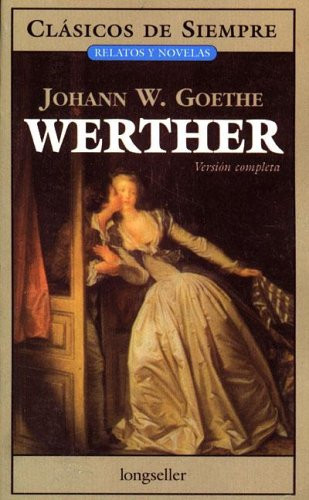
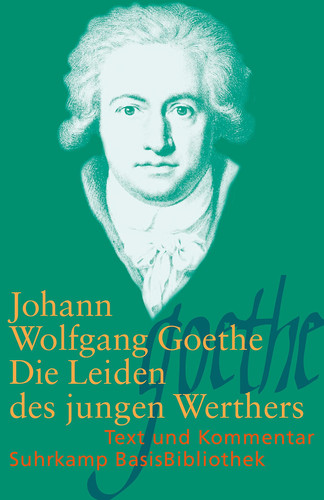
Las penas del joven Werther
7.84 / 10 66K ratings
- Language
- Spanish
- Published
- 2010
- Publisher
- Paréntesis Ed.
- Pages
- 153
- ISBN
- 9788499190754
Immerse yourself in the tumultuous world of Werther, a passionate young artist whose vibrant spirit finds both solace and torment in the beauty of nature and the depths of human connection. Through a series of intimate letters, he chronicles his journey to a serene village, where he encounters the captivating Lotte. Her kindness, intelligence, and grace immediately draw him in, sparking an intense affection that quickly consumes his every thought.
However, Lotte is already engaged to Albert, a steadfast and respected man. As Werther navigates the intoxicating highs and crushing lows of his unrequited love, the conflict between his ardent desires and the unyielding realities of society intensifies. This seminal work of the Sturm und Drang movement delves into the profound struggles of the human heart, exploring themes of obsessive passion, the clash between emotion and reason, and the isolating weight of societal expectations. Discover the timeless power of a love story that resonated so deeply with its original readers it ignited a cultural phenomenon, inviting you to witness the poignant unraveling of a sensitive soul.
However, Lotte is already engaged to Albert, a steadfast and respected man. As Werther navigates the intoxicating highs and crushing lows of his unrequited love, the conflict between his ardent desires and the unyielding realities of society intensifies. This seminal work of the Sturm und Drang movement delves into the profound struggles of the human heart, exploring themes of obsessive passion, the clash between emotion and reason, and the isolating weight of societal expectations. Discover the timeless power of a love story that resonated so deeply with its original readers it ignited a cultural phenomenon, inviting you to witness the poignant unraveling of a sensitive soul.
Subjects
- Travel
- General
- Reference
- Literature & Fiction
- Genre Fiction
- Subjects
- Literary
- Historical
- History
- Anthologies
- Romance
- Contemporary
- FICTION_GENERAL
- Specialty Boutique
- New, Used & Rental Textbooks
- Fiction
- Biography & Autobiography
- Classics
- Criticism
- Literary Collections
- Social life and customs
- History & Criticism
- Linguistics
- Ancient & Medieval Literature
- Ancient & Classical
- Words, Language & Grammar
- Fiction - General
- Audio Adult: Books On Tape
- European
- German
- Criticism & Theory
- Movements & Periods
- Literary Criticism
- Drama
- Children's Books/Ages 9-12 Fiction
- Literary Figures
- Poetry (poetic works by one author)
- GERMANY_FICTION
- Suicide
- Fiction - Romance
- Romance - General
- Literature - Classics
- Language readers
- New York Times reviewed
- CONTINENTAL EUROPEAN FICTION (FICTIONAL WORKS BY ONE AUTHOR)
- CONTINENTAL EUROPEAN DRAMA (DRAMATIC WORKS BY ONE AUTHOR)
- Translations into English
- German fiction
Original edition
The Sufferings of Young WertherOriginally published in 1966 English Riverrun Pr
Other editions (54)


Listen to the summary Narrated summary
The spring air of Wahlheim seemed to breathe new life into Werther, a young artist of a sensitive and passionate temperament. He had sought refuge in this idyllic village, enchanted by the simple lives of its peasants and the serene beauty of nature. His letters to his dear friend, Wilhelm, overflowed with descriptions of his walks, his sketches, and his profound observations on the world, expressing a soul deeply attuned to the sublime and the melancholic. He found solace in the countryside, a stark contrast to the rigid expectations of urban society and the government career his family hoped for him.
Then, amidst this newfound peace, he met Charlotte. She was a vision of grace and kindness, caring for her younger siblings after their mother's passing, her presence radiating a gentle warmth that drew him in irresistibly. He knew, almost from their first meeting, that she was betrothed to Albert, a man eleven years her senior, a steady and rational soul. Yet, Werther's heart, untamed and fervent, plunged headlong into an all-consuming love for her.
Despite the gnawing pain, Werther cultivated a close friendship with both Charlotte and Albert. He spent months in their company, his days a bittersweet symphony of shared moments with Charlotte and the constant, agonizing reminder of her unbreakable bond with another. His adoration for her grew with each passing day, transforming from infatuation into a profound, desperate obsession. He saw in her the embodiment of all beauty and virtue, and the thought of a life without her became an unbearable torment.
The unbearable weight of his unrequited passion eventually forced him to flee Wahlheim. He sought distraction in Weimar, taking a position at a royal court. However, the aristocratic society, with its emphasis on class and rigid decorum, proved stifling to his free spirit. He found himself at odds with their superficiality and suffered profound embarrassment and social rejection when he was asked to leave a gathering due to his lack of noble birth. The world outside of Charlotte's orbit offered him no true escape or solace.
His heart, bruised and yearning, eventually pulled him back to Wahlheim, only to find Charlotte and Albert now married. The sight of their domestic contentment intensified his suffering, each tender glance or shared moment between them a fresh wound to his soul. He lingered, a shadow in their lives, his presence a source of increasing discomfort for Charlotte, who, out of pity for him and respect for her husband, gently urged him to visit less frequently.
The tension became unbearable. One evening, as he read aloud from Ossian, tales of tragic love and despair, Charlotte's own emotions were stirred, and they shared a passionate, forbidden kiss. The moment, though fleeting, sealed his fate. Werther knew then that the love triangle could not continue, and he saw no other path but his own demise. He resolved to make the ultimate sacrifice, convinced that only through his death could he preserve Charlotte's happiness and free himself from his torment.
With a chilling calm, Werther began to set his affairs in order. He wrote farewell letters to Wilhelm and to Charlotte, each word imbued with the depth of his despair and his enduring love. Under the pretense of a journey, he sent his servant to Albert to borrow his pistols. The next day, in the solitude of his room, he pressed the barrel to his head and fired. He lingered for twelve agonizing hours, a testament to the depth of his suffering, before finally succumbing to death. His burial, between two linden trees he cherished, was a quiet affair, unadorned by clergy or the presence of those he loved most, leaving behind a profound emptiness and the lingering question of Charlotte's broken heart.
Then, amidst this newfound peace, he met Charlotte. She was a vision of grace and kindness, caring for her younger siblings after their mother's passing, her presence radiating a gentle warmth that drew him in irresistibly. He knew, almost from their first meeting, that she was betrothed to Albert, a man eleven years her senior, a steady and rational soul. Yet, Werther's heart, untamed and fervent, plunged headlong into an all-consuming love for her.
Despite the gnawing pain, Werther cultivated a close friendship with both Charlotte and Albert. He spent months in their company, his days a bittersweet symphony of shared moments with Charlotte and the constant, agonizing reminder of her unbreakable bond with another. His adoration for her grew with each passing day, transforming from infatuation into a profound, desperate obsession. He saw in her the embodiment of all beauty and virtue, and the thought of a life without her became an unbearable torment.
The unbearable weight of his unrequited passion eventually forced him to flee Wahlheim. He sought distraction in Weimar, taking a position at a royal court. However, the aristocratic society, with its emphasis on class and rigid decorum, proved stifling to his free spirit. He found himself at odds with their superficiality and suffered profound embarrassment and social rejection when he was asked to leave a gathering due to his lack of noble birth. The world outside of Charlotte's orbit offered him no true escape or solace.
His heart, bruised and yearning, eventually pulled him back to Wahlheim, only to find Charlotte and Albert now married. The sight of their domestic contentment intensified his suffering, each tender glance or shared moment between them a fresh wound to his soul. He lingered, a shadow in their lives, his presence a source of increasing discomfort for Charlotte, who, out of pity for him and respect for her husband, gently urged him to visit less frequently.
The tension became unbearable. One evening, as he read aloud from Ossian, tales of tragic love and despair, Charlotte's own emotions were stirred, and they shared a passionate, forbidden kiss. The moment, though fleeting, sealed his fate. Werther knew then that the love triangle could not continue, and he saw no other path but his own demise. He resolved to make the ultimate sacrifice, convinced that only through his death could he preserve Charlotte's happiness and free himself from his torment.
With a chilling calm, Werther began to set his affairs in order. He wrote farewell letters to Wilhelm and to Charlotte, each word imbued with the depth of his despair and his enduring love. Under the pretense of a journey, he sent his servant to Albert to borrow his pistols. The next day, in the solitude of his room, he pressed the barrel to his head and fired. He lingered for twelve agonizing hours, a testament to the depth of his suffering, before finally succumbing to death. His burial, between two linden trees he cherished, was a quiet affair, unadorned by clergy or the presence of those he loved most, leaving behind a profound emptiness and the lingering question of Charlotte's broken heart.
What other readers say
Liked
The book is widely praised for its gorgeously written and descriptive prose, which many reviewers found immersive and readable, sometimes even forgetting they were reading. Its unique epistolary format, combined with diary entries and occasional external narration, contributes to an engaging and surprisingly modern feel. Reviewers highlight it as a brilliant, ingenious, and fascinating work that offers a complex character study and a thorough investigation into intense emotions, unattainable love, and pathological obsession. It delves into profound themes such as passion versus practicality, personal responsibility, and existential crises. Many found the narrative deeply moving, capable of evoking strong emotional responses, and noted its historical significance as an influential work in German literature and the Romantic Sturm und Drang movement. Despite its age, the book's exploration of melodrama and unrequited love remains relatable and enduring.
Disliked
Despite its literary merits, the protagonist, Werther, is a significant point of contention for many readers. He is frequently described as irritating, annoying, a whinger, egoist, shallow, self-absorbed, and even a "horrid little monster." His intense emotional wallowing and often misguided passion can make the reading experience frustrating and, for some, a "slog." The narrative is consistently bleak and depressing, focusing on sorrow, agony, and delusion, which can be emotionally overwhelming. Some critics found the romanticism "flowery" or "mindless," and Werther's persistent willfulness and lack of rationality are often seen as unattractive. His actions and motivations are heavily questioned, leading to a prevalent lack of sympathy or even outright dislike for his character.
In short
Ultimately, The Sorrows of Young Werther is regarded as an ambiguous and rewarding classic. It offers a profound exploration of human vulnerability, intense emotion, and the darker, more destructive aspects of passion, presenting itself not as a simple tragic love story but as a masterly portrait of an individual consumed by their own feelings. It is highly recommended for readers interested in literary character studies, the Romantic movement, German literature, or those who appreciate deeply emotional and psychologically intense narratives. While its themes of intense, unrequited love may particularly resonate with younger readers, others may find Werther's actions frustrating, yet still appreciate the book's significant literary merit and thematic depth. Readers should be prepared for an emotionally heavy story centered on an often challenging protagonist, but one that offers considerable insights into human nature.
No reviews yet. Be the first.