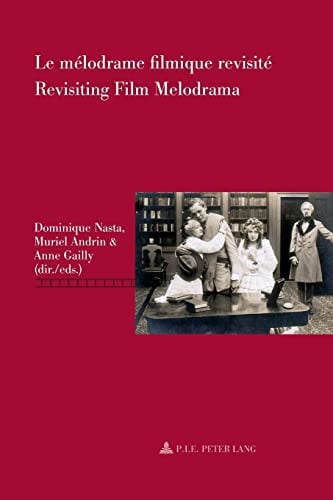
Film melodrama, a mode of expression often dismissed and burdened by pejorative connotations since its cinematic inception, demands a profound re-evaluation. It has too frequently been confined to notions of emotional manipulation and aesthetic excess, its intricate complexities overlooked in favor of simplistic interpretations. Yet, within its dramatic oscillations between joy and tragedy, and its confrontation of powerful sentiments, lies a rich tapestry deserving of comprehensive, multi-layered analysis.
This re-appraisal begins by broadening the field of study, moving beyond the traditional cinematic screen to explore melodrama's presence and evolution across television, animation, and the internet. Such an expansive view allows for innovative approaches that trace the melodramatic mode's enduring power and adaptability in contemporary media. It invites a look at how this expressive form, characterized by heightened dramatic situations and intense, often exaggerated emotions, continues to resonate and find new life.
A significant aspect of this exploration involves an unprecedented dialogue between Francophone and Anglo-Saxon perspectives on film melodrama. While Anglo-American scholarship has frequently conceived of melodrama as a pervasive "mode" or a cluster of recurring features, French studies have often approached it as a distinct "genre" within the cinematic landscape. This confrontation of viewpoints reveals how different cultural and academic traditions frame and understand the very essence of melodrama, acknowledging the semantic gulf that can exist in its definition and application.
The journey into melodrama's depths unfolds through transdisciplinary lenses, revisiting its historical origins in early cinema and re-examining classical forms. From the silent film serials that captivated early audiences to the nuanced melodramatic moments within the works of pioneers like Griffith, the foundational elements are meticulously uncovered. This historical grounding illuminates how the genre's inherent rhetoric, often based on figures of excess and the clash of moral entities, has evolved from its earliest spectacular manifestations to later emphases on psychological sacrifice and pathos.
Further investigations delve into specific national melodramas, offering European, American, and Asian perspectives. We see how French cinema, for instance, with filmmakers like Marcel Pagnol, has engaged with the melodramatic, at times utilizing it as an ideological tool, and at others, navigating its problematic reception compared to its Hollywood or Italian counterparts. The evolution of performance, too, becomes a focal point, examining how actors like Garbo and Kidman embody distinct facets of melodramatic acting, further enriching our understanding of the form's aesthetic range.
Ultimately, this revisiting asserts that melodrama is far from a simplistic or exhausted category. Instead, it is a complex and vital subject that demands rigorous, innovative, and interdisciplinary study. By confronting its historical underestimation and embracing the multifaceted nature of its expression, we uncover the enduring power of melodrama to explore human injustice, poverty, passion, and sacrifice, offering a profound lens through which to understand cinematic storytelling and its deep connection to affect and emotion.