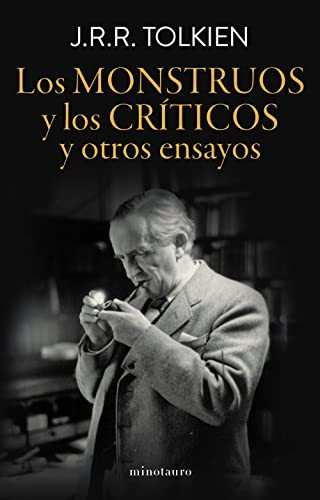
Positives This collection of essays by J.R.R. Tolkien is widely praised for its profound insights and significant impact on literary scholarship, particularly in the field of medieval studies. Reviewers consistently highlight Tolkien's remarkable intelligence, passion, and deep knowledge of language and literature, which shine through in every piece. Several essays are singled out for their brilliance, with "On Fairy Stories" frequently cited as a standout, offering fundamental perspectives on the fantasy genre that are considered essential reading for both enthusiasts and critics. The titular essay, "Beowulf: The Monsters and the Critics," is lauded as a groundbreaking work that fundamentally shifted the academic approach to the epic poem, encouraging appreciation for its literary merit rather than solely its historical value. Readers also appreciate how the collection provides a deeper understanding of the meticulous work and intellectual foundations behind Tolkien's own famous fictional worlds.
Negatives However, many reviewers note that the book's academic nature can make it a challenging read for a general audience. Some essays delve into highly technical discussions, especially those concerning linguistic analysis, etymology, and translation, which may prove less engaging for readers without a background in philology or Old English. Essays like "Translating Beowulf" and "English and Welsh" are mentioned as examples of content that can be dense with technical explanations and lists, making them less accessible or interesting to the casual reader. There are also comments about some material being repetitive if one has read other Tolkien essay collections, and a few pieces, such as the Valedictory Address, are occasionally perceived as less universally captivating or as "filler" due to their specific context.
Conclusion In conclusion, "The Monsters and the Critics and Other Essays" is considered an indispensable treasure for anyone deeply interested in Anglo-Saxon and medieval literature, linguistics, or the academic origins of the fantasy genre. It is highly recommended for scholars, teachers, and students of these subjects, as well as dedicated fans of Tolkien's fiction who wish to explore his scholarly genius and the intellectual underpinnings of his creative process. While it requires a focused effort and may not be a light read, the profound insights and the historical impact of Tolkien's arguments make the endeavor thoroughly worthwhile for those seeking a deeper appreciation of literature and language.