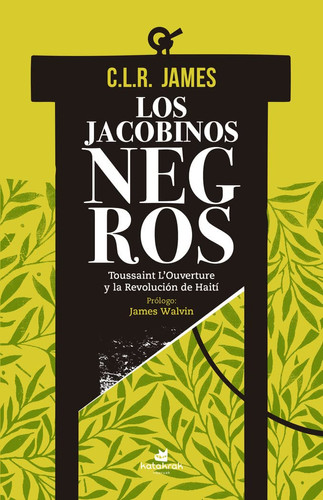
Positives C.L.R. James's The Black Jacobins is widely celebrated as a foundational and groundbreaking work, often described as a classic, masterpiece, and essential reading for understanding the Haitian Revolution. Reviewers consistently praise James's passionate, inspiring, and beautiful writing style, noting how he brings the complex history to life. The book is lauded for its detailed historical analysis, particularly in challenging Eurocentric narratives and debunking myths surrounding the revolution, such as the true intentions of Napoleon. Readers appreciate its insights into the global significance of the Haitian Revolution, connecting it to the French Revolution and broader anti-colonial movements. James is commended for highlighting the agency of the enslaved people and for his sophisticated analysis of the intersections of race and class, making it a vital text for those interested in social justice and the history of the African diaspora. Toussaint L'Ouverture is frequently described as a heroic, brilliant, and complex leader whose story is captivatingly told.
Negatives However, the book is not without its criticisms. Several reviewers find the text dense and challenging, noting that its detailed timeline, numerous historical figures, and shifting allegiances can be difficult to follow, especially for readers without prior knowledge of the French Revolution. James's strong Marxist perspective is a point of contention for some, who find his analysis occasionally polemical, clichéd, or overly theoretical, sometimes overshadowing the narrative. Critics also point out that the book primarily focuses on a "Great Man" history, with less attention paid to the roles of women or the everyday actions of ordinary enslaved people. Some mention minor historical inaccuracies or an overly hagiographic portrayal of Toussaint, and a tendency for the narrative to get lost in intricate details without stepping back to provide a broader context.
Conclusion Despite these critiques, The Black Jacobins is overwhelmingly regarded as a profoundly important and paradigm-shifting work of history. It is highly recommended for avid students of Caribbean colonial history, anyone interested in anti-colonial struggles, the dynamics of revolution, and the complex interplay of race, class, and power. Readers should be prepared for a rich, detailed, and intellectually demanding text that offers a powerful and enduring account of one of the most significant revolutions in world history, emphasizing the triumph of human will against unimaginable oppression.