
Los Robots Del Amanecer
by Isaac Asimov
8.4 / 10 57K ratings
Classic- Language
- Spanish
- Published
- 2015
- Publisher
- CreateSpace Independent Publishing Platform
- Pages
- 444
- ISBN
- 9781517189617
- Genres
- Fiction › Crime & mysteryFiction › Speculative fiction › FantasyFiction › Speculative fiction › Science fiction › Space operaFiction › Speculative fiction › Science fiction › Hard science fictionFiction › Speculative fiction › Post-apocalyptic fiction
- Mood
- Adventurous
- Where and when
- United States
Original edition
Isaac Asimov Reads His the Robots of DawnOriginally published in 1983 English Caedmon Audio Cassette
Other editions (82)
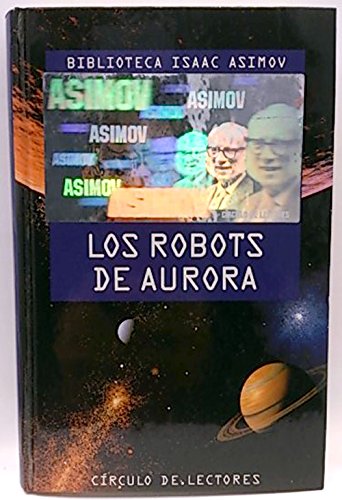

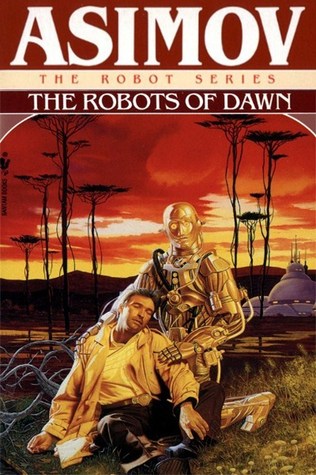

No summary for this edition yet.
What other readers say
Liked
The reviews for this book highlight its strengths as a compelling science fiction mystery and a crucial entry in Isaac Asimov's overarching narrative. Many readers praise the superbly crafted whodunnit plot, which features the beloved detective Elijah Baley and his humaniform robot partner, R. Daneel Olivaw, investigating a "roboticide." The novel is lauded for its insightful world-building, offering a deeper look into the Earth-Spacer reality and the societal impact of robots. Reviewers appreciate Asimov's ability to develop intriguing characters, particularly the evolving bond between Baley and Daneel, and the nuanced portrayal of characters like Gladia Delmarre. The book is frequently celebrated for its significant role in bridging the Robot series with the later Empire and Foundation sagas, with the introduction of key concepts like psychohistory being a major draw for fans of Asimov's broader universe. Its intelligent, plot-driven prose and thought-provoking exploration of what it means to be human are also frequently cited as positives, culminating in an ending that many describe as brilliant and satisfying.
Disliked
However, several criticisms are consistently raised across the reviews. A common point of contention is the book's length and pacing, with many finding it excessively long and dialogue-heavy, leading to repetitive discussions that can drag the narrative momentum. Some readers felt the mystery aspect was less engaging than in previous installments, with the solution becoming predictable or less central to the overall story. The extensive descriptions of Auroran society, including discussions of traditions and sexuality, were sometimes perceived as extraneous and detracting from the core plot. While Asimov's world-building is generally praised, some found Aurora itself less unique than other planets in the series, and certain technological depictions felt dated. Furthermore, a significant number of reviews express discomfort with what they perceive as outdated social commentary, including instances of sexism and even racism, which some found problematic given the book's later publication date compared to its predecessors. The portrayal of romantic relationships, in particular, was often described as cringeworthy or stilted.
In short
Overall, this book stands as a pivotal work in Asimov's science fiction canon, valued for its intellectual depth, character development, and its vital connections to his larger fictional history. While its extended length and occasional thematic missteps may test the patience of some, the compelling partnership between Baley and Daneel, combined with its profound philosophical inquiries and the acclaimed ending, make it a rewarding read for dedicated fans of Asimov's Robot and Foundation series. It is particularly recommended for readers who enjoy science fiction mysteries that delve into societal structures, human-robot dynamics, and grand future histories, and who are willing to overlook some pacing issues or dated social perspectives for the sake of its broader narrative ambition.
No reviews yet. Be the first.