
Möss och människor
7.8 / 10 3M ratings
- Language
- Swedish
- Published
- 2014
- Publisher
- Albert Bonniers Förlag
- Pages
- 137
- ISBN
- 9789100143039
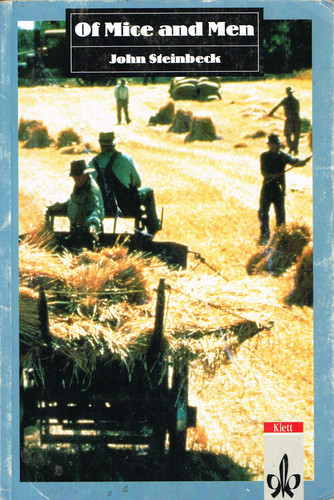
In the harsh landscape of Depression-era California, two migrant workers, George Milton and Lennie Small, move from ranch to ranch, bound together by a shared dream. George is small, quick-witted, and serves as protector to the giant, childlike Lennie, whose immense strength is matched only by his inability to control it. They imagine a future where they own a small piece of land, a place of their own where they can finally belong. This vision of independence and peace pushes them through a life of lonely, back-breaking labor.
When they find work on a ranch in the Salinas Valley, their long-held dream feels tantalizingly close to reality. But the new environment presents unforeseen challenges and volatile personalities that threaten to unravel their plans. The story explores the nature of friendship, the ache of loneliness, and the fragile hope of a better life. It is a stark look at a world where the greatest plans can be undone in an instant, revealing the profound complexities of mercy and human connection in the face of hardship.
When they find work on a ranch in the Salinas Valley, their long-held dream feels tantalizingly close to reality. But the new environment presents unforeseen challenges and volatile personalities that threaten to unravel their plans. The story explores the nature of friendship, the ache of loneliness, and the fragile hope of a better life. It is a stark look at a world where the greatest plans can be undone in an instant, revealing the profound complexities of mercy and human connection in the face of hardship.
Subjects
- Kindle Store
- Categories
- Kindle eBooks
- Travel
- Reference
- Literature & Fiction
- Genre Fiction
- Mystery, Thriller & Suspense
- Thrillers & Suspense
- Suspense
- Subjects
- Literary
- Self-Help
- Action & Adventure
- Fantasy
- Historical
- Self Service
- Arborist Merchandising Root
- Science & Math
- Education & Teaching
- Schools & Teaching
- Romance
- Political
- Coming of Age
- Contemporary
- United States
- Crime
- Kindle Short Reads
- Small Town & Rural
- Friendship
- Specialty Boutique
- New, Used & Rental Textbooks
- Dramas & Plays
- Fiction
- Juvenile Fiction
- Examinations
- Classics
- Education
- Performing Arts
- American fiction (fictional works by one author)
- Literary Collections
- Fiction, general
- Children's fiction
- Fiction, fantasy, general
- AMERICAN FICTION (FICTIONAL WORKS BY ONE AUTHOR)
- California
- Technology
- Loners & Outcasts
- Linguistics
- Modern fiction
- English as a Second Language
- Classic Literature
- Words, Language & Grammar
- Fiction - General
- Audio Adult: Books On Tape
- Foreign Language Study
- Social Themes
- People & Places
- Thrillers
- Juvenile Nonfiction
- Disabilities
- American
- Drama
- 20th Century
- Young Adult Fiction
- Urban
- LGBTQ+
- Gay
- Fiction, psychological
- Spanish language
- Large type books
- World Literature
- Readers
- American literature
- Romans, nouvelles
- Historical fiction
- Unabridged Audio - Misc.Nonfiction
- FICTION
- Study guides
- CALIFORNIA_FICTION
- Careers
- Friendship, fiction
- Audiobooks
- Classic fiction
- Boys & Men
- Unabridged Audio - Fiction/General
- Men
- Ficción
- Comic books, strips
- American fiction
- Étude et enseignement
- Literary Criticism & Collections
- Roman
- Farm life
- Mice
Original edition
Of Mice and MenOriginally published in 1937 English Bantam Books
Other editions (165)



Listen to the summary Narrated summary
There is a suspicion, perhaps one you've held since childhood, that this world is not the only one. You feel it in the quiet moments - a sense that this ludicrous, charming, and often thin excuse for a universe can't possibly be the main event. It feels more like a rough draft, a temporary substitute before the curtain rises on something more magical, more meaningful, more real. This suspicion is correct. There are, in fact, other worlds than these, and the ways into them are as numerous as the stars you can no longer see.
Sometimes the passage is a matter of science, a technological key turning in a lock you never knew existed. A man might find himself stepping between realities as easily as crossing the street, shifted by a quantum ripple or a flicker in the laws of physics. Other times, the gateway is one of magic, an forgotten door at the back of a closet, a strange tag of graffiti that liquefies under your touch, a path through the woods that wasn't there yesterday. The journey might be to a universe just slightly different, where the Cold War never ended or your long-dead wife is still alive. Or it might be to a place wholly other, a land of talking spiders and scheming roses, where the very laws of nature have been rewritten.
An astronaut named Bado stands on the moon, the Earth a fat crescent in the black sky. He watches the command module, a single brilliant star, cross the zenith. Then there is a shimmer, like a heat haze where no heat can be, and the star simply goes out. His commander, Slade, is gone. The lunar module is gone. The footprints they left in the gray dust have been wiped clean. He is alone on a moon that is not quite his own, a place where history took a different turn. Soon, a woman in a different kind of spacesuit arrives on a different kind of craft. “Welcome to Moon Four,” he will tell her, after another shimmering transition steals her world away, too. He is a castaway not on an island, but adrift on an archipelago of alternate moons, each one a little stranger than the last.
In a cavern deep within the land of Otherways, a girl named Crystal Halloway fights dire bats to protect her friends: a giant, talking spider named Naamen and a rabbit-boy named Chester. This magical world, which she first stumbled into as a child, feels more real to her than the one where she has parents and homework. But every time she visits, the Passage Star shines, offering a way home. Her friends beg her to stay, but she always refuses. "My parents would miss me too much," she says. One night, after returning to her own room, she forgets to hang up the dreamcatcher Naamen gave her. In the dark, a sweet voice wakes her. A round-faced woman with mayfly wings hovers over her bed, a knife in her hand. “I'm the Truth Fairy,” she says, smiling. “Childhoods end. When your baby teeth don't fall out, someone has to pull them.” And with a single, painless cut, she carves away the part of Crystal's heart that remembers the way to Otherways, leaving a hole that will never quite heal.
A young soldier named Ernie Wright, part of an occupying army from our reality, raids an apartment in a version of Brooklyn that lost a different war. There, he confronts a man who shares his name, his parents, his sharp blue eyes, but not his life. This other Ernest Wright is an academic, a teaching assistant surrounded by books. He is everything Ernie is not. The encounter plants a seed of obsession. Days later, Ernie returns, drunk and desperate, seeking not his double but the ghost of a life he never had - a life with a mother who didn't die in childbirth. He is chasing a phantom, a possibility. The meeting ends in a struggle, a gunshot, and Ernie Wright bleeds to death on the floor of his other self's apartment, a casualty of a war fought not between worlds, but within a single, fractured heart.
Sometimes the door is not a grand gateway, but a quiet, personal fissure opened by grief. A man whose wife, Katherine, has died begins to empty his house, piece by piece, until only the bones of their life remain. Walking through the evening streets, drunk on wine and loss, he sees a figure strangling in a patch of congealed, sparkling air. He reaches out to help, and the world whites out in a sheet of pain. When he comes to, he is back in his own house, but it is no longer empty. There are curtains in the windows. Someone is humming in the kitchen. And then Katherine walks into the room, alive and whole. “Is that you, love?” she asks, and for a heart-stopping moment, he is home. Then another man walks in - himself, the man who belongs here, the man whose wife never died. The joy is a brief, cruel illusion before men in white jumpsuits appear to correct the error, to put him back in his own empty house, in his own empty world.
These are but a few of the paths. Elsewhere, a young woman's graffiti tag is a portal to a fae underworld where her brother is trapped in a deadly bargain. A man discovers a video store, Impossible Dreams, that appears for only an hour each night, its shelves stocked with films that were never made in his world - Kubrick's *A.I.*, Tim Burton's *Superman*. A television show called *The Library*, broadcast on no known channel, tells the story of a magician named Fox, and its fans wonder if the show is a fiction or a documentary from another reality. Each world is a story, a song, a variation on a theme.
They are infinite, these other worlds, and they are closer than you think. They exist in the corner of your eye, in the flicker of a television screen, in the sudden, jarring feeling that the life you are living is not the only one you have. The people who travel them are explorers and fugitives, lovers and ghosts, each one searching for a home, a truth, or a self they lost along the way. They are reminders that for every path taken, countless others were not, and that somewhere, in another world, a different version of you is just now looking up, wondering if there might be more to this life than what they can see.
Sometimes the passage is a matter of science, a technological key turning in a lock you never knew existed. A man might find himself stepping between realities as easily as crossing the street, shifted by a quantum ripple or a flicker in the laws of physics. Other times, the gateway is one of magic, an forgotten door at the back of a closet, a strange tag of graffiti that liquefies under your touch, a path through the woods that wasn't there yesterday. The journey might be to a universe just slightly different, where the Cold War never ended or your long-dead wife is still alive. Or it might be to a place wholly other, a land of talking spiders and scheming roses, where the very laws of nature have been rewritten.
An astronaut named Bado stands on the moon, the Earth a fat crescent in the black sky. He watches the command module, a single brilliant star, cross the zenith. Then there is a shimmer, like a heat haze where no heat can be, and the star simply goes out. His commander, Slade, is gone. The lunar module is gone. The footprints they left in the gray dust have been wiped clean. He is alone on a moon that is not quite his own, a place where history took a different turn. Soon, a woman in a different kind of spacesuit arrives on a different kind of craft. “Welcome to Moon Four,” he will tell her, after another shimmering transition steals her world away, too. He is a castaway not on an island, but adrift on an archipelago of alternate moons, each one a little stranger than the last.
In a cavern deep within the land of Otherways, a girl named Crystal Halloway fights dire bats to protect her friends: a giant, talking spider named Naamen and a rabbit-boy named Chester. This magical world, which she first stumbled into as a child, feels more real to her than the one where she has parents and homework. But every time she visits, the Passage Star shines, offering a way home. Her friends beg her to stay, but she always refuses. "My parents would miss me too much," she says. One night, after returning to her own room, she forgets to hang up the dreamcatcher Naamen gave her. In the dark, a sweet voice wakes her. A round-faced woman with mayfly wings hovers over her bed, a knife in her hand. “I'm the Truth Fairy,” she says, smiling. “Childhoods end. When your baby teeth don't fall out, someone has to pull them.” And with a single, painless cut, she carves away the part of Crystal's heart that remembers the way to Otherways, leaving a hole that will never quite heal.
A young soldier named Ernie Wright, part of an occupying army from our reality, raids an apartment in a version of Brooklyn that lost a different war. There, he confronts a man who shares his name, his parents, his sharp blue eyes, but not his life. This other Ernest Wright is an academic, a teaching assistant surrounded by books. He is everything Ernie is not. The encounter plants a seed of obsession. Days later, Ernie returns, drunk and desperate, seeking not his double but the ghost of a life he never had - a life with a mother who didn't die in childbirth. He is chasing a phantom, a possibility. The meeting ends in a struggle, a gunshot, and Ernie Wright bleeds to death on the floor of his other self's apartment, a casualty of a war fought not between worlds, but within a single, fractured heart.
Sometimes the door is not a grand gateway, but a quiet, personal fissure opened by grief. A man whose wife, Katherine, has died begins to empty his house, piece by piece, until only the bones of their life remain. Walking through the evening streets, drunk on wine and loss, he sees a figure strangling in a patch of congealed, sparkling air. He reaches out to help, and the world whites out in a sheet of pain. When he comes to, he is back in his own house, but it is no longer empty. There are curtains in the windows. Someone is humming in the kitchen. And then Katherine walks into the room, alive and whole. “Is that you, love?” she asks, and for a heart-stopping moment, he is home. Then another man walks in - himself, the man who belongs here, the man whose wife never died. The joy is a brief, cruel illusion before men in white jumpsuits appear to correct the error, to put him back in his own empty house, in his own empty world.
These are but a few of the paths. Elsewhere, a young woman's graffiti tag is a portal to a fae underworld where her brother is trapped in a deadly bargain. A man discovers a video store, Impossible Dreams, that appears for only an hour each night, its shelves stocked with films that were never made in his world - Kubrick's *A.I.*, Tim Burton's *Superman*. A television show called *The Library*, broadcast on no known channel, tells the story of a magician named Fox, and its fans wonder if the show is a fiction or a documentary from another reality. Each world is a story, a song, a variation on a theme.
They are infinite, these other worlds, and they are closer than you think. They exist in the corner of your eye, in the flicker of a television screen, in the sudden, jarring feeling that the life you are living is not the only one you have. The people who travel them are explorers and fugitives, lovers and ghosts, each one searching for a home, a truth, or a self they lost along the way. They are reminders that for every path taken, countless others were not, and that somewhere, in another world, a different version of you is just now looking up, wondering if there might be more to this life than what they can see.
What other readers say
Liked
John Steinbeck's "Of Mice and Men" is widely praised for its masterful writing, which creates a powerful and emotionally impactful narrative despite its brevity. Reviewers consistently highlight the book's ability to draw readers into its world, evoking deep empathy for its complex and well-developed characters, particularly the central duo. The prose is frequently described as breathtaking and touching, setting an eerie yet profound tone that explores universal themes such as dreams, friendship, loyalty, and the pervasive loneliness of the human condition. Many found the story to be a deserving classic that prompts significant reflection on social issues and human nature, making it a compelling read that lingers long after the final page.
Disliked
However, the reviews also point to several aspects that some readers found challenging. A significant critique revolves around the portrayal of female characters, with some feeling that Curley's wife, in particular, is handled with a "blame-the-victim mentality" and is reduced to a symbol of trouble rather than a fully fleshed-out individual. The book's overwhelmingly dark and miserable atmosphere was another common point of contention, with readers acknowledging its profound impact but admitting they did not "enjoy" the somber experience. Some also found the exploration of racism and the bleak outlook for the marginalized to be difficult to stomach, contributing to the overall sense of despair.
In short
In conclusion, "Of Mice and Men" is celebrated as a powerful and profoundly moving classic, lauded for its exceptional character development, rich symbolism, and masterful prose that captures the harsh realities of its setting. While its dark and often heartbreaking nature, along with its controversial portrayal of some characters, may not make for an "enjoyable" read in the traditional sense, its impact is undeniable. This book is highly recommended for readers who appreciate deeply emotional and thought-provoking literature, those interested in powerful explorations of friendship, societal injustice, and the fragility of dreams, and anyone looking for a short yet intensely memorable narrative that stimulates discussion and leaves a lasting impression.
No reviews yet. Be the first.