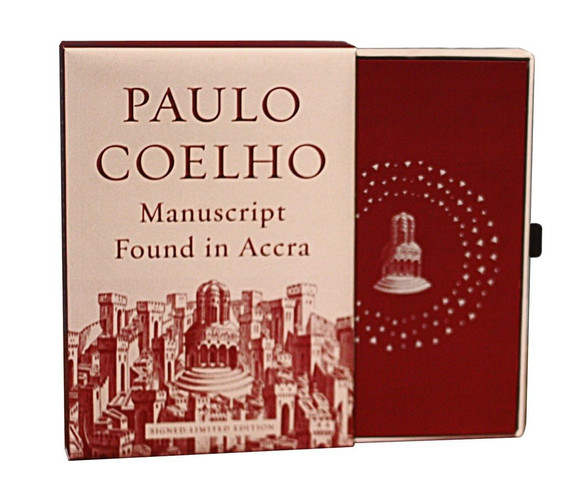
The air in Jerusalem hung heavy, thick with the dust of ages and the unspoken dread of the morrow. It was the fourteenth of July in the year 1099, and outside the city gates, the Crusader siege towers stood poised, ready to unleash their fury at dawn. Inside, a desperate peace had settled, as men and women of every faith – Muslim, Jew, and Christian – gathered, their differences momentarily forgotten in the face of shared annihilation. They had come to hear a mysterious figure, an elderly Greek known simply as the Copt.
The Copt stood before them, his gaze calm amidst the palpable fear. He spoke not of military strategy or escape routes, but of the eternal questions that haunt the human heart. "Tomorrow, harmony will become discord," he began, his voice a low, steady current against the rising tide of anxiety. "Joy will be replaced by grief. Peace will give way to war. None of us can know what tomorrow will hold, for each day has its good and its bad moments. So, when you ask your questions, forget about the troops outside and the fear inside. Our task is not to leave a record of what happened on this date for those who will inherit the Earth; history will take care of that. Therefore, we will speak about our daily lives, about the difficulties we have had to face."
A woman, her eyes wide with apprehension, stepped forward. "Speak to us of defeat," she pleaded, her voice barely a whisper. The Copt nodded, his wisdom flowing like an ancient river. He explained that in the cycle of nature, there is no such thing as victory or defeat, only movement. Losing a battle, he said, can reveal a hidden strength within, a resilience that deepens self-respect. True failure, he asserted, is a choice, a lifetime commitment to never fighting, never risking, never truly living. Defeat, however, is merely a pause before launching into another battle, a valiant step for those who, despite their fears, continue to live with enthusiasm and faith.
Another voice rose from the throng: "Tell us of love." The Copt smiled gently. Love, he revealed, is not an absence, but solitude. Without solitude, love cannot stay, for it needs rest to journey through the heavens and manifest in new forms. It is the time when the soul speaks, guiding one on their path. He spoke too of relationships, stressing the importance of surrounding oneself with allies who believe in one's true self, for these connections form the foundation of success and provide solace in challenging times.
As the hours dwindled, the questions continued, each one a thread woven into the fabric of their shared humanity. They asked about sex, about beauty, about loyalty and betrayal, about courage in the face of the unknown. The Copt addressed each query with parables and insights drawn from universal truths, transcending the specific doctrines of their faiths. He spoke of authenticity, advising against striving for conventional usefulness, but rather to live genuinely. He affirmed that the greatest goal in life is to love, and all else is but silence.
He spoke of fear and anxiety, acknowledging them as inherent parts of the human condition. Just as one learns to live with storms, he said, so too must one learn to live with anxiety, for it cannot be mastered. It is a part of the journey, a constant companion that, though unsettling, does not diminish the spirit.
With each answer, the Copt illuminated the path to inner strength, reminding them that the source of who they are, what they fear, and what they hope for the future lies within themselves, not in the adversity that surrounds them. He emphasized that true peace resides not in the absence of chaos, but in the tranquility of a soul at peace at the end of each day.
As the first faint light of dawn threatened to pierce the eastern sky, signaling the imminent attack, the Copt concluded his teachings. He had imparted a profound message: that even on the precipice of destruction, certain human values endure. The wisdom shared within those ancient walls, though whispered on the eve of a siege, would echo through generations, a testament to the resilience of the human spirit. For even if Jerusalem were to fall, the principles that shape everyday lives and the profound truths of the human heart would survive, passed down through the ages like a precious manuscript, waiting to be rediscovered.