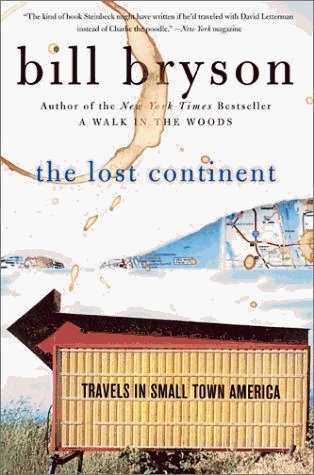
Motel Blues
by Bill Bryson
- First published 1989
- 416 pages
- French
Embark on a sprawling journey across late 1980s America with Bill Bryson as he traverses nearly 14,000 miles in search of the quintessential small town of his youth. Beginning in his childhood home of Des Moines, Iowa, Bryson meticulously avoids major tourist traps, venturing instead into the forgotten corners and everyday landscapes of a nation in flux. His quest is not just for a place, but for a nostalgic echo of a simpler time, spurred by the recent loss of his father and a yearning for an America that feels increasingly elusive.
Through witty observations and an often-acerbic wit, Bryson illuminates the quirks and charms of the people and places he encounters, revealing a continent grappling with urbanization, commercialization, and the fading of its unique regional character. As he navigates through diners, motels, and endless stretches of highway, his humorous anecdotes are underscored by a poignant reflection on memory, change, and the elusive nature of home. This travelogue offers an insightful, often hilarious, and ultimately heartfelt look at America through the eyes of a returning native, inviting readers to ponder what defines a nation and what is truly lost to the past.
Through witty observations and an often-acerbic wit, Bryson illuminates the quirks and charms of the people and places he encounters, revealing a continent grappling with urbanization, commercialization, and the fading of its unique regional character. As he navigates through diners, motels, and endless stretches of highway, his humorous anecdotes are underscored by a poignant reflection on memory, change, and the elusive nature of home. This travelogue offers an insightful, often hilarious, and ultimately heartfelt look at America through the eyes of a returning native, inviting readers to ponder what defines a nation and what is truly lost to the past.
- Genres
- Nonfiction › Travel › Travel writingNonfiction › Biography & memoir › BiographyNonfiction › Travel › Travel guidesNonfiction › Biography & memoir › MemoirNonfiction › Society & culture › Media & communication
- Themes
- Travel & journeys
- Mood
- Funny
- Where and when
- United States Europe
- Style
- Form: Essays
What readers say
3.80
66K ratings across the web 7 in 10 readers loved it, 1 didn't like it
Reviewers who enjoyed "The Lost Continent" frequently commend its distinctive, sarcastic humor and witty observations, finding it a refreshing and honest portrayal of American small towns. Many appreciated the author's willingness to critique his native country, delivering laughs through his wry views on places and people. The book is noted for its expressive descriptions that bring locations to life, and some readers found the author's critical lens to be both entertaining and a surprisingly accurate depiction of America's built environment and the prevailing societal mood of the late 1980s. For these readers, the narrative offers an engaging armchair travel experience, punctuated by intriguing historical and geographical details, and a unique, often hilarious, perspective. Some also noted that the author's cynical approach, while sometimes harsh, felt authentic and provided a different kind of insight into the regions visited.
Conversely, a significant number of reviewers found the book to be overwhelmingly negative, mean-spirited, and tiresome. They describe the author's tone as constant complaining and whining, characterized by offensive remarks, casual misogyny, and a general lack of respect for the people and places encountered. Critics frequently cite the use of derogatory names for towns and residents, often portraying Americans as unintelligent or overweight, without engaging in meaningful conversations or seeking genuine understanding of local cultures. Many found the humor to be unfunny, immature, and poorly aged, leading to a repetitive narrative that focuses more on the author's personal dissatisfaction and perceived elitism than on providing valuable insights or positive experiences of the journey. The author is often criticized for his un-curious approach, frequently dismissing places as "boring" after brief observations and failing to appreciate significant landmarks.
"The Lost Continent" elicits sharply divided opinions, with some considering it a unique and entertaining travelogue and others deeming it deeply disappointing. While some readers appreciate the author's candid, albeit critical, voice and his ability to generate laughs from mundane or dismal situations, others are alienated by what they perceive as an overly cynical, condescending, and at times insensitive narrative. The book is often noted as an early work in the author's career, with some reviewers suggesting his style mellowed in subsequent publications, though a few found a slight shift in tone towards the end of this book. This travelogue would primarily appeal to readers who enjoy highly sarcastic and observational writing, are not easily offended by strong criticism, and are open to a grumpy, unvarnished perspective on American small towns. However, those seeking a warm, empathetic, or deeply informative exploration of American culture and its people may find themselves profoundly disappointed by its overall tone and approach.
Reviews
No reviews yet. Be the first.
Details & editions
- This edition
- PAYOT, 2003
- ISBN
- 9782228897358
- ISBN-10
- 2228897353
- Language
- French
Original edition The Lost Continent Originally published in 1989 · English · Secker & Warburg