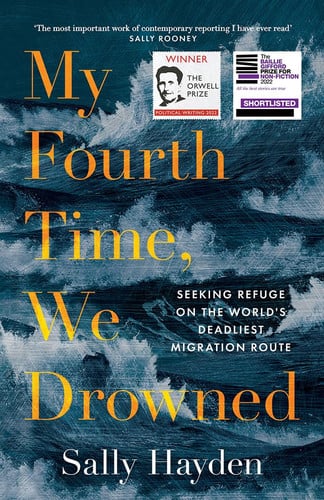
A chilling message arrived on a journalist's phone, breaking through the ordinary hum of daily life: "Hi sister Sally, we need your help. We are under bad condition in Libya prison. If you have time, I will tell you all the story." This desperate plea, from an Eritrean refugee trapped in a Libyan detention center, marked the accidental beginning of an extraordinary investigation into a human rights catastrophe of epic proportions. It pulled back the curtain on a hidden world where individuals, fleeing war, famine, and ethnic violence, found themselves ensnared in a brutal system of human smuggling, political maneuvering, and international indifference.
The journey for these refugees often begins in East Africa, a perilous path through Sudan that promises, but rarely delivers, safe passage to Europe across the Mediterranean. Instead, many find their hopes dashed in Libya, a country fractured by a collapsed government and warring militias. Here, they become pawns, caught in a web where smugglers may sell them to militia groups for ransom, or traffickers seize them, forcing them into unimaginable suffering. The conditions within these detention centers are dire: overcrowded, unsanitary, and rife with abuse, torture, and disease. Yet, within these walls, amidst the despair, stories of resilience emerge - of individuals finding love, supporting one another, and enacting small acts of resistance to survive a system designed to silence and erase them.
The narrative unfolds through the experiences of these individuals, revealed through their clandestine messages and the painstaking verification of their stories. One such story is that of Essey from Eritrea, whose multi-year escape from danger ultimately leads him to a smuggler's rubber boat. His journey, like countless others, encapsulates the profound will to survive and the desperate hope for safety that drives these migrations. "I was caught by the Libyan coastguard three times... And my fourth time, we drowned. And the fifth time, I made it to safety," a Somali refugee recounts, a testament to the unimaginable odds faced and the relentless pursuit of a better life.
The investigation lays bare the devastating complicity of international bodies. The European Union's funding of Libyan Coast Guard interceptions, for instance, actively prevents migrants from reaching European shores, effectively circumventing international laws that prohibit returning people to dangerous homelands. The United Nations and various NGOs, intended as beacons of hope, are revealed to be ineffective, at times even implicated in the human rights violations they are meant to prevent. Their actions, or lack thereof, contribute to a cycle of detention, extortion, and abuse, trapping thousands in a modern-day slave trade.
Through meticulous reporting, the full scope of this humanitarian disaster is brought to light, detailing the economics of the twenty-first-century slave trade, the trials of people smugglers, and the frustrations of aid workers caught in a broken system. The role of social media, paradoxically, becomes both a tool for crowdfunding ransoms and a lifeline for those seeking help, allowing their voices to reach the outside world. This intimate portrait of life for the detainees, coupled with a damning indictment of the institutions meant to protect them, paints a stark picture of a world that has largely turned its back on those in desperate need.
The stories within these pages are a testament to the profound human desire for freedom and safety, even in the face of unimaginable suffering. They are stories of individuals who, despite being locked up for years, manage to forge connections, fall in love, and find ways to resist a system that seeks to render them invisible. While the question of hope lingers throughout, there are fleeting glimpses of success, like Essey making it to Luxembourg, offering a poignant reminder that even in the deepest abysses of humanity, the will to survive can sometimes prevail.