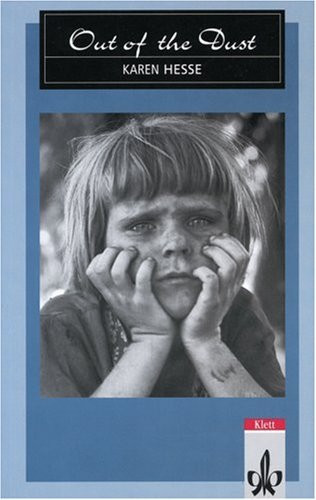
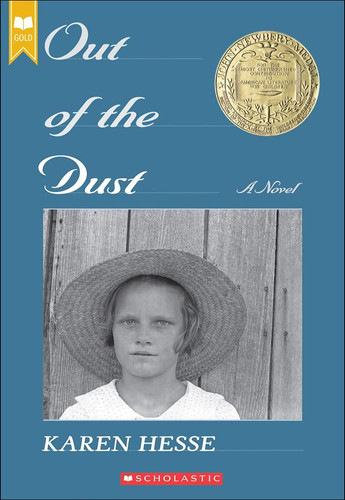
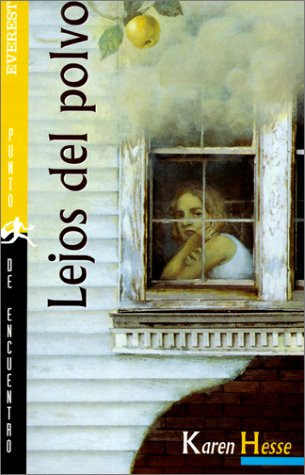
Positives Many reviewers praise Karen Hesse's Out of the Dust as a poignant and powerful coming-of-age story set against the backdrop of the Oklahoma Dust Bowl. Its unique blank verse format is frequently highlighted as a strength, with many finding it evocative, beautifully written, and perfectly suited to conveying the spare landscape and the protagonist's emotional journey. This style is often described as making the historical setting and the character's internal world feel tangible and deeply personal. Readers found the book to be an impactful work of historical fiction, offering a direct and emotional understanding of human endurance during a challenging period. It is often noted for its ability to teach about the Dust Bowl era and the resilience of the human spirit, making a lasting impression on readers of various ages.
Negatives However, the book also elicits strong negative reactions, primarily due to its overwhelmingly depressing and often gruesome subject matter. Some readers found the story "infinitely depressing" to the point of being unbearable, with one reviewer calling it "the saddest and worst book I've ever read." The blank verse writing style, while praised by some, was a significant detractor for others, described as distracting, contrived, or even "boring." Critics also felt that the characters lacked personality, finding them flat or even "unlikable." The narrative was sometimes perceived as dragging and melodramatic, leading some to believe the story could have been told in far fewer pages. The sheer weight of tragedy and hardship, though historically accurate, was too much for some readers to engage with, making it a difficult and unpleasant experience.
Conclusion Overall, Out of the Dust is a highly polarizing book, celebrated by many for its emotional depth and unique artistic merit, while simultaneously criticized for its intense sadness and unconventional style. It is recommended for readers interested in a deeply personal and emotionally resonant account of the Dust Bowl and the Great Depression, particularly those who appreciate experimental narrative forms like verse novels. It serves as a valuable historical complement and a story of profound human endurance, appealing to young adult readers and adults alike who are prepared for a challenging and often somber journey. However, those who prefer lighter narratives, traditional prose, or wish to avoid intensely tragic themes may find this book difficult to finish.
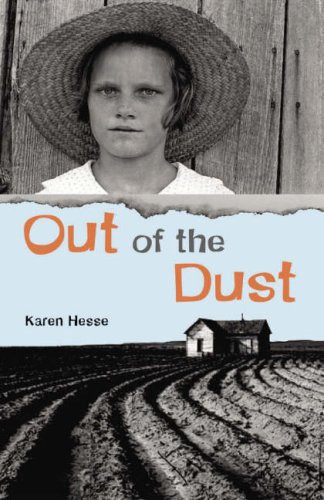


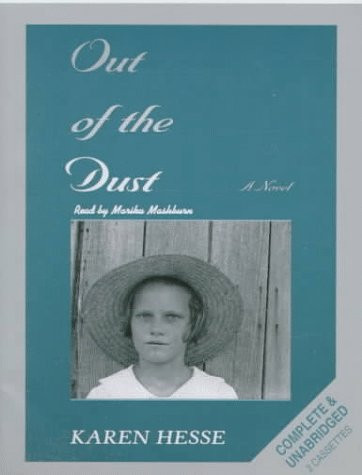

![Out of the dust: [a novel]](https://images.isbndb.com/covers/8320853482344.jpg)