PACK (OMERTA + EL ULTIMO DON)
- First published 1989
- 320 pages
- Spanish
- Classic
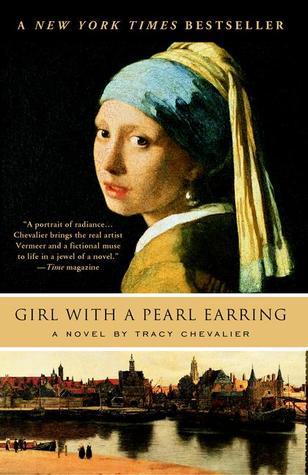
In the rigidly structured world of seventeenth-century Delft, Holland, sixteen-year-old Griet's life is upended when a family tragedy forces her to become a maid in the household of the painter Johannes Vermeer. Thrust into a chaotic Catholic home, the quiet Protestant girl must navigate the tensions of a world she doesn't understand, from the painter's shrewd mother-in-law to his volatile wife and their jealous servant. Griet's keen eye and quiet sensitivity, however, do not go unnoticed by the master of the house.
What begins as a simple duty cleaning Vermeer's studio slowly evolves into a secret and complex relationship. As Griet is drawn deeper into the painter's artistic world, she becomes not just an assistant but a source of inspiration, leading to the creation of one of the most enigmatic portraits in history. This historical novel imagines the story behind the famous painting, exploring the unspoken connection between an artist and his muse, and the dangerous scandal that threatens to consume them both.
What begins as a simple duty cleaning Vermeer's studio slowly evolves into a secret and complex relationship. As Griet is drawn deeper into the painter's artistic world, she becomes not just an assistant but a source of inspiration, leading to the creation of one of the most enigmatic portraits in history. This historical novel imagines the story behind the famous painting, exploring the unspoken connection between an artist and his muse, and the dangerous scandal that threatens to consume them both.
What readers say
3.94
800K ratings across the web 7 in 10 readers loved it, 1 didn't like it
Reviewers largely commend the novel for its immersive and evocative portrayal of 17th-century Delft, Holland. Many appreciated the rich historical details, which successfully transported them to the canal-lined streets and daily life of the period. The book is lauded for its unique premise, creatively imagining the story behind a famous painting and offering fascinating insights into the art world, including the meticulous process of paint making, the use of color, and the interplay of light. Griet, the protagonist, is frequently praised as a strong, honorable, and relatable character whose journey of growth and resilience in a challenging household resonates with readers. The writing style is often described as well-crafted, fluid, and subtle, drawing readers into the narrative and making it a quick and engaging read that can evoke deep emotion and a sense of longing.
Despite its strengths, the novel also drew criticism from some readers. A common complaint centered on the pacing, with some feeling that "very little happened" and the plot was too slow, predictable, or lacking in significant dramatic events. Many reviewers found the character development to be insufficient, particularly for Vermeer, who often remains an enigma. Griet herself was sometimes perceived as a "stock" character or, conversely, as an unlikable "Mary Sue" due to the perceived unrealistic adoration from male characters and her seemingly innate brilliance. The prose was occasionally described as clunky, pedestrian, or overly simplistic, with issues noted regarding obvious foreshadowing, repetitive similes, and a tendency to tell rather than show. Some also felt the ending was abrupt or unsatisfying, and that the book ultimately lacked the depth or emotional impact they had anticipated.
Overall, the book is considered a compelling work of historical fiction that successfully builds a fictional narrative around an iconic piece of art. While it may not satisfy those seeking high drama or profound character introspection, it excels at creating a vivid historical atmosphere and exploring the subtle dynamics of power and class. This novel is highly recommended for readers who enjoy light historical fiction, are interested in the Dutch Golden Age, or have a particular fascination with art, artists, and the technical aspects of painting. It is also suitable for those who appreciate a quiet, reflective story and a quick, engaging read, especially if they enjoyed the film adaptation and wish to delve deeper into the imagined origins of the painting.
Reviews
No reviews yet. Be the first.
Details & editions
- This edition
- Punto de Lectura, 2002
- ISBN
- 9788466307888
- Language
- Spanish
Original edition La Joven de La Perla Originally published in 1989 · English · Tusquets