Primavera silenciosa
- First published 1972
- 328 pages
- Portuguese
- Classic
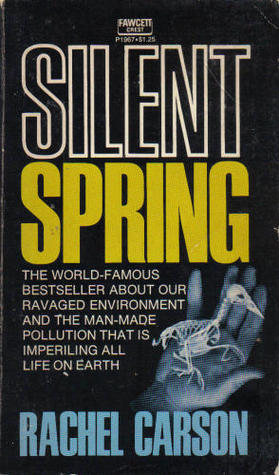
Imagine a world where the songs of birds are absent, replaced by an eerie quiet. This chilling possibility forms the opening of Rachel Carson's seminal work, "Silent Spring," which meticulously documents the widespread environmental damage caused by the indiscriminate use of synthetic pesticides. Published in 1962, the book presents a scientifically rigorous argument that these chemicals, once hailed as advancements, disrupt the delicate balance of nature and pose profound threats to wildlife, ecosystems, and human health.
Carson, a marine biologist, draws on extensive research to reveal how pesticides, such as DDT, permeate soil, water, and the food chain, leading to unforeseen consequences for all living organisms. She champions the concept of "deep ecology," illustrating the interconnectedness of life and arguing that humanity's attempt to control nature without understanding these complex systems leads to perilous outcomes. "Silent Spring" sparked a national debate, confronting powerful chemical industries and ultimately igniting the modern environmental movement, urging readers to reconsider their role as stewards of the planet.
Carson, a marine biologist, draws on extensive research to reveal how pesticides, such as DDT, permeate soil, water, and the food chain, leading to unforeseen consequences for all living organisms. She champions the concept of "deep ecology," illustrating the interconnectedness of life and arguing that humanity's attempt to control nature without understanding these complex systems leads to perilous outcomes. "Silent Spring" sparked a national debate, confronting powerful chemical industries and ultimately igniting the modern environmental movement, urging readers to reconsider their role as stewards of the planet.
What readers say
4.06
58K ratings across the web 8 in 10 readers loved it
Rachel Carson's book is widely hailed as a groundbreaking and revolutionary work that profoundly impacted environmental awareness and policy. Reviewers consistently praise its eloquent, poetic, and accessible writing style, which masterfully blends scientific accuracy with vivid, often frightening, descriptions without resorting to alarmism. The book is lauded for its thorough research and methodical approach to dismantling prevailing arguments, effectively highlighting the interconnectedness of nature and the moral dimensions of human actions. Many readers found it inspiring, crediting it with catalyzing the modern environmental movement, influencing the establishment of protective agencies, and empowering individuals to become advocates for responsible stewardship. Its prescience and timeless relevance to contemporary environmental issues, along with its hopeful vision for science used in harmony with ecological systems, are frequently emphasized.
However, some reviewers note that certain factual details and scientific understandings within the book are now dated, making parts of the text feel obsolete to a modern audience. A common critique points to the book's repetitive structure and argumentative style, which some found tedious or boring, particularly after the initial chapters. A few readers perceived the book as one-sided or narrow-minded in its focus, suggesting it lacked empathy for the historical context of chemical use or for the challenges faced by farmers. Concerns were also raised about potentially oversimplified views on nature's balance and an overly optimistic stance on biological control methods without fully exploring their potential downsides. Academically, the absence of specific footnotes or a comprehensive bibliography was mentioned as a minor hindrance for detailed research.
Despite these criticisms, the book is overwhelmingly considered a timeless classic and a foundational text for understanding the modern environmental movement. Its core message about human responsibility towards nature and the long-term consequences of unchecked technological progress remains profoundly relevant and urgent today. It is highly recommended for anyone interested in the history of environmentalism, public policy, the intricate balance of ecosystems, or those seeking inspiration to critically evaluate humanity's impact on the planet. The book serves as a powerful call to action, compelling readers to foster a deeper, more vigilant relationship with the natural world.
Reviews
No reviews yet. Be the first.
Details & editions
- This edition
- Gaia, 2013
- ISBN
- 9788575552353
- Language
- Portuguese
Original edition Dode lente Originally published in 1972 · Dutch · Becht