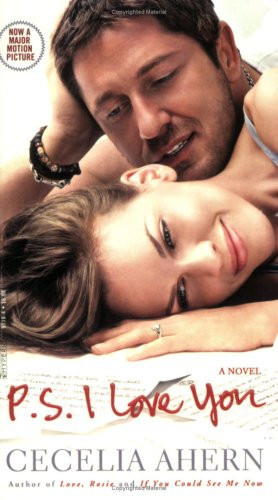
How do you move on after losing the love of your life? For Holly Kennedy, the death of her husband Gerry has shattered her world. She can't imagine a life without the man who was her rock, her best friend, her soulmate. Consumed by a grief that has stolen her present and her future, Holly withdraws from everyone, lost in the memories of the life they were supposed to share. But Gerry, who knew Holly better than anyone, planned for this. On her thirtieth birthday, she receives a package containing a series of letters he wrote for her before he died.
Each letter, delivered monthly and signed "PS, I Love You," contains a task designed to gently push Holly back into the world. Gerry's words become her guide on an unexpected journey of healing, laughter, and self-discovery. As she follows his instructions, from facing her fears to embracing new adventures, Holly begins to learn that a bond this strong can't be broken by death. This story explores the profound nature of grief and the restorative power of a love that endures, posing the question of whether it's possible to find the courage to live again, even when a piece of your heart is gone.
The reviews for this book highlight its capacity to be a deeply moving and heartwarming story for many readers. Positively, the central concept of a deceased husband leaving letters to guide his widowed wife through her grief is widely praised as clever, original, and incredibly romantic. Many found the book to be a beautiful and sweet narrative that effectively explores themes of enduring love and the challenging process of bereavement. Readers often appreciated the emotional impact, describing it as a tear-jerking yet ultimately hopeful journey of healing and self-discovery. The author's writing style was frequently noted as easy to read and engaging, making it an accessible choice for those looking for a comforting story that reminds them of the strength of love and the possibility of finding a new path after loss. The supporting cast of friends and family often added warmth and humor, contributing to the overall appeal.
Disliked
However, a significant number of reviewers expressed disappointment, particularly regarding the book's realism and character development. A common critique is that the portrayal of grief and the timeline for Holly's recovery and "closure" are highly unrealistic, especially for those with personal experience of loss. The protagonist, Holly, is often described as whiny, immature, self-centered, and difficult to sympathize with, with some finding her actions and dialogue more fitting for a much younger person. The writing itself drew criticism for being repetitive, rambling, unsubtle, and sometimes amateurish, with a perceived limited vocabulary. Some reviewers found the plot to be predictable and inconsistent, causing the story to drag and making it a struggle to finish. Additionally, a notable portion of readers who had seen the film adaptation before reading the book preferred the movie, citing significant changes that they felt improved the story and characters.
In short
In conclusion, the book offers a mixed experience, resonating deeply with some while alienating others due to perceived flaws in its execution. It is generally regarded as an emotional and sentimental story about navigating loss and rediscovering life, though its depiction of grief is contentious. This book would likely appeal most to readers who enjoy emotional, romance-oriented contemporary fiction, particularly those who appreciate a hopeful and "feel-good" approach to difficult subjects. It is well-suited for readers looking for an easy, engaging read that prioritizes emotional impact and a journey of self-discovery over strict realism or highly complex character arcs, and for those who may have enjoyed the movie and are curious about the original story.