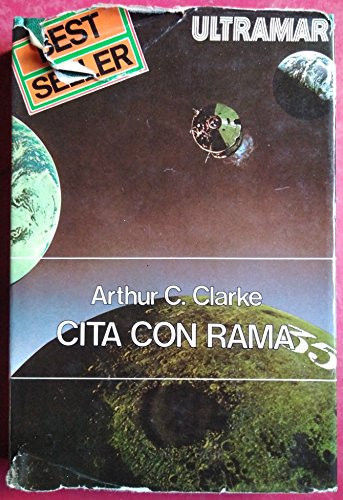
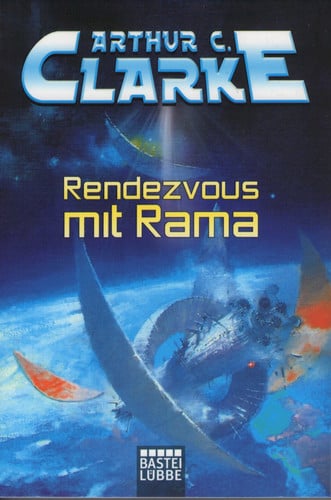
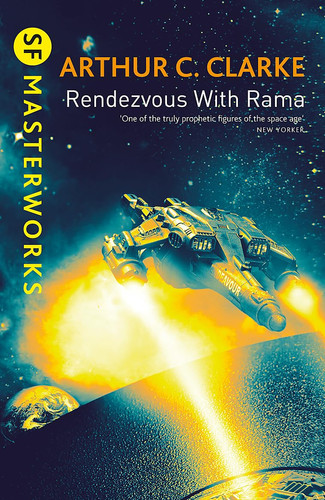
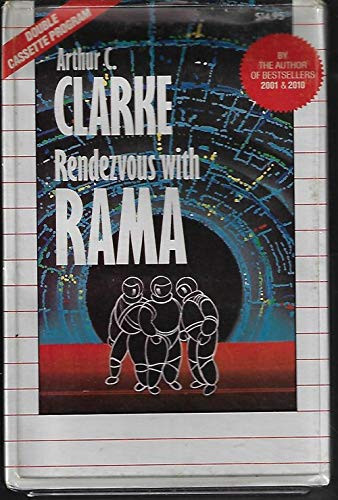
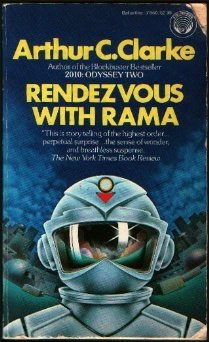
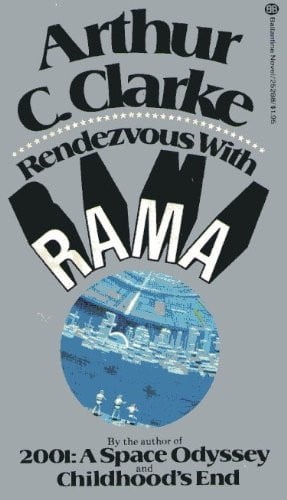
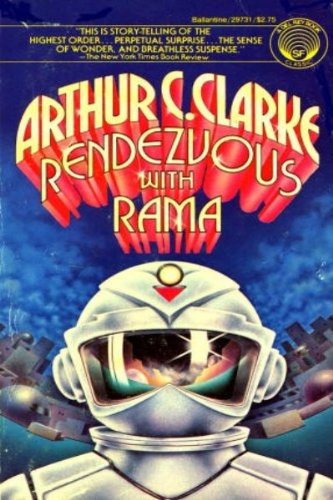
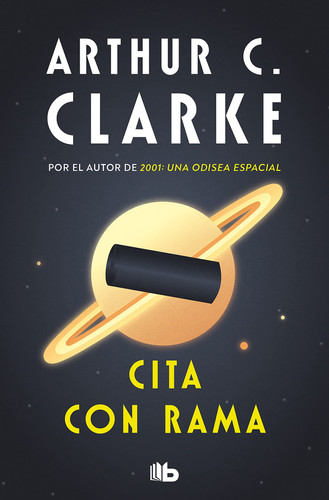
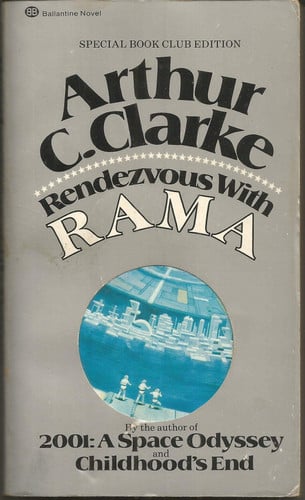
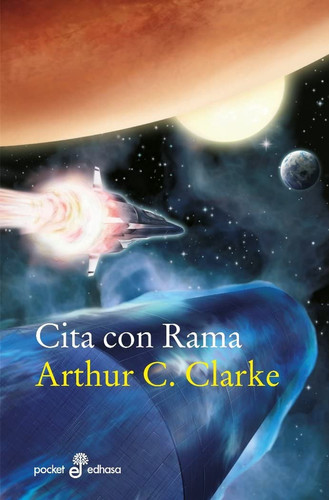
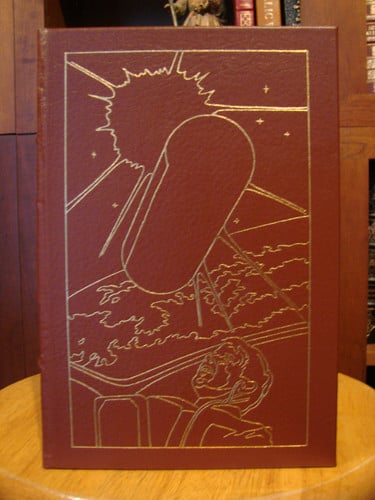
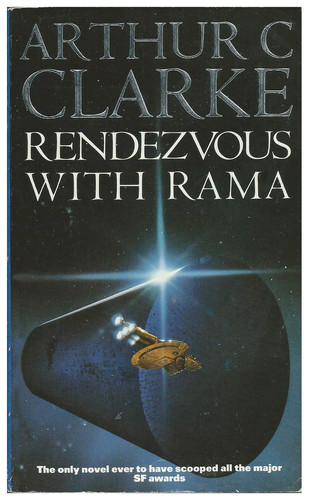
Positives Reviewers widely praise this book as a classic and foundational work of hard science fiction, particularly noted for its central focus on scientific realism and meticulous exploration. Many highlight its enduring relevance, stating it has stood the test of time with its captivating sense of wonder and awe at the mysterious and ultimately unknowable. The novel is celebrated for its unique premise where an enigmatic alien artifact, rather than human characters, serves as the true protagonist, allowing for a deep dive into imaginative alien engineering and environments. Readers appreciate the clear and vivid descriptions, the detailed world-building of the alien vessel, and the author's ability to convey complex scientific concepts in an accessible manner. The pacing is often described as brisk and engaging, with short chapters that make it a compelling and thought-provoking read.
Negatives Despite its strengths, several reviewers point out significant drawbacks, primarily concerning character development and emotional engagement. Characters are often described as thinly sketched, bland, or interchangeable, serving mainly as vehicles for exploration rather than having their own arcs or depth. Some readers found the lack of conventional plot, action, or dramatic tension unsatisfying, leading to a sense of boredom or an anticlimactic ending due to many questions remaining unanswered. Critics also noted instances of outdated social perspectives and problematic elements, such as the portrayal of certain societal norms, which some found distracting or reflective of the era in which it was written. Additionally, while the scientific focus is praised, some felt the prose lacked literary flourish or that the narrative style, at times, felt detached or less conversational than modern science fiction.
Conclusion Ultimately, Rendezvous with Rama is widely considered a landmark work in science fiction, earning praise as a classic and a masterpiece of the hard sci-fi genre. While it may not appeal to readers seeking strong character development, emotional depth, or conventional action, it is highly recommended for those who appreciate detailed scientific speculation, grand-scale cosmic mysteries, and a profound sense of wonder. It particularly resonates with fans of "Big Dumb Object" stories or anyone interested in the meticulous exploration of an utterly alien environment. Despite being the first in a series, many reviewers feel it works well as a standalone novel, with its open-ended conclusion contributing to its enigmatic charm, though some caution against reading the sequels.