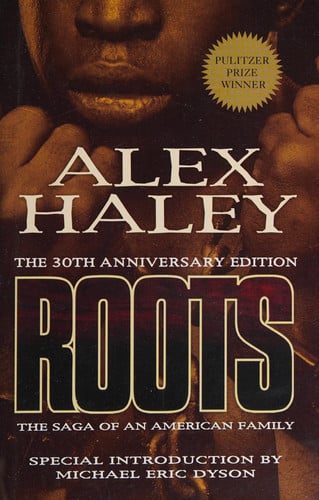
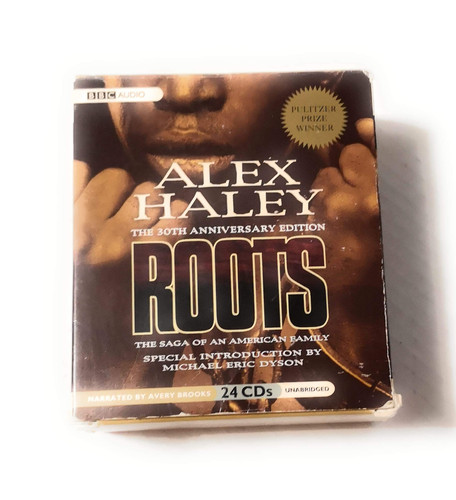
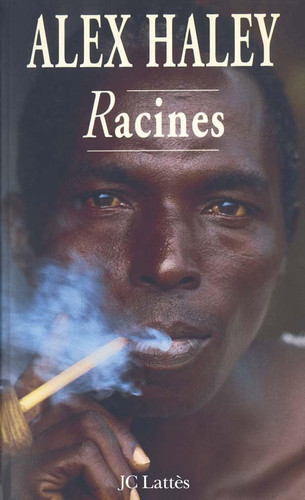
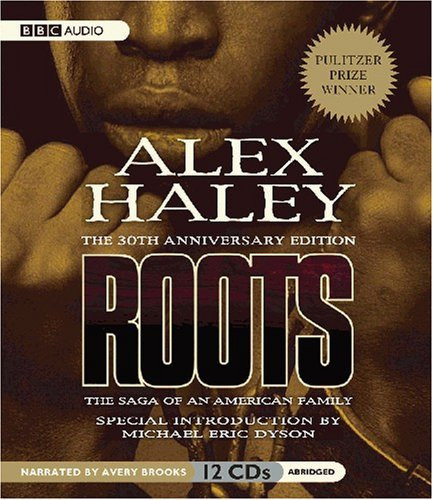
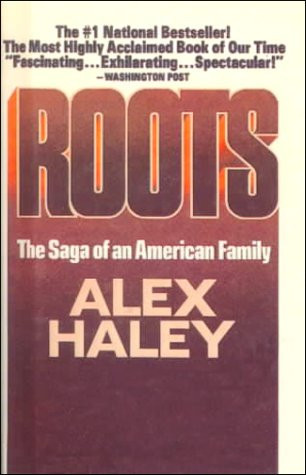
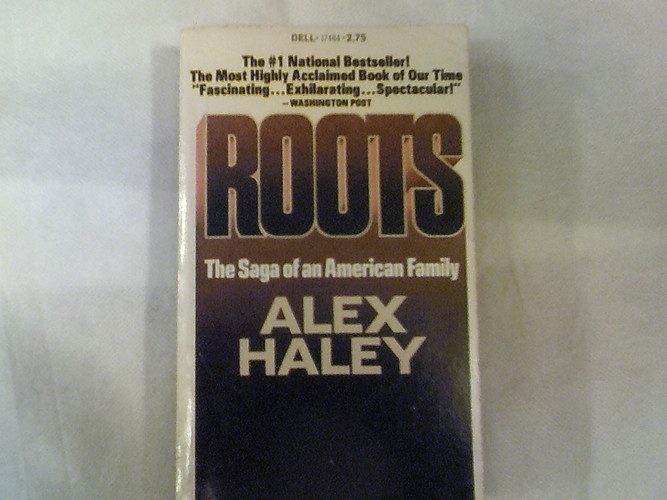
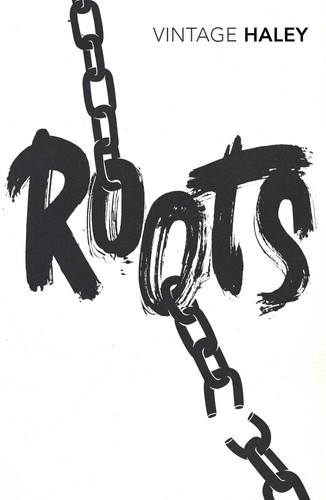
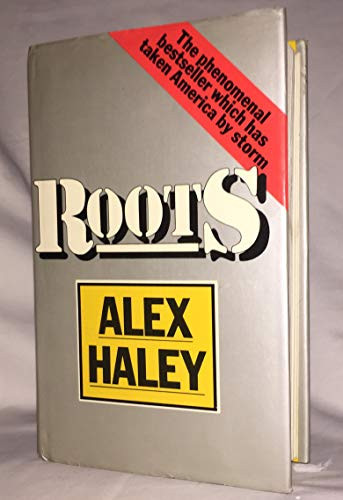
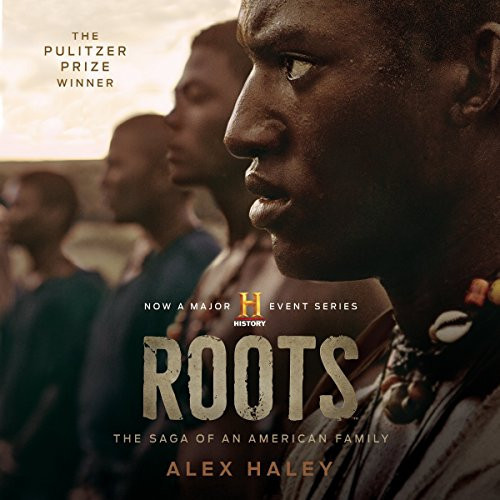
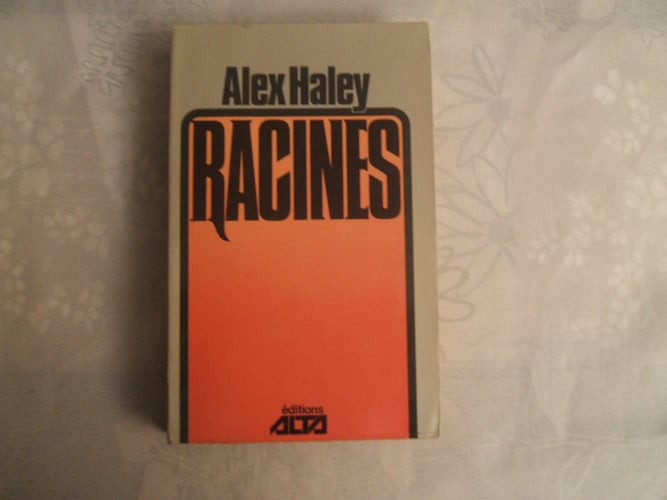
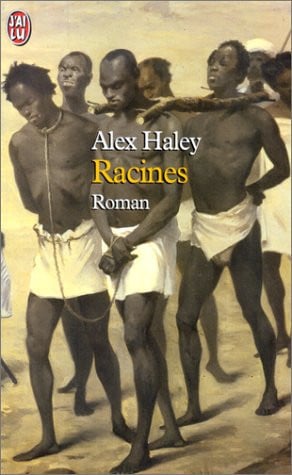
Positives The book is widely praised for its profound emotional impact and its vivid portrayal of the human experience under slavery. Many readers describe it as a deeply moving and unforgettable narrative, particularly the initial chapters depicting Kunta Kinte's life in Africa and the harrowing journey of the Middle Passage. Reviewers highlight its power to immerse them in the story, fostering empathy for the characters' suffering and resilience. The book is seen as an essential read for understanding African culture, the brutal realities of slavery, and the nuanced differences between African-born and American-born enslaved individuals. It is lauded for chronicling the enduring strength of family, courage, and the determination to preserve identity and cultural heritage across generations, making it a crucial contribution to American history and education on race.
Negatives Despite its impactful narrative, the book faces significant criticism regarding its factual accuracy and writing quality. Several reviewers note a decline in narrative brilliance and character development as the story progresses beyond Kunta Kinte's generation, with later sections feeling rushed. Major concerns stem from confirmed plagiarism, as Alex Haley settled a lawsuit over passages lifted from Harold Courlander's "The African," and similar allegations were made regarding Margaret Walker's "Jubilee." This has led some readers to feel misled, especially given the book's claims of being a true genealogical account. Critics also question the historical verification of Haley's ancestral research, including the authenticity of his encounter with a griot in Africa. Furthermore, some reviewers point out historical inaccuracies in the depiction of African religions and the role of Christianity, along with an alleged agenda to promote specific cultural or political viewpoints.
Conclusion Ultimately, "Roots" is regarded as a culturally significant work that, despite its controversies, has had an undeniable impact on the Black community and on raising awareness about the legacy of slavery. Many readers find it a powerful and thought-provoking read that can open new perspectives and spark interest in personal genealogy, offering a symbolic reclaiming of lost ancestral history. It is highly recommended for those seeking an immersive historical saga that delves into the complexities and horrors of slavery and its generational effects. Readers who appreciate long, detailed narratives and are prepared for intense, often graphic content will find this book compelling. However, those who prioritize strictly factual historical accounts, consistent literary prose, or deep character development throughout the entire narrative might approach it with caution.