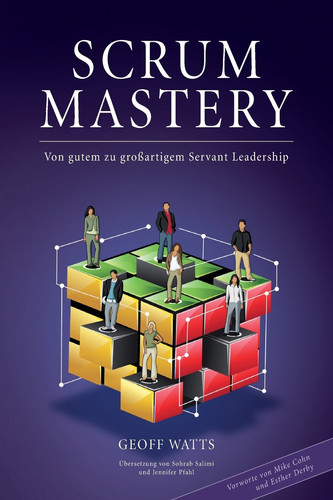
Positives Reviewers largely praise this book as a valuable resource, offering practical, inspiring, and challenging ideas for those in the Scrum Master role and beyond. Many highlight its ability to delve past the basic functions of a Scrum Master, providing refreshingly different insights into leadership and team building that can be applied more broadly. The book is frequently recommended as a must-read for anyone interested in understanding what makes a great Scrum Master, focusing on a human-centered, servant leadership approach. Readers appreciate the numerous real-life examples and anecdotes that bring concepts to life, making the advice accessible and helping them navigate difficult team situations. Its structure, featuring short, easy-to-read chapters, summaries, and quotes, also contributes to an enjoyable reading experience and facilitates self-evaluation against the described characteristics.
Negatives Despite its many strengths, the book receives some criticism. A few reviewers found certain suggestions, such as incorporating games into daily meetings, to be silly or unrealistic for their professional environments. The organization of content around an acronym was noted by some as feeling forced and leading to a collection of somewhat disconnected thoughts rather than a coherent flow. While praised for its insights, some experienced readers felt the content lacked practical depth or presented ideas that were already basic or logical to them, rather than revolutionary. Additionally, some live cases or examples were perceived as overly simplistic, presenting quick fixes without exploring the nuances of team dynamics or feedback loops. Minor complaints also included a few outdated points, and for the physical edition, issues like typos and poor print quality were mentioned, along with subpar translation quality in non-English versions.
Conclusion Overall, the book is widely regarded as a valuable read, particularly for those aspiring to or currently in a Scrum Master role who wish to elevate their practice from good to great. It is recommended for Scrum Masters of all experience levels, from novices seeking foundational understanding to seasoned professionals looking for inspiration and new perspectives. Beyond the specific role, leaders, people managers, and anyone involved in building and coaching teams could benefit from its focus on servant leadership and fostering team growth. While some aspects might be considered basic or less practical by certain readers, the book's strength lies in encouraging self-reflection and a deeper understanding of the mindset and soft skills crucial for effective team facilitation, making it a worthwhile investment for those open to its concepts.