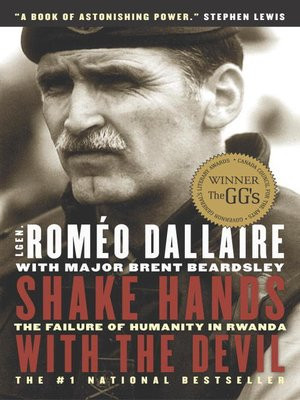
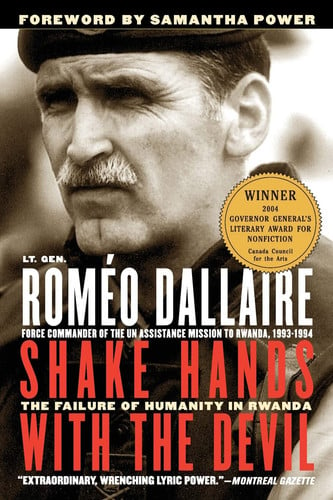
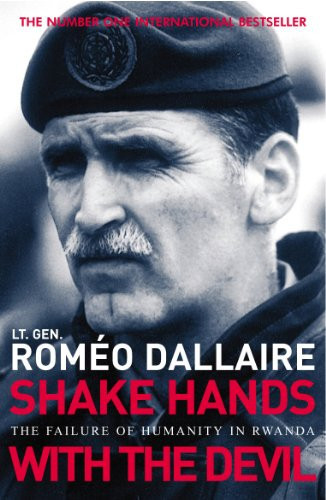
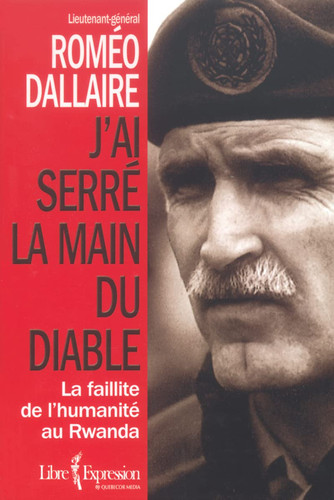
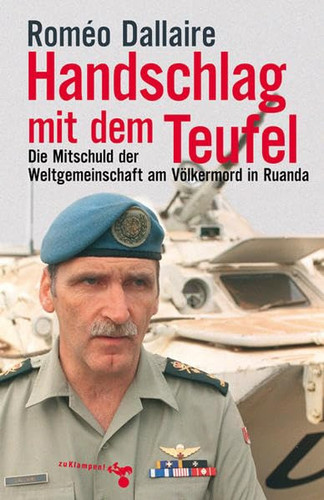
Positives The reviews consistently praise "Shake Hands with the Devil" as an exceptionally important, honest, and powerful first-hand account of the Rwandan genocide. Readers commend General Dallaire's courage in documenting his experiences as the UN Force Commander, highlighting his raw honesty and unwavering commitment to humanity in the face of unimaginable horror. The book is lauded for serving as a profound indictment of the international community's failures, meticulously detailing the bureaucratic obstacles, political indifference, and lack of resources that prevented effective intervention. Many found it to be a gripping and deeply impactful narrative that evokes strong emotions of outrage and empathy, making it a crucial historical document that exposes the human cost of inaction.
Negatives However, some reviewers found the book challenging due to its considerable length, dense detail, and day-by-day, diary-like structure, which could make the narrative feel slow or repetitive. Critics noted a narrow focus on Dallaire's personal experience and the UN's military mission, suggesting it sometimes lacked broader historical context or deeper analysis of the genocide's underlying causes. The writing style, with its frequent use of acronyms and an abundance of "I" references, was occasionally described as cumbersome or less emotionally engaging than the horrific subject matter might suggest. A few also perceived the account, while honest, as occasionally leaning towards self-justification or an uneven distribution of blame among international actors.
Conclusion Despite these criticisms, "Shake Hands with the Devil" is overwhelmingly considered a necessary and profoundly important book that offers a unique and invaluable perspective on a pivotal modern historical event. Reviewers agree it is an essential read for anyone seeking to understand the catastrophic failures of global institutions and the human tragedy of political indifference. It is particularly recommended for readers interested in military history, African history, the complexities of UN peacekeeping missions, and those willing to engage with a raw, detailed, and emotionally taxing account that serves as a powerful call for future humanitarian action and a stark reminder of humanity's capacity for both cruelty and resilience.