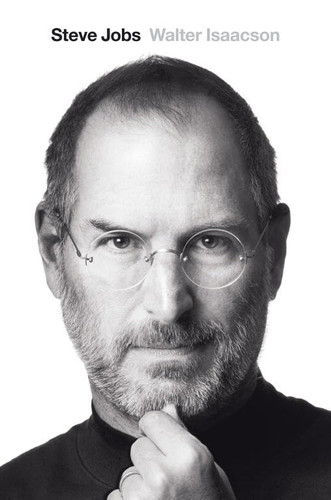
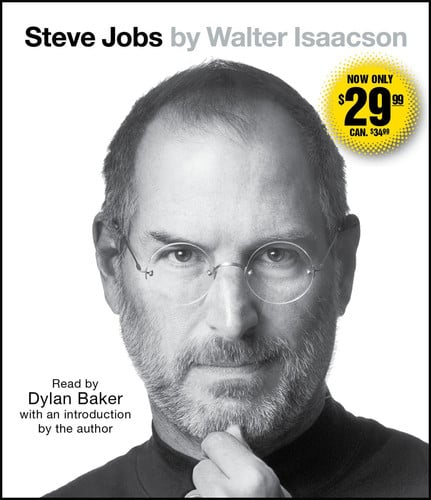
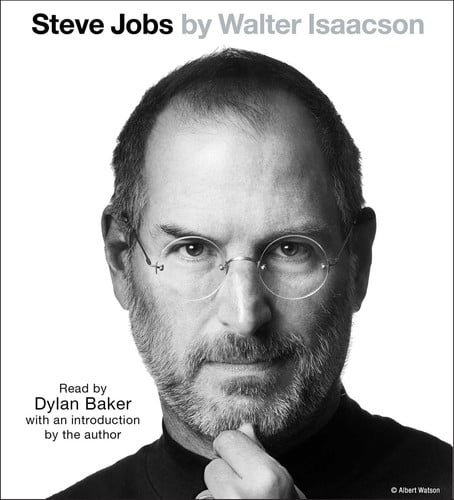
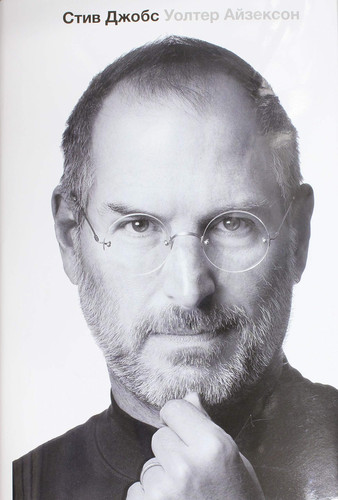
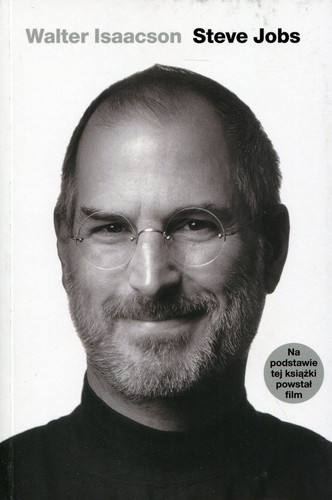
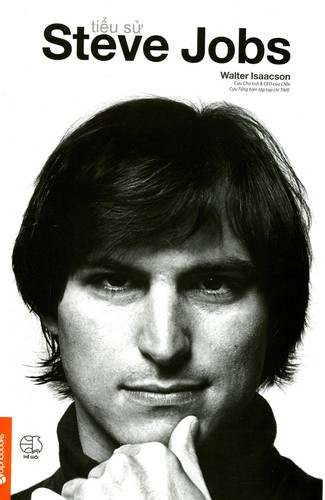
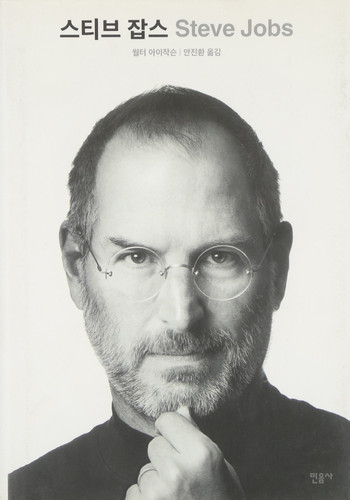
The journey of Steven Paul Jobs began not with fanfare, but with the quiet act of adoption in 1955 San Francisco. Raised by Paul and Clara Jobs, he quickly developed a fascination with electronics and mechanics, often taking apart devices to understand their inner workings. His youth was marked by a sense of being special, a feeling amplified by his adoptive parents' narrative that he was chosen. This inherent belief in his own unique destiny would fuel an uncompromising drive throughout his life. After a brief and unconventional stint at Reed College, where he dropped out but continued to audit classes like calligraphy, he embarked on a spiritual quest to India, seeking enlightenment, a period that deeply influenced his aesthetic and philosophical outlook.
Upon his return, the nascent Silicon Valley beckoned. In 1976, alongside his friend, the brilliant engineer Steve Wozniak, Jobs co-founded Apple Computer in his family's garage. Their first creation, the Apple I, was a humble circuit board, but it laid the groundwork for the revolutionary Apple II, which transformed Wozniak's invention into the first personal computer to achieve widespread success. Jobs, with his innate sense of design and user experience, understood that true innovation lay in making technology accessible and beautiful. This vision led to the development of the Macintosh, a product that popularized the graphical user interface and forever changed the way people interacted with computers.
Yet, Jobs' intense personality, characterized by a demanding nature and a relentless pursuit of perfection, often led to turbulent relationships. His uncompromising vision and sometimes abrasive leadership style eventually led to a power struggle, and in 1985, he was ousted from the very company he co-founded. This period of exile, however, proved to be a crucible for his future triumphs. He founded NeXT, a computer company that, while not a commercial success, pioneered advanced software and hardware concepts. More significantly, he acquired Pixar Animation Studios from George Lucas, transforming it into a powerhouse that revolutionized the animation industry with groundbreaking films like "Toy Story."
The wilderness years, as they might be called, honed his skills and broadened his perspective. He learned valuable lessons from the brilliant failures of NeXT, realizing that even his most radical ideas needed careful execution and market understanding. When Apple, faltering in his absence, purchased NeXT in 1996, Jobs returned to the company he had created, initially as a consultant, then as interim CEO, and finally, permanently.
His second coming at Apple marked an unprecedented era of innovation. He recognized the potential of connecting creativity with technology, envisioning a future where devices were not just tools but extensions of the user's life. This philosophy birthed a succession of iconic products: the iMac, which revitalized Apple's computer line; the iPod, which transformed the music industry and our consumption of media; and the iTunes Store, which provided a legal and convenient platform for digital music.
The pinnacle of this resurgence arrived with the iPhone in 2007, a device that seamlessly integrated music, phone, and internet capabilities into a single, elegant form. It wasn't just a phone; it was a revolution in mobile computing and user interface design. The subsequent App Store created an entirely new industry, empowering developers and giving users an endless array of possibilities. This was followed by the iPad, which launched tablet computing into the mainstream.
Throughout these triumphs, Jobs remained a figure of intense contradictions - a visionary who could be both inspiring and infuriating, a master of intuitive design driven by a deep appreciation for aesthetics and craftsmanship. He believed in the power of simplicity, recognizing that true elegance often lay in conquering complexity, not ignoring it. His life was a testament to the idea that relentless focus, an unwavering vision, and a willingness to challenge conventional wisdom could indeed change the world.
In his final years, even as he battled pancreatic cancer, Jobs continued to steer Apple, leaving an indelible mark on the technology landscape and popular culture. His story is a compelling narrative of passion, perfectionism, and an unyielding belief in the power of human ingenuity to shape the future, a legacy that continues to resonate far beyond the products he brought to life.