
Tempest
7.96 / 10 89 ratings
- Language
- English
- Published
- 1921
- Publisher
- Cambridge University Press
- Pages
- 178
- ISBN
- 9780521063449
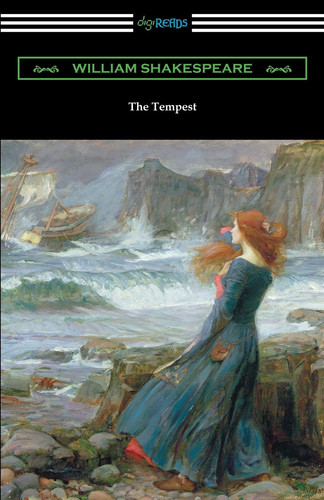
A violent storm engulfs a ship at sea, bringing its royal passengers to a mysterious, enchanted island. This tempest is orchestrated by Prospero, the island's master and a powerful magician, who was exiled from his dukedom twelve years prior. With his daughter Miranda, and accompanied by the spirit Ariel and the creature Caliban, Prospero observes as his former enemies, including his treacherous brother, are delivered to his shores.
As the shipwrecked nobles navigate the island, encountering illusions and unexpected events, Prospero manipulates their fates to confront them with their past and test their true character. The play explores themes of power, betrayal, justice, and the transformative choice between revenge and forgiveness, presenting a narrative of control, freedom, and eventual reconciliation.
As the shipwrecked nobles navigate the island, encountering illusions and unexpected events, Prospero manipulates their fates to confront them with their past and test their true character. The play explores themes of power, betrayal, justice, and the transformative choice between revenge and forgiveness, presenting a narrative of control, freedom, and eventual reconciliation.
Subjects
- Comics & Graphic Novels
- Kindle Store
- Categories
- Kindle eBooks
- Travel
- General
- Reference
- Literature & Fiction
- Genre Fiction
- Europe
- Arts & Photography
- Photography & Video
- Great Britain
- Subjects
- Literary
- Action & Adventure
- Historical
- Self Service
- History
- Biographies & Memoirs
- Arborist Merchandising Root
- Children's Books
- Science & Math
- Education & Reference
- Education & Teaching
- Schools & Teaching
- Non-Classifiable
- Romance
- Novelty
- Poetry
- Study Guides
- Kindle Short Reads
- Mathematics
- English & College Success
- English
- Humor
- Writing, Research & Publishing Guides
- Study & Teaching
- Education Theory
- Science Fiction
- Nature & Ecology
- Psychological
- Politics & Social Sciences
- Specialty Boutique
- New, Used & Rental Textbooks
- Teen & Young Adult
- Dramas & Plays
- Foreign Language Study & Reference
- Art
- Humor & Entertainment
- Social Sciences
- Fiction
- Biography & Autobiography
- Juvenile Fiction
- Writing
- Classics
- Professional, Career & Trade
- Criticism
- Education
- Curriculum & Instruction
- Performing Arts
- Literary Collections
- Children's fiction
- Pictorial works
- Juvenile fiction
- Adaptations
- ENGLISH LITERATURE
- History & Criticism
- For National Curriculum Key Stage 3
- Humanities
- England
- COMICS & GRAPHIC NOVELS_GENERAL
- English as a Second Language
- Teaching
- Theater
- DRAMA (DRAMATIC WORKS BY ONE AUTHOR)
- Ancient & Classical
- Words, Language & Grammar
- LARGE TYPE BOOKS
- Audio Adult: Books On Tape
- Foreign Language Study
- Special Topics
- Regional & Cultural
- Comedy
- Mystery & Detective
- European
- English, Irish, Scottish, Welsh
- Juvenile Nonfiction
- Entertainment & Performing Arts
- Language Arts & Disciplines
- Language
- German
- Criticism & Theory
- Movements & Periods
- Language Arts
- Genres & Styles
- English language
- Acting & Auditioning
- Literary Criticism
- Drama
- Study Aids
- Study Aids General
- Juvenile Non-Fiction
- Young Adult Fiction
- Schools
- Levels
- Elementary
- British & Irish
- Theatre
- Chinese
- Popular Culture
- Spanish
- BRITISH AND IRISH DRAMA (DRAMATIC WORKS BY ONE AUTHOR)
- French
- Criticism and interpretation
- English literature
- Dictionaries
- Arts & Humanities
- World Literature
- Book Notes
- Classroom Management
- History and criticism
- Bilingual Education
- Survival
- Readers
- Movies
- Medieval
- Elementary Language Arts
- Intermediate
- Foreign Language - Dictionaries
- Phrase Books
- Genre Films
- Pop Culture
- Literature - Classics
- For National Curriculum Key Stage 4 & GCSE
- Light
- Plays
- LITERATURE_HISTORY AND CRITICISM
- Shakespeare
- Problems, exercises
- Ancient, Classical & Medieval
- Fathers and daughters
- Playwriting
- Renaissance
- Comic books, strips
- Children's
- Performing arts
- Literary Criticism & Collections
- Stagecraft & Scenography
- Korean
- Spirits
- Drama (dramatic works by one author)
- English drama
- ENGLISH LITERATURE_HISTORY AND CRITICISM
- Public Speaking & Speech Writing
- Nobility
- Political refugees
- English literature: literary criticism
- Shipwrecks
- Literature, history and criticism
- Type
Original edition
Der Sturm. (englisch / deutsch)Originally published in 1900 German Reclam, Ditzingen
Other editions (424)
- Tempest (Shakespeare's Globe Acting Edition)

- Tempest (French Acting Edition)

- The Tempest Special Student Annotation Edition: Formatted with Wide Margins and Spacing for Your Own Notes

- The Tempest (The Annotated Shakespeare)

- The Tempest (Annotated by Henry N. Hudson with an Introduction by Charles Harold Herford)
Listen to the summary Narrated summary
The heavens themselves seemed to conspire, unleashing a furious tempest upon a ship laden with royalty, its timbers groaning and sails tearing under the assault of wind and wave. Onboard, King Alonso of Naples, his brother Sebastian, and the usurping Duke of Milan, Antonio, along with the honest counselor Gonzalo and others, braced against the chaos, convinced their end was nigh. Yet, this was no mere act of nature, but a conjuration, a carefully orchestrated symphony of magic emanating from a secluded island nearby.
On that enchanted isle, the exiled Duke Prospero, now a powerful magician, watched the storm's devastating work with his innocent daughter, Miranda. Her heart ached at the sight of the struggling vessel, but Prospero reassured her that no true harm would befall the souls aboard. He then revealed to her the long-held secret of their past: twelve years prior, his own brother, Antonio, driven by ambition and aided by King Alonso, had stripped Prospero of his dukedom and cast him adrift with his infant child upon the open sea. It was by the grace of Gonzalo that they survived, reaching this island where Prospero, with his profound books of magic, had become its master, ruling over the airy spirit Ariel and the brutish, earth-bound Caliban, son of the deceased witch Sycorax.
As the shipwrecked party was scattered across the island by Ariel's unseen hand, Prospero's intricate plan began to unfold. Young Ferdinand, Alonso's son, was led to Prospero's cell, where he met Miranda. Their eyes met, and in an instant, a pure and powerful love ignited between them, the first human beings Miranda had ever seen apart from her father. Prospero, though pleased, feigned anger, subjecting Ferdinand to arduous tasks to test the depth of his devotion, all while secretly observing their burgeoning affection.
Meanwhile, the other noble survivors wandered, believing Ferdinand lost to the waves. Among them, Antonio, ever the schemer, began to whisper poison into Sebastian's ear, urging him to murder his sleeping brother, King Alonso, and seize the crown of Naples for himself. Only Ariel's timely intervention, rousing Gonzalo, prevented the treacherous deed. Elsewhere on the island, a different kind of conspiracy brewed. Alonso's drunken butler, Stephano, and jester, Trinculo, stumbled upon Caliban. Seeing a new potential master, Caliban, weary of Prospero's harsh rule, swore allegiance to Stephano, persuading the bewildered drunkards to join him in a plot to murder Prospero and claim the island for themselves. Their bumbling, wine-fueled machinations, however, were easily thwarted by Ariel, who led them astray with illusions and tricks.
Prospero, having witnessed the purity of Ferdinand and Miranda's love and the treachery of his enemies, began to draw his nets tighter. He presented the young lovers with a magical masque, a vision of goddesses and blessings, celebrating their union and foreshadowing a future of peace. Soon after, Ariel gathered the noblemen, now disoriented and tormented by the spirits' illusions, before Prospero. Alonso, believing his son drowned, expressed profound remorse for his past wrongs against Prospero.
In a climactic moment, Prospero revealed himself, shedding his magician's cloak to stand before them as the rightful Duke of Milan. The reunion was fraught with stunned recognition and dawning guilt. Antonio, though silent, was confronted with his betrayal. Prospero, having achieved his revenge, chose the path of forgiveness, embracing his brother and pardoning Alonso. Alonso, in turn, restored Prospero to his dukedom, and the joyous discovery of Ferdinand and Miranda playing chess sealed the reconciliation between the two families.
The ship, miraculously whole and seaworthy once more, awaited their departure. Prospero, having accomplished his grand design, prepared to renounce his potent magic, vowing to break his staff and drown his book "deeper than did ever plummet sound." He granted Ariel the longed-for freedom, and even Caliban, Stephano, and Trinculo were pardoned, albeit with a stern warning. As the company prepared to sail for Naples, carrying the promise of a royal wedding, Prospero stood on the shore, the island's enchantment fading, ready to return to the world of men, his ultimate desire for peace and pardon echoing in the gentle sea breeze.
On that enchanted isle, the exiled Duke Prospero, now a powerful magician, watched the storm's devastating work with his innocent daughter, Miranda. Her heart ached at the sight of the struggling vessel, but Prospero reassured her that no true harm would befall the souls aboard. He then revealed to her the long-held secret of their past: twelve years prior, his own brother, Antonio, driven by ambition and aided by King Alonso, had stripped Prospero of his dukedom and cast him adrift with his infant child upon the open sea. It was by the grace of Gonzalo that they survived, reaching this island where Prospero, with his profound books of magic, had become its master, ruling over the airy spirit Ariel and the brutish, earth-bound Caliban, son of the deceased witch Sycorax.
As the shipwrecked party was scattered across the island by Ariel's unseen hand, Prospero's intricate plan began to unfold. Young Ferdinand, Alonso's son, was led to Prospero's cell, where he met Miranda. Their eyes met, and in an instant, a pure and powerful love ignited between them, the first human beings Miranda had ever seen apart from her father. Prospero, though pleased, feigned anger, subjecting Ferdinand to arduous tasks to test the depth of his devotion, all while secretly observing their burgeoning affection.
Meanwhile, the other noble survivors wandered, believing Ferdinand lost to the waves. Among them, Antonio, ever the schemer, began to whisper poison into Sebastian's ear, urging him to murder his sleeping brother, King Alonso, and seize the crown of Naples for himself. Only Ariel's timely intervention, rousing Gonzalo, prevented the treacherous deed. Elsewhere on the island, a different kind of conspiracy brewed. Alonso's drunken butler, Stephano, and jester, Trinculo, stumbled upon Caliban. Seeing a new potential master, Caliban, weary of Prospero's harsh rule, swore allegiance to Stephano, persuading the bewildered drunkards to join him in a plot to murder Prospero and claim the island for themselves. Their bumbling, wine-fueled machinations, however, were easily thwarted by Ariel, who led them astray with illusions and tricks.
Prospero, having witnessed the purity of Ferdinand and Miranda's love and the treachery of his enemies, began to draw his nets tighter. He presented the young lovers with a magical masque, a vision of goddesses and blessings, celebrating their union and foreshadowing a future of peace. Soon after, Ariel gathered the noblemen, now disoriented and tormented by the spirits' illusions, before Prospero. Alonso, believing his son drowned, expressed profound remorse for his past wrongs against Prospero.
In a climactic moment, Prospero revealed himself, shedding his magician's cloak to stand before them as the rightful Duke of Milan. The reunion was fraught with stunned recognition and dawning guilt. Antonio, though silent, was confronted with his betrayal. Prospero, having achieved his revenge, chose the path of forgiveness, embracing his brother and pardoning Alonso. Alonso, in turn, restored Prospero to his dukedom, and the joyous discovery of Ferdinand and Miranda playing chess sealed the reconciliation between the two families.
The ship, miraculously whole and seaworthy once more, awaited their departure. Prospero, having accomplished his grand design, prepared to renounce his potent magic, vowing to break his staff and drown his book "deeper than did ever plummet sound." He granted Ariel the longed-for freedom, and even Caliban, Stephano, and Trinculo were pardoned, albeit with a stern warning. As the company prepared to sail for Naples, carrying the promise of a royal wedding, Prospero stood on the shore, the island's enchantment fading, ready to return to the world of men, his ultimate desire for peace and pardon echoing in the gentle sea breeze.
What other readers say
Liked
Reviewers highly praise this book as a significant achievement within Greaves' body of work, particularly among his Shakespeare adaptations. The narrative is noted for its inherent suitability to the author's unique approach, resulting in a compelling reimagining. Readers consistently highlight Greaves' artistic development, appreciating the wonderfully imaginative elements that enrich the overall experience.
Disliked
Based on the provided review, no negative points or criticisms were raised regarding the book's content or execution. The feedback received is entirely positive.
In short
Overall, this book appears to be a highly successful and creatively engaging adaptation that showcases the author's continuous artistic growth. It would likely appeal to readers who enjoy innovative reinterpretations of classic literature, especially Shakespearean works, and those who appreciate authors demonstrating evolving skill and imaginative storytelling.
No reviews yet. Be the first.