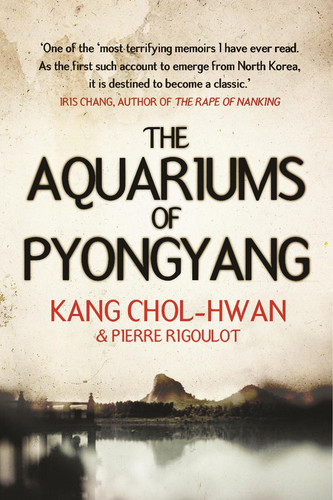
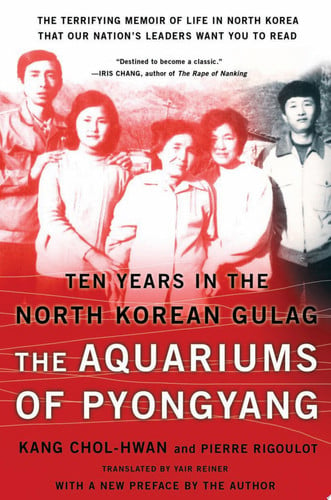
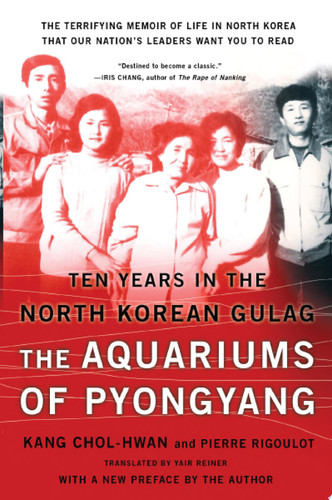
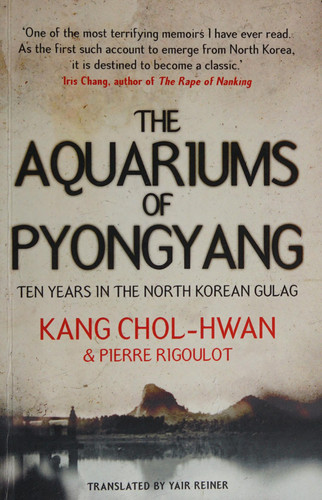
Positives This memoir is widely praised for its crucial insight into the realities of North Korea and its notorious prison camp system. Reviewers consistently highlight its value as an eye-opening and often horrifying firsthand account of survival within a totalitarian regime, particularly for its depiction of life inside a labor camp. The book is seen as an important testimony, shedding light on a secretive society and the extreme human rights abuses that continue into the 21st century. Many appreciate the historical and political context provided, especially in the introduction, which helps readers understand the origins of North Korea's oppressive state. For those new to the subject, it offers a powerful and essential introduction to the plight of defectors and the extraordinary human will to endure.
Negatives However, the book receives notable criticism regarding its writing style and narrative delivery. Several reviewers describe the prose as overly flowery, tedious, or lacking a compelling literary quality, with some suggesting this might be due to the translation process. A common complaint is the repetitive nature of the descriptions of camp life, which some found diminished the impact over time. Readers who have previously read other North Korean defector memoirs sometimes felt this book offered less new or distinct information, or that its emotional impact was less profound compared to other, more intensely horrific accounts. Additionally, some felt the section covering the author's escape and subsequent adjustment to life outside North Korea was rushed and lacked sufficient depth regarding the cultural challenges faced. A minority of reviewers also perceived a political bias in the author's commentary, suggesting it occasionally veered into simplified political rhetoric.
Conclusion Ultimately, despite criticisms of its literary style or occasional repetitiveness, the book is widely recommended for the sheer importance of its subject matter. It serves as a vital document for anyone seeking to understand the harsh realities of North Korea's gulag system and the broader implications of dictatorial rule. Readers interested in political history, human rights, and powerful true stories of survival will find this a compelling, albeit often distressing, read. While those seeking a highly polished literary experience might find the prose somewhat lacking, the book's core message and the author's personal experience make it a valuable contribution to the understanding of contemporary global issues.