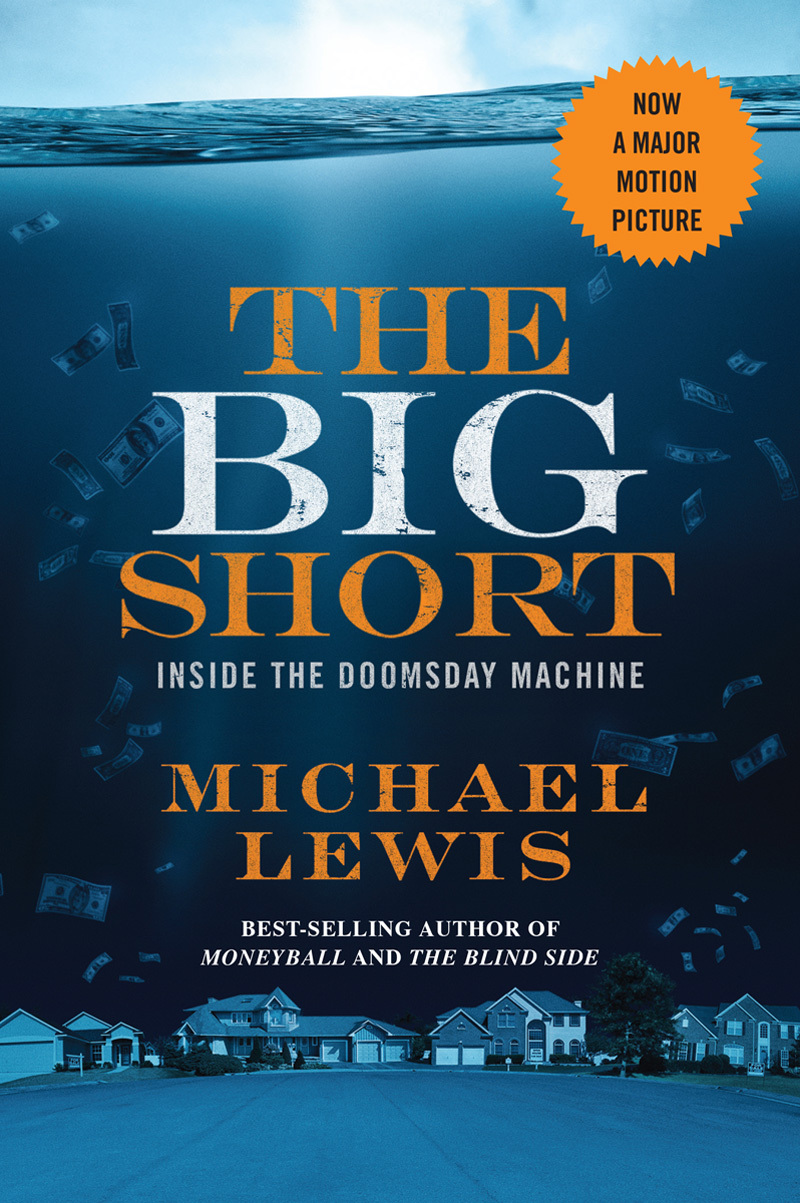
The Big Short: Inside the Doomsday Machine
- First published 2009
- 288 pages
- English
Michael Lewis's The Big Short chronicles the true story of the few outsiders who foresaw the impending collapse of the U.S. housing market and the global financial crisis it triggered. This book delves into the obscure corners of the financial world, where complex instruments like subprime mortgage bonds and credit default swaps were masking immense risk.
Through the eyes of a handful of eccentric investors, including a former neurologist, a hedge fund manager, and a pair of garage-based traders, Lewis reveals how these individuals identified the systemic flaws that Wall Street and government regulators largely ignored. Their decision to bet against the housing bubble made them fortunes while exposing the widespread greed and delusion that nearly brought down the global economy. This narrative explains the intricacies of the crash through compelling character-driven storytelling, making a complex financial disaster understandable.
Through the eyes of a handful of eccentric investors, including a former neurologist, a hedge fund manager, and a pair of garage-based traders, Lewis reveals how these individuals identified the systemic flaws that Wall Street and government regulators largely ignored. Their decision to bet against the housing bubble made them fortunes while exposing the widespread greed and delusion that nearly brought down the global economy. This narrative explains the intricacies of the crash through compelling character-driven storytelling, making a complex financial disaster understandable.
What readers say
4.31
175K ratings across the web 9 in 10 readers loved it
Many reviewers commend the book for its exceptional clarity and engaging narrative, making complex financial concepts like subprime mortgages, CDOs, and credit default swaps remarkably understandable for general readers. Michael Lewis is lauded for his ability to transform an intricate economic event into a compelling, character-driven story, often featuring eccentric and brilliant individuals who foresaw the impending crisis. Readers found it highly informative, offering deep insights into the mechanisms that led to the 2008 financial meltdown and the underlying greed and systemic flaws. The writing style is frequently described as captivating, even suspenseful, providing an accessible and often entertaining look at a critical period in economic history.
Despite its strengths, some readers identified areas for improvement. A common criticism is the book's perceived limited scope, with several reviewers wishing for more comprehensive coverage of governmental roles, regulatory failures, and the broader economic ripple effects beyond the immediate financial instruments. Some also found the narrative repetitive at times, presenting similar events from different perspectives without adding significant new information. A notable point of contention revolves around the book's portrayal of the protagonists; some reviewers felt uncomfortable with celebrating individuals who profited immensely from the crisis without actively trying to prevent it, questioning the ethical implications of their actions. Additionally, a few critics suggested a potential bias or overstatement of the case, while others, despite the clarity, still found certain financial jargon challenging to fully grasp.
Overall, the book comes highly recommended as an essential read for anyone seeking to understand the 2008 financial crisis. It is widely considered an excellent, entertaining, and insightful account that demystifies a complex subject. The book serves as a powerful cautionary tale, highlighting the dangers of unchecked financial practices, institutional ignorance, and human greed, with many reviewers expressing concern that the lessons have not been fully learned. It is particularly suited for readers who are curious about the causes and inner workings of the last major economic downturn, those wanting to gain a clearer picture of Wall Street's operations, and individuals seeking to educate themselves on personal finance and investment risks.
Reviews
No reviews yet. Be the first.
Details & editions
- This edition
- Penguin Books, Limited, 2015
- ISBN
- 9780141983301
- Language
- English
Original edition Big Short Originally published in 2009 · English · Penguin Books, Limited