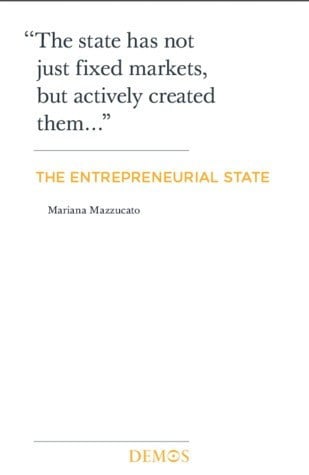
Positives The reviews highlight Mariana Mazzucato's book as a powerful and transformative argument for the state's crucial role in driving innovation and economic growth. Many readers found it rigorously researched and eye-opening, effectively debunking the common myth that the private sector alone is the primary engine of technological progress. The book is praised for demonstrating how state funding and initiatives have been foundational to numerous major breakthroughs, including key technologies found in the iPhone, the internet, GPS, and advancements in biotech and renewable energy. It convincingly argues that the state often takes on the riskiest, early-stage investments that the private sector is unwilling to undertake, thereby creating the very conditions for later commercial success. Reviewers commend its refreshing challenge to conventional free-market narratives and its timeliness in addressing contemporary economic and policy debates.
Negatives Despite its strengths, the book also garners significant criticism. Several reviewers find it repetitive, arguing that its core message could be conveyed in a much shorter format. A frequent complaint is the book's perceived one-sidedness, with critics suggesting it cherry-picks success stories of government intervention while downplaying or ignoring instances of state inefficiency, waste, or outright failure. Some argue that the author overstates the government's direct role in invention, failing to adequately distinguish between basic research and the complex process of commercialization and integration by private companies. Concerns are raised about an implicit ideological bias, with the book sometimes blurring the lines between facts, theories, and opinions. Critics also point out that the book does not sufficiently address the practical challenges of state intervention, such as cost-effectiveness, the influence of political connections, or how the state should effectively capture returns on its investments.
Conclusion In conclusion, Mazzucato's book is widely seen as an important, albeit polarizing, contribution to the discourse on innovation and economic policy. It succeeds in provoking a re-evaluation of the state's historical and potential future role in fostering technological advancement, challenging deeply ingrained assumptions about public versus private sector capabilities. While its arguments may not convince all readers, particularly those with strong libertarian or anti-government leanings who found it lacking in economic understanding or balance, it is highly recommended for policymakers, economists, and anyone interested in a thought-provoking perspective on how innovation is truly driven. The book is particularly relevant for those open to exploring an expanded and more active role for government in directing economic development and ensuring a fairer distribution of its benefits.