
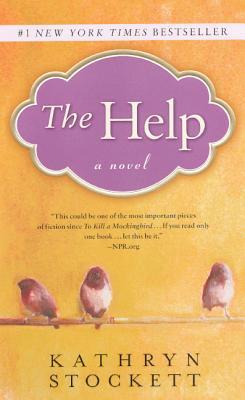
The Help
8.94 / 10 3.1M ratings
Classic- Language
- English
- Published
- 2009
- Publisher
- Putnam Adult
- Pages
- 451
- ISBN
- 9780399155888
In the rigidly segregated world of 1962 Jackson, Mississippi, three women from vastly different circles are about to cross a dangerous line. Aibileen is a Black maid, raising her seventeenth white child and mourning the loss of her own son. Her friend Minny is a sharp-tongued cook whose outspokenness has cost her yet another job. And Skeeter is a recent college graduate, a privileged white woman who returns home with ambitions of being a writer, only to find the beloved maid who raised her has vanished without a word. These three women will come together for a clandestine project that puts them all at risk.
United by a quiet sense of injustice, they decide to write a book detailing the experiences of Black maids working in white households. The stories they collect are filled with humor, heartbreak, and courage, revealing the complex and often painful relationships between the women who run the homes and the women who raise their children. As the project unfolds in secret, it threatens to shatter the carefully constructed social order of their town and change their lives forever. This is a story about the power of voice, the lines we dare to cross, and the shared humanity that can be found in the most unlikely of friendships.
United by a quiet sense of injustice, they decide to write a book detailing the experiences of Black maids working in white households. The stories they collect are filled with humor, heartbreak, and courage, revealing the complex and often painful relationships between the women who run the homes and the women who raise their children. As the project unfolds in secret, it threatens to shatter the carefully constructed social order of their town and change their lives forever. This is a story about the power of voice, the lines we dare to cross, and the shared humanity that can be found in the most unlikely of friendships.
Original edition
Deal MakerOriginally published in 1988 English John Wiley & Sons Inc
Other editions (168)


Listen to the summary Narrated summary
Jackson, Mississippi, 1962. The stifling summer air hangs heavy with unspoken rules and simmering tensions. Aibileen Clark, a wise and gentle black maid, has spent her life raising white children, seventeen in all, while quietly mourning the loss of her own son, Treelore. Each morning, she steps into the immaculate home of the Leefolts, tending to the neglected Mae Mobley with a boundless love that her own mother withholds. Aibileen whispers affirmations to the little girl, "You is kind. You is smart. You is important," planting seeds of self-worth in a world eager to diminish her.
Her closest friend, Minny Jackson, is a force of nature - a fierce, outspoken woman whose sharp tongue often lands her in trouble, leading to a string of dismissals from white households. Minny's culinary skills are legendary, but her inability to bite her tongue in the face of injustice means she's constantly searching for new employment. Her latest position takes her to the home of Celia Foote, a kind but ostracized socialite who is as clumsy in the kitchen as she is generous in spirit. Minny finds a surprising camaraderie with Celia, a bond formed outside the rigid social structures of Jackson.
Meanwhile, Eugenia "Skeeter" Phelan returns home from college, an aspiring writer whose dreams clash with her mother's expectations of marriage and Junior League participation. Skeeter is troubled by the sudden, unexplained disappearance of Constantine, the beloved black maid who raised her. Her attempts to uncover the truth are met with evasiveness, sparking a growing unease about the treatment of black domestic workers in her community. She begins to notice the separate bathrooms, the unspoken slights, and the profound inequalities that permeate the lives of the women who care for white families.
Inspired by her own questions and a nascent sense of journalistic purpose, Skeeter conceives of a radical idea: to write a book from the perspective of the black maids, chronicling their daily lives, their joys, and their indignities. It is a dangerous proposition in the segregated South, a time when such a collaboration could put everyone involved at grave risk. Aibileen, initially fearful, is persuaded by the injustice she witnesses daily, particularly the cruel "separate but equal" bathroom initiative championed by the town's social queen, Hilly Holbrook. Minny, too, agrees to contribute, her stories laced with her characteristic humor and a secret act of defiance involving a chocolate pie.
As more maids, emboldened by the bravery of Aibileen and Minny and enraged by the wrongful imprisonment of Hilly's former maid, Yule May, begin to share their experiences, the project gains momentum. Their collective narratives paint a poignant and often heartbreaking picture of a society built on racial prejudice, yet also reveal the incredible resilience, dignity, and quiet strength of the women who live within it. The shared act of storytelling becomes a powerful act of resistance, forging an unlikely alliance across racial divides.
When "Help" is finally published, anonymously and with disguised names, it sends shockwaves through Jackson. The white women of the town, particularly Hilly, begin to recognize themselves and their maids in its pages, sparking outrage and a frantic search for the author. Despite the danger, the book becomes a bestseller, igniting conversations and forcing many to confront the uncomfortable truths of their lives. Skeeter, having found her voice and purpose, accepts an editorial job in New York, leaving Jackson with a bittersweet farewell. Aibileen, though fired by Elizabeth Leefolt under Hilly's influence, finds a new path, taking over Skeeter's newspaper column and feeling an unprecedented sense of freedom and readiness to write more of her own story.
Her closest friend, Minny Jackson, is a force of nature - a fierce, outspoken woman whose sharp tongue often lands her in trouble, leading to a string of dismissals from white households. Minny's culinary skills are legendary, but her inability to bite her tongue in the face of injustice means she's constantly searching for new employment. Her latest position takes her to the home of Celia Foote, a kind but ostracized socialite who is as clumsy in the kitchen as she is generous in spirit. Minny finds a surprising camaraderie with Celia, a bond formed outside the rigid social structures of Jackson.
Meanwhile, Eugenia "Skeeter" Phelan returns home from college, an aspiring writer whose dreams clash with her mother's expectations of marriage and Junior League participation. Skeeter is troubled by the sudden, unexplained disappearance of Constantine, the beloved black maid who raised her. Her attempts to uncover the truth are met with evasiveness, sparking a growing unease about the treatment of black domestic workers in her community. She begins to notice the separate bathrooms, the unspoken slights, and the profound inequalities that permeate the lives of the women who care for white families.
Inspired by her own questions and a nascent sense of journalistic purpose, Skeeter conceives of a radical idea: to write a book from the perspective of the black maids, chronicling their daily lives, their joys, and their indignities. It is a dangerous proposition in the segregated South, a time when such a collaboration could put everyone involved at grave risk. Aibileen, initially fearful, is persuaded by the injustice she witnesses daily, particularly the cruel "separate but equal" bathroom initiative championed by the town's social queen, Hilly Holbrook. Minny, too, agrees to contribute, her stories laced with her characteristic humor and a secret act of defiance involving a chocolate pie.
As more maids, emboldened by the bravery of Aibileen and Minny and enraged by the wrongful imprisonment of Hilly's former maid, Yule May, begin to share their experiences, the project gains momentum. Their collective narratives paint a poignant and often heartbreaking picture of a society built on racial prejudice, yet also reveal the incredible resilience, dignity, and quiet strength of the women who live within it. The shared act of storytelling becomes a powerful act of resistance, forging an unlikely alliance across racial divides.
When "Help" is finally published, anonymously and with disguised names, it sends shockwaves through Jackson. The white women of the town, particularly Hilly, begin to recognize themselves and their maids in its pages, sparking outrage and a frantic search for the author. Despite the danger, the book becomes a bestseller, igniting conversations and forcing many to confront the uncomfortable truths of their lives. Skeeter, having found her voice and purpose, accepts an editorial job in New York, leaving Jackson with a bittersweet farewell. Aibileen, though fired by Elizabeth Leefolt under Hilly's influence, finds a new path, taking over Skeeter's newspaper column and feeling an unprecedented sense of freedom and readiness to write more of her own story.
What other readers say
Liked
"The Help" is widely praised for its ability to draw readers into a compelling and emotional narrative. Many reviewers found the book to be an engrossing and fast-paced read, often describing it as captivating and difficult to put down. The story is noted for its capacity to evoke strong feelings, making readers laugh, cry, and feel deeply immersed in the characters' lives. The three central figures - Aibileen, Minny, and Skeeter - are frequently highlighted as unforgettable, complex, and relatable, with distinct voices that prevent them from blending together. Reviewers appreciate the book's genuine and touching portrayal of life in the American South during the tumultuous 1960s, tackling significant themes such as racial injustice, hope, and bravery. The intricate plot, conversational tone, and often humorous elements are also cited as strong positives, contributing to an overall inspiring and thought-provoking reading experience.
Disliked
However, the book also faces significant criticism, particularly regarding its authorship and portrayal of sensitive racial themes. A recurring concern is that a white author is telling the story from the perspective of Black domestic workers during the Civil Rights era, leading to accusations of a "white savior" narrative and the simplification of complex racial issues. Some reviewers found the character voices, especially the use of dialect for Black characters versus "perfect English" for white characters (even those described as having strong accents), to be inconsistent, stereotypical, and potentially perpetuating racist overtones. Critics argue that the book's perspective on race relations is often narrow, idealized, or even childish, failing to fully capture the depth of humanity and soul of its Black characters. The narrative is sometimes seen as pandering to a white audience's imagination of the past, with a tone that pulls back from the full harshness of the era, resulting in a "feel-good" story that minimizes the profound struggles endured.
In short
Ultimately, "The Help" elicits highly polarized opinions. While many readers found it to be a powerful, moving, and enjoyable story that opened their eyes and hearts to a historical period, others consider it a flawed and problematic depiction of racial injustice. It is often recommended for readers who enjoy historical fiction with strong character development and a focus on human relationships, and for those seeking an emotionally engaging, albeit sometimes sentimental, narrative. However, readers looking for a deeply authentic, unflinching, and critical exploration of race relations and the Civil Rights movement, particularly from an Own Voices perspective, may find its approach to be superficial or even damaging.
No reviews yet. Be the first.