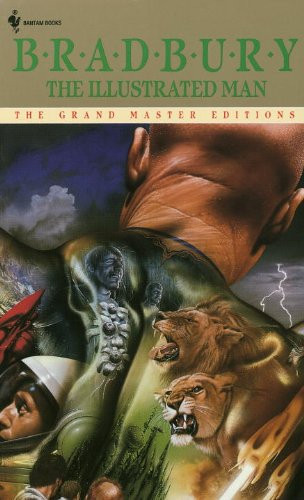
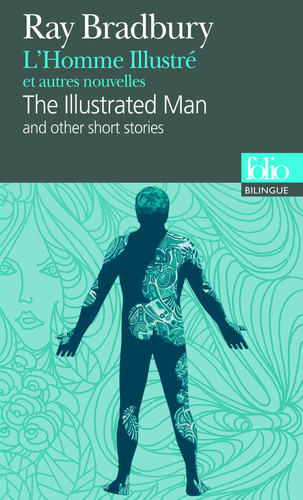
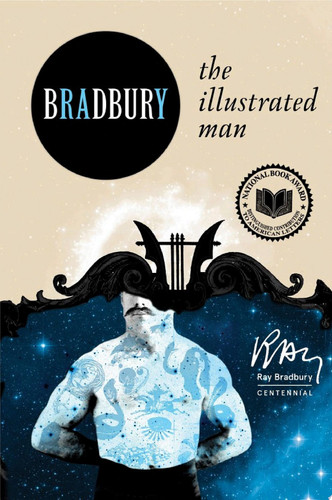
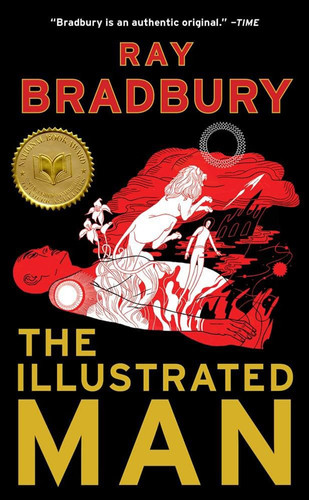
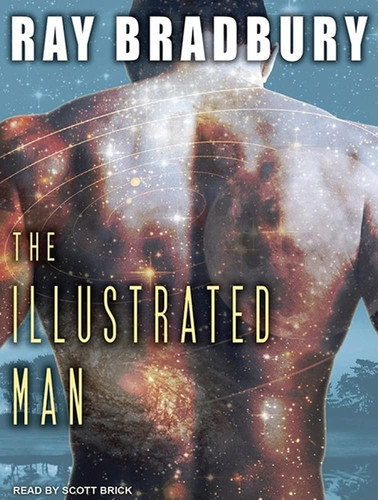
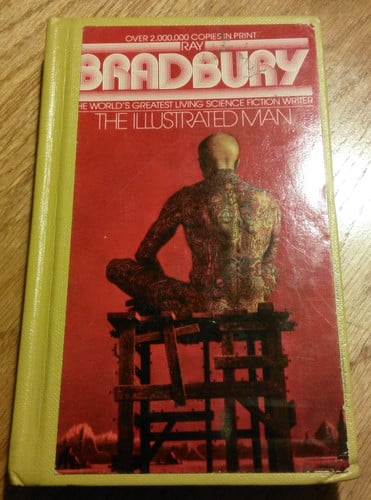
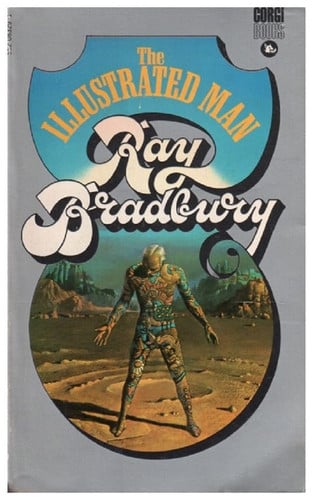
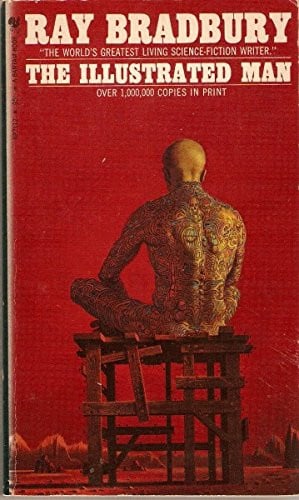
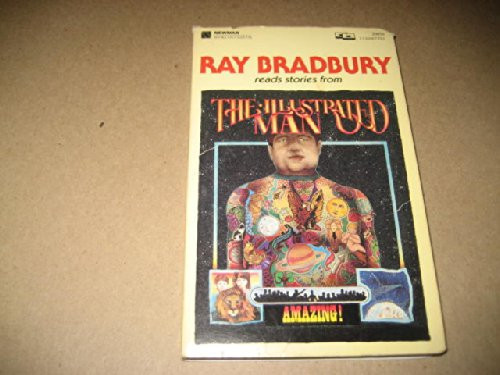
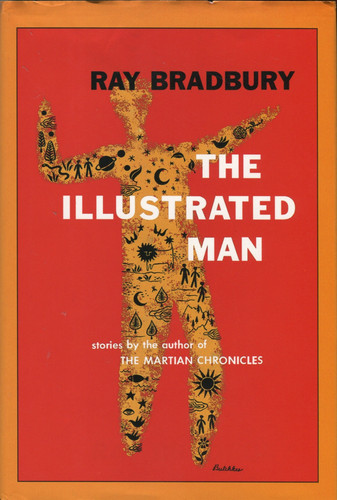
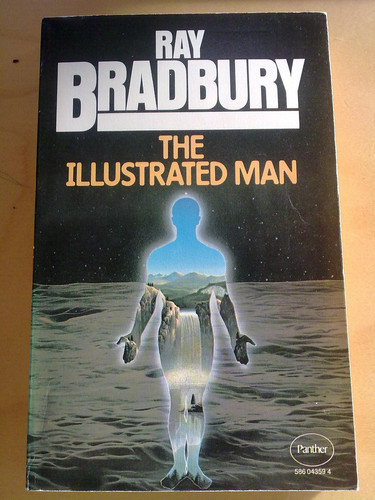
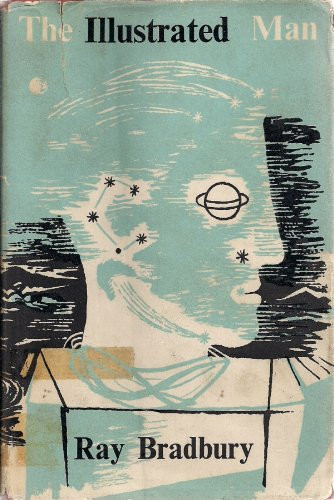
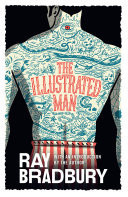
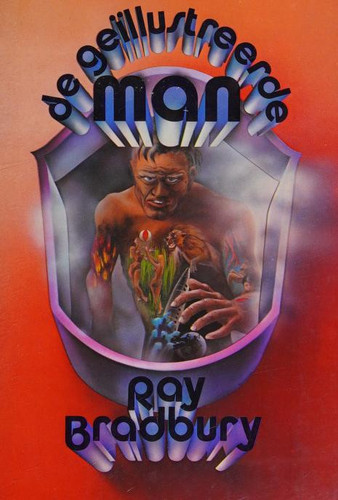
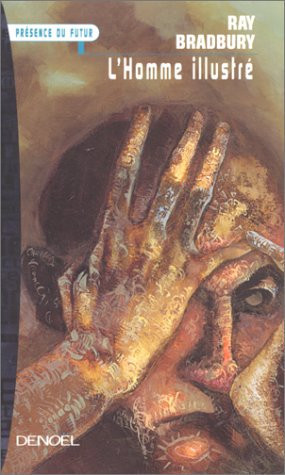
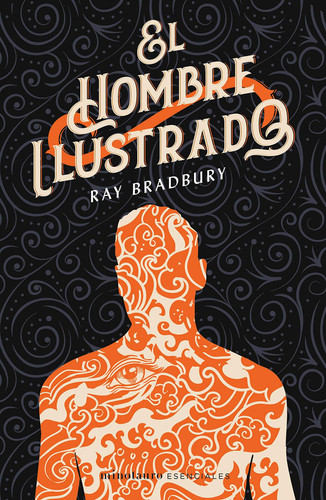
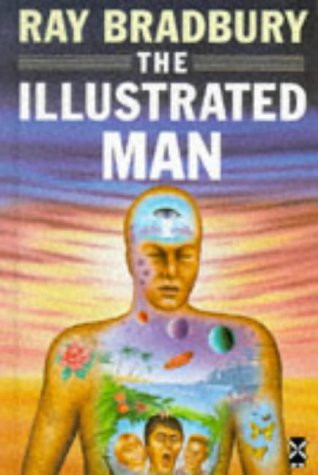
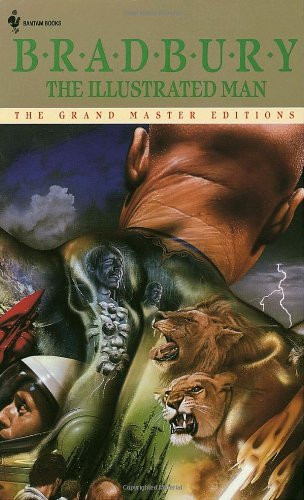
Positives Reviewers widely praise Ray Bradbury's The Illustrated Man as a masterwork of imaginative storytelling, highlighting his distinctive, poetic prose that vividly brings each narrative to life. The collection is celebrated for its deep focus on the human condition, exploring complex themes such as family dynamics, societal flaws, and the impact of technology on individuals, often with a poignant and thought-provoking touch. Many stories are described as compelling, unsettling, and even beautiful, demonstrating Bradbury's remarkable range across science fiction, fantasy, and horror genres. The central concept of the Illustrated Man, whose animated tattoos tell the various tales, is frequently lauded as an ingenious and unique framing device that binds the diverse narratives. Overall, the book is considered a quintessential example of Bradbury's genius and a highly recommended read for both devoted fans and newcomers to his work.
Negatives However, some reviews indicate a mixed experience, noting that the collection's quality can be uneven, with certain stories feeling dated or less impactful than others. A few readers found some narratives confusing, overly critical, or leading to a sense of bleakness or depression. Critics also point out Bradbury's consistent portrayal as a "Luddite" or "misanthrope," expressing a strong mistrust or hostility towards technological progress and its potential for alienation, rather than celebrating its wonders. Furthermore, while the book is categorized as science fiction, several reviewers observe that the scientific elements are often secondary, suspect, or lack detail, placing it more in the realm of science fantasy. The framing device, despite its cleverness, is sometimes seen as underutilized, with the individual stories feeling largely disconnected from the Illustrated Man's own narrative.
Conclusion Despite these varied perspectives, The Illustrated Man is widely regarded as a classic and a powerful collection that offers significant insights into human nature. Its enduring relevance, particularly in its exploration of societal anxieties and the psychological effects of change, makes it a compelling read. This book would particularly appeal to readers who cherish Ray Bradbury's unique blend of evocative writing and philosophical depth, those interested in stories that prioritize human drama over hard science, and anyone seeking thought-provoking narratives reminiscent of classic speculative fiction television. It serves as an excellent introduction to Bradbury's genius for new readers and a cherished re-read for long-time admirers.