
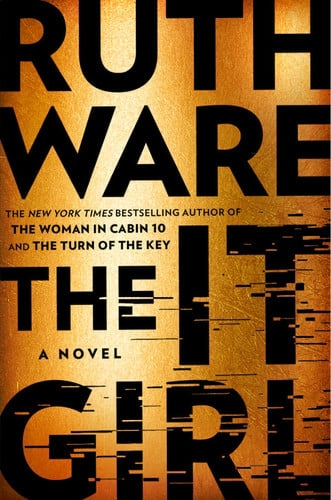
The It Girl
by Ruth Ware
7.68 / 10 296K ratings
- Language
- English
- Published
- 2022
- Publisher
- Gale, a Cengage Company
- Pages
- 675
- ISBN
- 9781432899622
During her first year at Oxford, Hannah Jones was pulled into the dazzling orbit of her roommate, April Clarke-Cliveden. Vivacious, wealthy, and occasionally vicious, April was the ultimate It girl. Together with their tight-knit group of friends, they were inseparable. By the end of the year, April was dead, and Hannah's testimony put a university porter behind bars for the murder. A decade later, Hannah is married to April's former boyfriend and expecting their first child. The past seems to be behind her until the convicted man dies in prison and a journalist presents new evidence suggesting his innocence.
Forced to question what she truly saw that night, Hannah must reconnect with the friends who shared her past, delving back into the secrets and rivalries of her university days. As she digs deeper, she discovers that the people she once trusted most are all hiding something. The truth of what happened to April is far more complex and dangerous than she ever imagined, and the real killer may be someone she thought she knew. This is a story that explores the fallibility of memory and the darkness that can hide within the closest of friendships.
Forced to question what she truly saw that night, Hannah must reconnect with the friends who shared her past, delving back into the secrets and rivalries of her university days. As she digs deeper, she discovers that the people she once trusted most are all hiding something. The truth of what happened to April is far more complex and dangerous than she ever imagined, and the real killer may be someone she thought she knew. This is a story that explores the fallibility of memory and the darkness that can hide within the closest of friendships.
Subjects
Original edition
The It GirlOriginally published in 2022 English Simon and Schuster
Other editions (9)




Listen to the summary Narrated summary
Afterwards, it was the door she would remember. It was open, she kept saying. Ten years later, the memory still surfaces, a glitch in the quiet life she has built in Edinburgh with her husband, Will. She is pregnant now, her hand often resting on the hard, round shape of her belly as she works in the quiet of the Tall Tales bookshop. The call comes from her mother, abrupt and strange. “I take it you haven't seen the news?” The name is a blow, even after a decade. John Neville. The college porter convicted of strangling her best friend. “He's dead,” her mother says, and the carefully ordered world Hannah has constructed begins to fracture. The sickness she thought she'd left behind in the first trimester coils in her gut. Neville went to his grave protesting his innocence, and with his death, a question she has suppressed for years begins to scream for an answer.
Before, there was Oxford. Before, there was the heady mix of nerves and excitement as she dragged her suitcase through the ancient stone archway of Pelham College. This was it: the culmination of all her meticulously plotted revision strategies. Her room was a set, the porter told her, high up on staircase VII. And in that set was April Clarke-Cliveden, sprawled across the sofa like a queen on her throne, a girl with cropped honey-blond hair and an otherworldly beauty that hurt the eyes. “You must be Hannah,” she said, and in that moment, Hannah's life split in two. April was impossibly rich, impossibly glamorous, and impossibly charming. She pulled Hannah into her orbit, along with a tight-knit group of friends: dark-eyed, handsome Will de Chastaigne; his shy, bookish friend Hugh Bland; the sharp-witted Emily Lippman; and the brash, sarcastic Ryan Coates. That first night, as they drank warm Dom Pérignon from the bottle, April raised her glass. “Here's to us, Hannah Jones,” she smiled, a wicked dimple appearing in each cheek. “I think we're going to have a pretty majestic time here, don't you?”
They were a universe unto themselves, orbiting the bright, chaotic star that was April. Hannah found herself falling for Will, a secret she guarded with fierce jealousy, especially after he and April became an item. While their friendships deepened over formal halls and late-night debates, a shadow lingered at the edge of Hannah's new life: John Neville, the college porter. His attention was unsettling - a gaze held too long, a hand that didn't let go of her keys, a strange, paternalistic creepiness that made her skin crawl. One night, she came back to find him in her room, uninvited. The encounter left her shaken. Another night, after climbing a college wall to avoid him, he tackled her to the ground, his body pinning her, his foul breath on her neck. Terrified, she finally submitted a formal complaint.
After Neville's death, the past refuses to stay buried. A journalist named Geraint Williams finds her, a friend of Ryan's, he says. He's working on a podcast, convinced a miscarriage of justice occurred. “He thinks Neville was innocent,” Emily tells her over the phone. Geraint's investigation has unearthed a rumor that shatters Hannah's certainty: April was pregnant when she died. The news is a fissure that cracks open everything Hannah thought she knew. Her testimony had been the cornerstone of the prosecution's case. She saw Neville leaving their staircase just moments before she found April's body. It was him, or it was no one. But if April was pregnant, that introduced a motive Neville never had - and it implicated everyone else.
Haunted by the possibility that she sent an innocent man to prison, Hannah begins her own desperate investigation. The search strains her marriage to Will, who wants nothing more than to forget. “It's over,” he insists. “Let it go.” But she can't. She meets April's younger sister, November, a girl who wears April's face like a beautiful, tragic mask. Together, they return to Oxford, to the pristine green lawns and honey-colored stone of Pelham. Suspicion falls on Dr. Myers, Hannah's former tutor, who lived across the landing and had a reputation with female students. He had motive and opportunity; he could have slipped into the room without ever being seen from the quad below. But his alibi is unshakable. He was at a conference in Cambridge that night.
The trip to Oxford yields one last, vital clue. Standing in April's old bedroom, Hannah looks out the window and remembers a prank: April, scrabbling at the windowsill from the outside, having climbed down onto the bay window below. A new theory forms, chilling and absolute. The killer didn't use the stairs. They escaped out the window and down the drainpipe after Hannah and Hugh had already entered the quad. The alibis of their friends, once solid, crumble into dust. Anyone could have done it. A frantic, terrified phone call to Hugh to share her theory results in a cryptic warning. “I heard something,” he says, his voice strained. “That night. Through the wall.” He means the wall of his dorm room. He means he heard his neighbor. He means Will.
The confrontation is brutal. “Did you kill April?” she finally asks, her voice a stranger's in her own ears. Will doesn't deny it. He laughs. The sound shatters the world. Hannah flees, barefoot and terrified, into the cold Edinburgh morning, running from the man she loves, the man who is the father of her child. She seeks refuge with the only person she can trust: Hugh. But as he drives her away from the city, down a dark, isolated country lane, a slow, drugged horror dawns. He hasn't called the police. He's not taking her to safety. In a final, agonizing revelation, she understands. It was a prank. It was always a prank. April, wanting to punish Hannah for her feelings for Will, had planned to fake her own death, with Hugh as her accomplice. But as soon as Hannah ran screaming from the room, Hugh seized his chance and made the prank real.
In the end, it is Will who saves her. Following a desperate, covert call from Hannah's phone, he tracks them to a remote cliffside, arriving on his motorbike just as Hugh is about to force Hannah to jump. In the ensuing struggle, Will is shot, but Hugh is killed. The truth, recorded on Will's phone during Hannah's frantic call, finally comes out. John Neville is posthumously exonerated. The real killer is dead.
Weeks later, after the funeral, after the hospital vigils, after the press statements, Hannah sits in the quiet of her flat. The police have closed the case. The world has its answers. But she is left with the ghosts - April, Neville, and the man she thought was her friend. She opens her laptop and navigates to a folder deep in her email, titled *Requests*. It contains 2,758 messages from journalists, podcasters, and morbid curiosity-seekers, collected over ten long years. She selects all. A box pops up: *Are you sure you want to continue?* She clicks okay. The screen goes blank. Then she walks over to the corner of the living room, where a flat-pack box has been waiting. It's time. She has a crib to build.
Before, there was Oxford. Before, there was the heady mix of nerves and excitement as she dragged her suitcase through the ancient stone archway of Pelham College. This was it: the culmination of all her meticulously plotted revision strategies. Her room was a set, the porter told her, high up on staircase VII. And in that set was April Clarke-Cliveden, sprawled across the sofa like a queen on her throne, a girl with cropped honey-blond hair and an otherworldly beauty that hurt the eyes. “You must be Hannah,” she said, and in that moment, Hannah's life split in two. April was impossibly rich, impossibly glamorous, and impossibly charming. She pulled Hannah into her orbit, along with a tight-knit group of friends: dark-eyed, handsome Will de Chastaigne; his shy, bookish friend Hugh Bland; the sharp-witted Emily Lippman; and the brash, sarcastic Ryan Coates. That first night, as they drank warm Dom Pérignon from the bottle, April raised her glass. “Here's to us, Hannah Jones,” she smiled, a wicked dimple appearing in each cheek. “I think we're going to have a pretty majestic time here, don't you?”
They were a universe unto themselves, orbiting the bright, chaotic star that was April. Hannah found herself falling for Will, a secret she guarded with fierce jealousy, especially after he and April became an item. While their friendships deepened over formal halls and late-night debates, a shadow lingered at the edge of Hannah's new life: John Neville, the college porter. His attention was unsettling - a gaze held too long, a hand that didn't let go of her keys, a strange, paternalistic creepiness that made her skin crawl. One night, she came back to find him in her room, uninvited. The encounter left her shaken. Another night, after climbing a college wall to avoid him, he tackled her to the ground, his body pinning her, his foul breath on her neck. Terrified, she finally submitted a formal complaint.
After Neville's death, the past refuses to stay buried. A journalist named Geraint Williams finds her, a friend of Ryan's, he says. He's working on a podcast, convinced a miscarriage of justice occurred. “He thinks Neville was innocent,” Emily tells her over the phone. Geraint's investigation has unearthed a rumor that shatters Hannah's certainty: April was pregnant when she died. The news is a fissure that cracks open everything Hannah thought she knew. Her testimony had been the cornerstone of the prosecution's case. She saw Neville leaving their staircase just moments before she found April's body. It was him, or it was no one. But if April was pregnant, that introduced a motive Neville never had - and it implicated everyone else.
Haunted by the possibility that she sent an innocent man to prison, Hannah begins her own desperate investigation. The search strains her marriage to Will, who wants nothing more than to forget. “It's over,” he insists. “Let it go.” But she can't. She meets April's younger sister, November, a girl who wears April's face like a beautiful, tragic mask. Together, they return to Oxford, to the pristine green lawns and honey-colored stone of Pelham. Suspicion falls on Dr. Myers, Hannah's former tutor, who lived across the landing and had a reputation with female students. He had motive and opportunity; he could have slipped into the room without ever being seen from the quad below. But his alibi is unshakable. He was at a conference in Cambridge that night.
The trip to Oxford yields one last, vital clue. Standing in April's old bedroom, Hannah looks out the window and remembers a prank: April, scrabbling at the windowsill from the outside, having climbed down onto the bay window below. A new theory forms, chilling and absolute. The killer didn't use the stairs. They escaped out the window and down the drainpipe after Hannah and Hugh had already entered the quad. The alibis of their friends, once solid, crumble into dust. Anyone could have done it. A frantic, terrified phone call to Hugh to share her theory results in a cryptic warning. “I heard something,” he says, his voice strained. “That night. Through the wall.” He means the wall of his dorm room. He means he heard his neighbor. He means Will.
The confrontation is brutal. “Did you kill April?” she finally asks, her voice a stranger's in her own ears. Will doesn't deny it. He laughs. The sound shatters the world. Hannah flees, barefoot and terrified, into the cold Edinburgh morning, running from the man she loves, the man who is the father of her child. She seeks refuge with the only person she can trust: Hugh. But as he drives her away from the city, down a dark, isolated country lane, a slow, drugged horror dawns. He hasn't called the police. He's not taking her to safety. In a final, agonizing revelation, she understands. It was a prank. It was always a prank. April, wanting to punish Hannah for her feelings for Will, had planned to fake her own death, with Hugh as her accomplice. But as soon as Hannah ran screaming from the room, Hugh seized his chance and made the prank real.
In the end, it is Will who saves her. Following a desperate, covert call from Hannah's phone, he tracks them to a remote cliffside, arriving on his motorbike just as Hugh is about to force Hannah to jump. In the ensuing struggle, Will is shot, but Hugh is killed. The truth, recorded on Will's phone during Hannah's frantic call, finally comes out. John Neville is posthumously exonerated. The real killer is dead.
Weeks later, after the funeral, after the hospital vigils, after the press statements, Hannah sits in the quiet of her flat. The police have closed the case. The world has its answers. But she is left with the ghosts - April, Neville, and the man she thought was her friend. She opens her laptop and navigates to a folder deep in her email, titled *Requests*. It contains 2,758 messages from journalists, podcasters, and morbid curiosity-seekers, collected over ten long years. She selects all. A box pops up: *Are you sure you want to continue?* She clicks okay. The screen goes blank. Then she walks over to the corner of the living room, where a flat-pack box has been waiting. It's time. She has a crib to build.
What other readers say
Liked
The book is largely praised for its compelling and captivating mystery, drawing readers into a thrilling whodunnit set against the atmospheric backdrop of Oxford University. Many reviewers found the narrative well-written and engaging, appreciating the author's ability to create a sense of intrigue and cast doubt on various characters. The dynamic between the central group of friends, particularly the magnetic "It Girl" April, is frequently highlighted as a strong point, effectively setting the stage for the unfolding drama. For many, the story offered smart twists and a satisfying conclusion that kept them guessing until the very end.
Disliked
However, a significant number of readers expressed concerns regarding the book's pacing and length, often finding parts of the middle section to be slow, repetitive, or unnecessarily drawn out. Some felt the plot lacked originality, presenting a familiar storyline that didn't offer fresh twists. The main protagonist, Hannah, received mixed reception, with several reviewers describing her as dull, indecisive, or overly passive, which made it difficult for them to connect with her journey. Additionally, while the Oxford setting was appreciated, some felt the "dark academia" elements were more superficial, serving as a backdrop rather than a deeply integrated theme.
In short
Overall, opinions on the book are somewhat divided, ranging from a strong recommendation for fans of the author to a "perfectly fine" or even disappointing read for others. It is likely to appeal most to readers who enjoy character-driven psychological thrillers, particularly those set in college environments with a central murder mystery to unravel. Fans of Ruth Ware's previous works, who appreciate her signature style and enjoy unraveling a complex web of suspects and motives, will likely find this a worthwhile read. However, those seeking a fast-paced, highly original plot or a protagonist with a more assertive personality might find themselves less engaged.
No reviews yet. Be the first.