
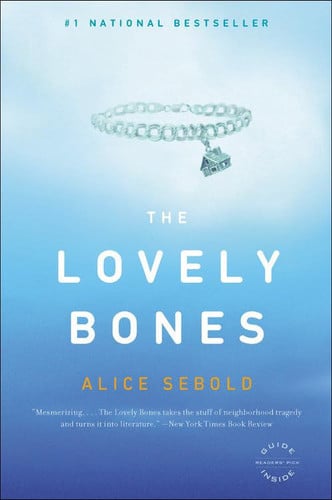
The Lovely Bones
by Alice Sebold, John Henriksen
7.72 / 10 2.5M ratings
- Language
- English
- Published
- 2002
- Publisher
- Little Brown and Company
- Pages
- 328
- ISBN
- 9780316666343
My name was Salmon, like the fish; first name, Susie. On December 6, 1973, she was a fourteen-year-old girl who was lured into a cornfield, murdered, and dismembered. From her new home in a personal heaven, Susie watches the life she will never live unfold on Earth. She sees her family, shattered by grief, struggle with her absence. Her father becomes obsessed with finding her killer, her mother retreats into herself, and her siblings try to grow up under the shadow of her death. From her unique vantage point, Susie also watches her murderer, a neighbor living just down the street, as he skillfully covers his tracks and moves on with his life.
This is not a story about death, but about the life that follows. It is a profound exploration of loss, memory, and the enduring power of family love. As Susie observes the everyday moments of those she left behind - the first kiss, the holiday dinners, the small victories - she must grapple with her own desire for revenge and her longing to see her family heal. The narrative is a testament to the connections that bind us, even across the greatest possible distance, and reveals how the most terrible of events can give rise to a new, resilient kind of hope, creating a structure of "lovely bones" from the remnants of a life cut short.
This is not a story about death, but about the life that follows. It is a profound exploration of loss, memory, and the enduring power of family love. As Susie observes the everyday moments of those she left behind - the first kiss, the holiday dinners, the small victories - she must grapple with her own desire for revenge and her longing to see her family heal. The narrative is a testament to the connections that bind us, even across the greatest possible distance, and reveals how the most terrible of events can give rise to a new, resilient kind of hope, creating a structure of "lovely bones" from the remnants of a life cut short.
Subjects
- Literature & Fiction
- Genre Fiction
- Horror
- Mystery, Thriller & Suspense
- Thrillers & Suspense
- Suspense
- Literary
- Fantasy
- Science Fiction & Fantasy
- Fiction
- United States
- Anthologies
- Romance
- Mystery
- Crime
- Coming of Age
- Family Life
- Contemporary
- English & College Success
- English
- Psychological
- Psychological Thrillers
- Magical Realism
- New, Used & Rental Textbooks
- Writing
- Performing Arts
- Literary Collections
- Biographical
- Theater
- People & Places
- European
- English, Irish, Scottish, Welsh
- Juvenile Nonfiction
- Language Arts & Disciplines
- Women Authors
- American
- Literary Criticism
- Fiction, psychological
- Ghost
- Sagas
- Fiction, family life, general
- Fiction, family life
- Audiobooks
- Direction & Production
- Playwriting
- Teenage girls
- Mystery & Detective
- Thrillers
- Visionary & Metaphysical
Original edition
Uma Vida InterrompidaOriginally published in 2000 Portuguese Ediouro Publishing
Other editions (83)




Listen to the summary Narrated summary
My name was Salmon, like the fish; first name, Susie. I was fourteen when I was murdered on December 6, 1973. My murderer was a man from our neighborhood, a man my mother liked for his border flowers and my father once discussed fertilizer with. I was taking a shortcut home through the cornfield when he coaxed me into a small room he'd dug in the earth, a hiding place he said he'd built for the neighborhood kids. It was warm inside, away from the falling snow, and I was curious. But then he said, “Take off your clothes.” I fought, but I was just a girl. The last thing I heard on Earth was the weak tinkling of the jingle bells on the hat my mother had made me, the one he stuffed in my mouth to keep me quiet.
From my new home, I watched. It was a heaven of my own design, with high school buildings where we never had to go to class and soccer goalposts in the distance. I had a roommate named Holly and an intake counselor named Franny, but mostly I had Earth. I saw my family reeling from my absence. My mother, Abigail, sat numbly in a chair by the front door, while my father, Jack, was driven into motion, a frantic energy possessing him. He went door to door with my school picture, his hope a flickering, painful light. My little sister, Lindsey, just thirteen, built a wall of silence and sit-ups around herself, and my four-year-old brother, Buckley, just knew I was gone. “Wheres Susie?” he would ask, a question that hung in the air of our house like a ghost.
My father knew, with an instinct no one could shake, who had done it. George Harvey. He began a quiet, obsessive watch on the green-shingled house down the street. He saw Mr. Harvey building a strange bridal tent in his backyard and went to help, hoping to glean some clue. All he felt was a cold certainty that left him breathless. He tried to tell the police, but they saw only a grieving father, desperate for a villain. The neighbors saw a man unraveling. My father's grief became a solitary vigil, a candle burning in the window of his den, where he smashed the ships-in-bottles we had built together, and in every shard of broken glass, for a single moment, he saw my face.
Life, however, tried to push its way back in. My grandmother, Lynn, arrived in a limousine, draped in mink and trailing the scent of champagne. She barged into our silent house and, in all her obnoxious finery, dragged the light back in. She gave my mother a makeover, turning a moment of protest into one of weeping laughter. She saw a flicker of first love in Lindsey's eyes and announced it to the room, giving my sister permission to feel something other than sorrow. For a little while, the house felt less like a tomb. But the shadows were long. One night, my father, believing he saw Mr. Harvey's flashlight in the cornfield, took a baseball bat and went out to find him. Instead, he stumbled upon my friend Clarissa and her boyfriend, Brian Nelson. In the confusion and darkness, he screamed my name, and Brian, thinking him a monster, beat him nearly to death.
With my father in the hospital, his certainty about Mr. Harvey now dismissed as delusion, Lindsey took the burden onto herself. She began casing the green house, her daily soccer runs a cover for her surveillance. One afternoon, she saw him leave. She broke a basement window and slipped inside the sterile, empty shell of his house - a dark mirror of our own. Upstairs, in a room that would have been mine, she found his sketchbook. Just as she heard his car pull into the driveway, she saw it: a detailed drawing of the underground den, with the words “Stolfuz cornfield” scrawled beside it. As Mr. Harvey bounded up the stairs, she smashed a window screen, rolled off the porch roof, and ran, the crumpled drawing clutched in her hand. She had proof. But it was too late. He saw her, the number 5 on her soccer shirt screaming at him as she fled. That night, he quietly packed a bag and vanished.
The years that followed were a slow, painful unraveling. My mother, unable to live inside the walls of our grief, had a brief, desperate affair with the detective on my case and then fled to California, seeking an anonymity she could breathe in. My father was left to raise Lindsey and Buckley alone, his heart a hollowed-out cavern. Lindsey and her first love, Samuel Heckler, went off to college together, their bond forged in the aftermath of my death. Buckley grew up in a house haunted by my absence, building a fort in the backyard as a shrine he didn't know he was making. He saw me sometimes, a sisterly ghost who was both a comfort and a curse.
I watched them all, but I also watched Ruth Connors, the strange, artistic girl I had accidentally touched with my soul as I left Earth. She had become a woman who saw the dead, who walked the streets of New York City documenting the places where girls and women had been violently lost. She kept journals filled with their stories, a lonely chronicler of ghosts. And I watched Ray Singh, the boy who had given me my first and only kiss. He went to medical school, his life moving forward, but he kept my school photo tucked inside a book of poetry, a memory of a love that never had the chance to be.
One day, I felt an impossible pull, a yearning so strong it tore the fabric of my heaven. Ruth was visiting home and was drawn to the sinkhole where my body had been dumped. As she stood at its edge, she saw me. At that same moment, Mr. Harvey, on one of his furtive returns to the area, drove past. The convergence was too much. Ruth collapsed, her soul flying upward as mine fell to Earth. For a brief, miraculous time, I was inside her body. I felt the sun on my skin, the ground beneath my feet. Ray was there, and when he looked into Ruth's eyes, he saw me. "Susie?" he whispered. I was granted the one wish I had held for so long. We made love in the back of Hal Heckler's bike shop. It was not a violent claiming, but a gentle, human touch. It was the life I never had.
When I returned to my heaven, it was wider and more peaceful. I had let go. On Earth, my mother came home to my father's side after he suffered a heart attack. Standing in his hospital room, they found each other again, not as the people they were before I died, but as the people they had become. They learned to live in the face of it. Mr. Harvey, years later, met his own end when an icicle fell from a roof, knocking him into a ravine where his body lay undiscovered for weeks.
These were the lovely bones that had grown around my absence: the connections - sometimes tenuous, sometimes made at great cost, but often magnificent - that happened after I was gone. Lindsey and Samuel married and had a daughter of their own. My parents found a quiet way to be together. Buckley learned to beat his own rhythm on a set of drums. I watched them from my wide, wide heaven. I saw a man find my charm bracelet in the mud of a construction site. "This little girl's grown up by now," his wife said. Almost. Not quite. I wish you all a long and happy life.
From my new home, I watched. It was a heaven of my own design, with high school buildings where we never had to go to class and soccer goalposts in the distance. I had a roommate named Holly and an intake counselor named Franny, but mostly I had Earth. I saw my family reeling from my absence. My mother, Abigail, sat numbly in a chair by the front door, while my father, Jack, was driven into motion, a frantic energy possessing him. He went door to door with my school picture, his hope a flickering, painful light. My little sister, Lindsey, just thirteen, built a wall of silence and sit-ups around herself, and my four-year-old brother, Buckley, just knew I was gone. “Wheres Susie?” he would ask, a question that hung in the air of our house like a ghost.
My father knew, with an instinct no one could shake, who had done it. George Harvey. He began a quiet, obsessive watch on the green-shingled house down the street. He saw Mr. Harvey building a strange bridal tent in his backyard and went to help, hoping to glean some clue. All he felt was a cold certainty that left him breathless. He tried to tell the police, but they saw only a grieving father, desperate for a villain. The neighbors saw a man unraveling. My father's grief became a solitary vigil, a candle burning in the window of his den, where he smashed the ships-in-bottles we had built together, and in every shard of broken glass, for a single moment, he saw my face.
Life, however, tried to push its way back in. My grandmother, Lynn, arrived in a limousine, draped in mink and trailing the scent of champagne. She barged into our silent house and, in all her obnoxious finery, dragged the light back in. She gave my mother a makeover, turning a moment of protest into one of weeping laughter. She saw a flicker of first love in Lindsey's eyes and announced it to the room, giving my sister permission to feel something other than sorrow. For a little while, the house felt less like a tomb. But the shadows were long. One night, my father, believing he saw Mr. Harvey's flashlight in the cornfield, took a baseball bat and went out to find him. Instead, he stumbled upon my friend Clarissa and her boyfriend, Brian Nelson. In the confusion and darkness, he screamed my name, and Brian, thinking him a monster, beat him nearly to death.
With my father in the hospital, his certainty about Mr. Harvey now dismissed as delusion, Lindsey took the burden onto herself. She began casing the green house, her daily soccer runs a cover for her surveillance. One afternoon, she saw him leave. She broke a basement window and slipped inside the sterile, empty shell of his house - a dark mirror of our own. Upstairs, in a room that would have been mine, she found his sketchbook. Just as she heard his car pull into the driveway, she saw it: a detailed drawing of the underground den, with the words “Stolfuz cornfield” scrawled beside it. As Mr. Harvey bounded up the stairs, she smashed a window screen, rolled off the porch roof, and ran, the crumpled drawing clutched in her hand. She had proof. But it was too late. He saw her, the number 5 on her soccer shirt screaming at him as she fled. That night, he quietly packed a bag and vanished.
The years that followed were a slow, painful unraveling. My mother, unable to live inside the walls of our grief, had a brief, desperate affair with the detective on my case and then fled to California, seeking an anonymity she could breathe in. My father was left to raise Lindsey and Buckley alone, his heart a hollowed-out cavern. Lindsey and her first love, Samuel Heckler, went off to college together, their bond forged in the aftermath of my death. Buckley grew up in a house haunted by my absence, building a fort in the backyard as a shrine he didn't know he was making. He saw me sometimes, a sisterly ghost who was both a comfort and a curse.
I watched them all, but I also watched Ruth Connors, the strange, artistic girl I had accidentally touched with my soul as I left Earth. She had become a woman who saw the dead, who walked the streets of New York City documenting the places where girls and women had been violently lost. She kept journals filled with their stories, a lonely chronicler of ghosts. And I watched Ray Singh, the boy who had given me my first and only kiss. He went to medical school, his life moving forward, but he kept my school photo tucked inside a book of poetry, a memory of a love that never had the chance to be.
One day, I felt an impossible pull, a yearning so strong it tore the fabric of my heaven. Ruth was visiting home and was drawn to the sinkhole where my body had been dumped. As she stood at its edge, she saw me. At that same moment, Mr. Harvey, on one of his furtive returns to the area, drove past. The convergence was too much. Ruth collapsed, her soul flying upward as mine fell to Earth. For a brief, miraculous time, I was inside her body. I felt the sun on my skin, the ground beneath my feet. Ray was there, and when he looked into Ruth's eyes, he saw me. "Susie?" he whispered. I was granted the one wish I had held for so long. We made love in the back of Hal Heckler's bike shop. It was not a violent claiming, but a gentle, human touch. It was the life I never had.
When I returned to my heaven, it was wider and more peaceful. I had let go. On Earth, my mother came home to my father's side after he suffered a heart attack. Standing in his hospital room, they found each other again, not as the people they were before I died, but as the people they had become. They learned to live in the face of it. Mr. Harvey, years later, met his own end when an icicle fell from a roof, knocking him into a ravine where his body lay undiscovered for weeks.
These were the lovely bones that had grown around my absence: the connections - sometimes tenuous, sometimes made at great cost, but often magnificent - that happened after I was gone. Lindsey and Samuel married and had a daughter of their own. My parents found a quiet way to be together. Buckley learned to beat his own rhythm on a set of drums. I watched them from my wide, wide heaven. I saw a man find my charm bracelet in the mud of a construction site. "This little girl's grown up by now," his wife said. Almost. Not quite. I wish you all a long and happy life.
What other readers say
Liked
The Lovely Bones is widely praised for its unique and compelling premise, narrated by a young girl observing her family and the world from a personal heaven after her untimely death. Many readers found the concept deeply emotional and heartbreaking, often moving them to tears. Reviewers noted the book's ability to hook them from the very first sentence, creating an overwhelming impulse to continue reading. The narrative is often described as captivating, exploring themes of grief, loss, and the enduring connections between family members. For some, the characters felt real and multi-dimensional, and the story offered a subtle message of hope and acceptance amidst tragedy, presenting a spiritual journey of finding peace.
Disliked
However, a significant number of readers expressed strong negative reactions, citing numerous issues with the book's execution. Criticisms frequently targeted the writing style, which some found to be poorly crafted, with awkward descriptions, questionable grammar, and confusing metaphors. Many felt the book lacked a coherent plot, describing it more as a prolonged "situation" with little forward momentum or suspense, leading to a slow and often boring reading experience after an initially strong start. Characters were often perceived as two-dimensional, stereotypical, and lacking complexity, with their emotions reduced to simplistic reactions. The portrayal of heaven was disappointing for some, and the ending was frequently called horrible, forgettable, confusing, or even offensive, failing to provide a satisfying or logical resolution.
In short
Overall, opinions on The Lovely Bones are sharply divided, ranging from declarations of it being a modern classic to the worst book ever read. While some found it a deeply moving and original exploration of grief and the afterlife, others were profoundly disappointed by its narrative and literary quality. This book would likely appeal to readers who are drawn to emotionally intense stories with a unique narrative voice, particularly those interested in themes of loss, healing, and family dynamics, and who prioritize emotional impact over intricate plot development or conventional literary style. However, readers sensitive to perceived writing flaws or seeking a tightly plotted mystery may find it frustrating.
No reviews yet. Be the first.