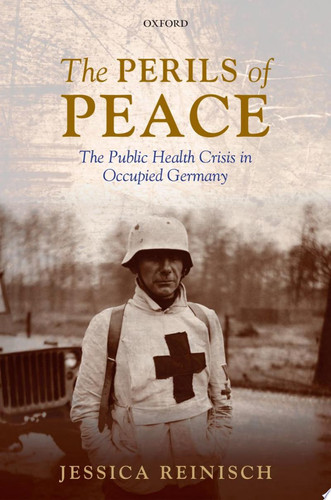
In the year 1945, as the last echoes of war faded, Germany lay in ruins, not merely physically, but fundamentally broken. A landscape of rubble stretched as far as the eye could see, a nation stripped of government, with infrastructure shattered and millions cast adrift as refugees and homeless souls. Foreign armies, the victors, now occupied the land, often living off its meager resources. Clean drinking water, electricity, and gas were luxuries of a bygone era. Hospitals, though overflowing with the sick and wounded, lacked beds, essential medicines, and even the most basic medical personnel. Amidst this desolation, the specter of widespread epidemics and public health catastrophes loomed large, a silent, insidious threat more terrifying than any remaining armed resistance.
During the brutal years of conflict, the health of the German populace had been a secondary concern for the Allied powers, deemed an unaffordable indulgence for a defeated enemy. Yet, with the cessation of hostilities and the commencement of occupation duties, this perspective shifted with startling speed. Public health transformed from a distant afterthought into an urgent, undeniable priority. It became clear that maintaining order, ensuring the governability of the populace, and laying any foundation for future reconstruction hinged entirely upon the restoration of basic health and sanitation. Without it, the entire enterprise of occupation was imperiled, not least by the very diseases that threatened to engulf the German people and potentially spread to the occupying forces themselves.
The challenges confronting the four occupying powers - Britain, France, the Soviet Union, and the United States - were monumental and fraught with moral complexities. How were they to identify and trust Germans capable of assisting in this immense task, particularly when the recent past was stained with Nazism? The question of who could be tolerated, reformed, or even reintegrated into society due to sheer necessity, despite past allegiances, became a recurring, agonizing dilemma. This was not merely a logistical problem but a profound ethical one, forcing the occupiers to confront the very purpose and principles of their presence.
Across the four distinct occupation zones, the initial assumptions of each power were quickly shattered by the grim realities on the ground. The destruction of hygiene infrastructure was pervasive; terrible sanitary conditions, widespread malnutrition, and a surge in prostitution compounded the crisis. The relentless movement of millions of displaced persons across the continent served as a highway for infectious diseases. Typhus, dysentery, venereal diseases, and the ever-present threat of starvation became immediate, pressing concerns, threatening not only German civilians but also the health and stability of the Allied troops.
Each zone grappled with these issues, often with divergent policies reflecting their own political ideologies and national experiences. The Americans, for instance, implemented denazification policies that rigorously screened German medical personnel, alongside efforts to decentralize health administration and instill "democratic" values within the medical profession. Yet, the exigencies of the public health crisis often forced uncomfortable compromises, revealing inherent contradictions where political goals sometimes superseded immediate health needs. The urgent demand for skilled medical professionals, regardless of their past, frequently clashed with the imperative to eradicate Nazi influence.
Public health, therefore, became more than a mere medical concern; it emerged as a crucible where the fundamental questions of the occupation were tested and shaped. It offered a unique lens through which to understand the political and economic forces at play, revealing how decisions about treating the defeated population, eradicating Nazism, and selecting collaborators were made under immense pressure. These efforts, or sometimes the lack thereof, would ultimately determine the success or failure of the entire occupation experiment, setting the stage for the deep divisions that would soon characterize the emerging Cold War.