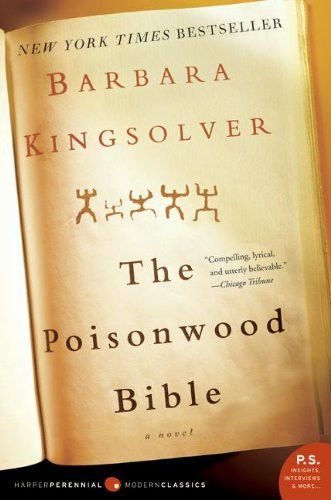
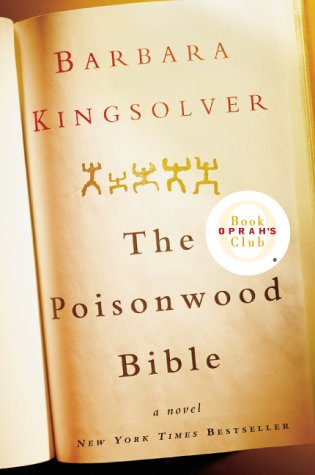
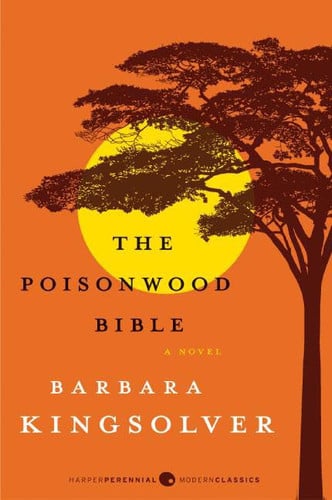
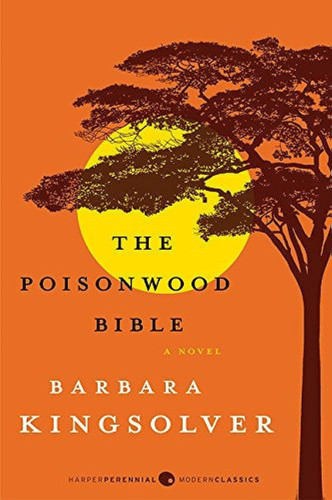
Positives The Poisonwood Bible is widely praised for its exceptional writing, with many reviewers highlighting the poetic beauty and evocative nature of its prose. The author's ability to create a vivid and compelling atmosphere of African life, customs, and landscape is frequently commended, transporting readers into the heart of the Congo. The novel's unique structure, told through the distinct and developing voices of the mother and her four daughters, is celebrated for its strong character development and the engaging exploration of diverse perspectives on cross-cultural interaction. Many found the story engrossing, emotionally investing, and profoundly thought-provoking, appreciating its multi-layered examination of complex themes without offering simplistic answers, leaving a lasting impression on readers.
Negatives However, a significant point of contention among reviewers is the book's perceived lack of objective balance and a strong authorial agenda. Critics argue that the narrative is at times overly preachy, critical, and manipulative, particularly in its portrayal of the father character as a one-dimensional caricature of Western arrogance and religious fanaticism. This perceived bias extends to the depiction of missionaries and American foreign policy, which some readers found disrespectful to the characters and historically inaccurate in certain aspects. Other drawbacks mentioned include a slow pace, especially in the latter sections, and a feeling that the plot sometimes dragged or lacked sufficient progression. Some also felt that certain character dialogues required a considerable suspension of disbelief and that the individual voices did not always ring true.
Conclusion Ultimately, The Poisonwood Bible stands as a deeply polarizing yet widely acknowledged work of literary fiction. While some readers found its strong viewpoints challenging and its pace demanding, many others appreciated its immersive storytelling and the profound questions it raises. It is recommended for those who enjoy beautifully crafted prose, complex character studies, and a narrative that encourages deep reflection on themes of colonialism, faith, identity, and cultural clashes. Readers who are prepared for a demanding read with a distinct perspective on historical and social issues, and who value books that spark conversation and critical thought, are most likely to find this novel a rewarding experience.