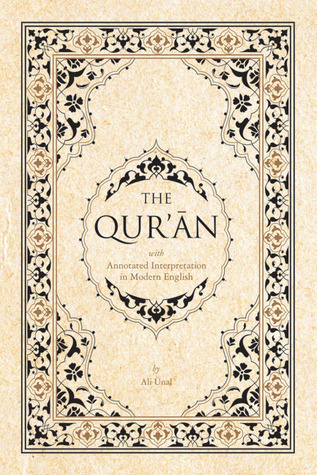
The Qur'an - Three best known English translations: Abdullah Yusuf Ali, Marmaduke Pickthall and M. H. Shakir.
- First published 1971
- English
- Classic
Talal Itani's "Quran Arabic and English in Parallel" offers a clear and accessible presentation of the Holy Quran, featuring the original Arabic text alongside a modern English translation. This edition provides a direct rendition of the sacred scripture, carefully maintaining fidelity to the Arabic original. Itani's translation is designed for clarity and ease of reading, utilizing contemporary English vocabulary and simple sentence structures to convey the Quran's message without interpretations or footnotes.
Each verse is meticulously paired with its corresponding Arabic text in traditional Uthmanic script, allowing readers to engage with both languages simultaneously. This parallel format supports a deeper study and appreciation of the Quran, bridging centuries by making divine wisdom accessible to a broad audience. The translation aims to offer an unbiased and authentic understanding, fostering a direct, personal connection with the text.
Each verse is meticulously paired with its corresponding Arabic text in traditional Uthmanic script, allowing readers to engage with both languages simultaneously. This parallel format supports a deeper study and appreciation of the Quran, bridging centuries by making divine wisdom accessible to a broad audience. The translation aims to offer an unbiased and authentic understanding, fostering a direct, personal connection with the text.
What readers say
4.37
76K ratings across the web 8 in 10 readers loved it, 1 didn't like it
Readers consistently describe the book as a source of profound spiritual guidance, wisdom, and peace, often calling it a miracle or the divine word. Many attest to its life-changing impact, providing solace and and clarity, particularly in moments of uncertainty. Reviewers appreciate its emphasis on mercy, logic, and a singular God, finding it to be a clear and often easier read than other religious texts. Its unique nature and eternal relevance are frequently highlighted, with some suggesting its deep meaning is best appreciated in its original language, offering continuous learning with each reading. For many, it serves as an inspiring text that challenges common misconceptions about the faith it represents.
Conversely, a significant number of reviews express strong criticisms, citing concerns about passages interpreted as promoting violence and intolerance towards those of different faiths or beliefs. Reviewers also raise issues regarding the treatment and status of women within the text, with some finding certain injunctions concerning marital relations and inheritance laws to be outdated or deeply problematic. The book is sometimes criticized for its perceived repetitiveness, a demanding tone that requires unquestioning acceptance, and what some consider a lack of emphasis on compassion or grace in certain teachings. Additionally, some readers find its narrative style challenging or its content to be at odds with modern scientific understanding or the tenets of other major religions.
The reviews reveal a deeply polarized reception, reflecting the book's profound significance and controversial interpretations. While some readers find it to be an unparalleled source of spiritual enlightenment and universal guidance, others view it as a problematic text with teachings that are outdated or conducive to intolerance. Ultimately, it is seen as a foundational text whose impact cannot be overstated. This book is recommended for anyone seeking to understand a major world religion, those interested in diverse spiritual perspectives, or individuals wishing to form their own informed opinions on a text that continues to shape global discourse. Readers are encouraged to approach it with an open mind and a discerning critical faculty, recognizing its complex and multifaceted nature.
Reviews
No reviews yet. Be the first.
Details & editions
- This edition
- Mobilereference, 2010
- ISBN
- 9781605011738
- Language
- English
Original edition The Quran Originally published in 1971 · MUL · Curzon Press (London/Dublin)