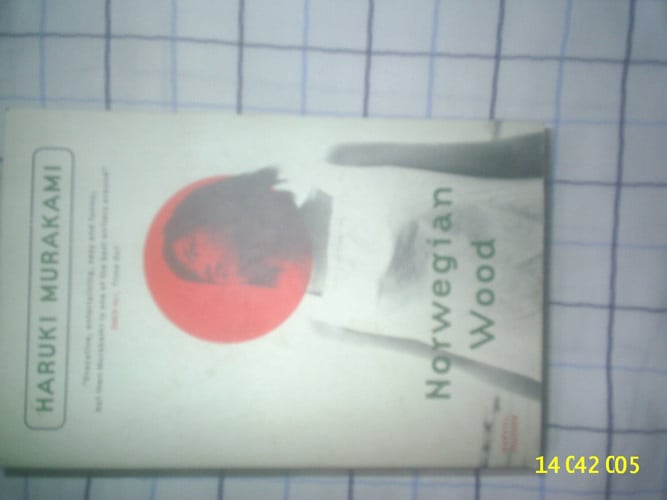
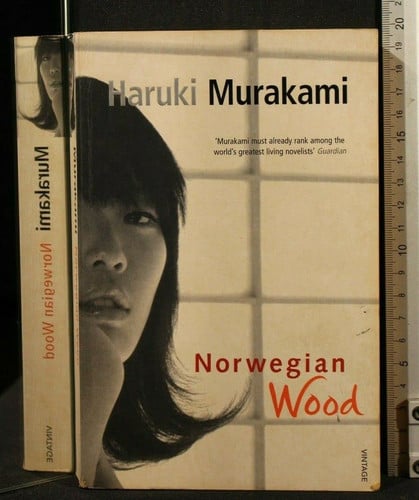
Positives Reviewers offer a varied perspective on Haruki Murakami's "Norwegian Wood," with many praising its beautiful, lyrical, and captivating prose. Readers found the storytelling powerful and affecting, delving deeply into the human mind and exploring universal themes such as coming of age, love, loss, loneliness, and the search for meaning. The novel is often described as heartbreaking yet heartwarming, making readers feel a significant connection to the characters and the raw honesty of their experiences. Many appreciated how the book captures the uncertainties and anxieties of youth, set against the backdrop of 1960s and 70s Tokyo, and even those accustomed to Murakami's more surreal works lauded its unique charm and ability to evoke strong feelings of nostalgia and introspection.
Negatives Conversely, a significant number of reviewers expressed disappointment, finding the main character to be self-pitying, dull, and lacking in empathy, with some perceiving him as a wish-fulfillment vehicle for the author. The female characters frequently drew criticism for being portrayed as weak, dependent, unrealistic, or merely existing as objects, with some reviewers finding their actions and dialogue unbelievable or manipulative. The depiction of intimate encounters and discussions of trauma were points of contention, with some readers describing them as unhealthy, awkward, fetishized, or even disturbing. Furthermore, some found the plot to be slow, inconsequential, or even non-existent, and the philosophical observations to be blunt or preachy. Many Murakami fans felt this novel lacked the magical realism and unique qualities present in his other works, leading to a sense of betrayal or a belief that it is not representative of his best writing.
Conclusion Ultimately, "Norwegian Wood" proves to be a highly divisive book, with readers often experiencing strong emotional reactions, both positive and negative. It stands out in Murakami's bibliography as a departure from his signature magical realism, offering a more grounded yet equally introspective narrative. This novel would appeal to readers interested in a poignant and often melancholic exploration of youth, first love, grief, and the challenging transition into adulthood. However, those sensitive to frank, sometimes disturbing, depictions of intimacy, mental illness, and loss, or who prefer a more traditional plot and optimistic tone, should approach with caution. It is recommended for those who appreciate literary fiction that delves into complex emotional landscapes and the raw realities of human experience, even when the journey is dark and emotionally taxing.