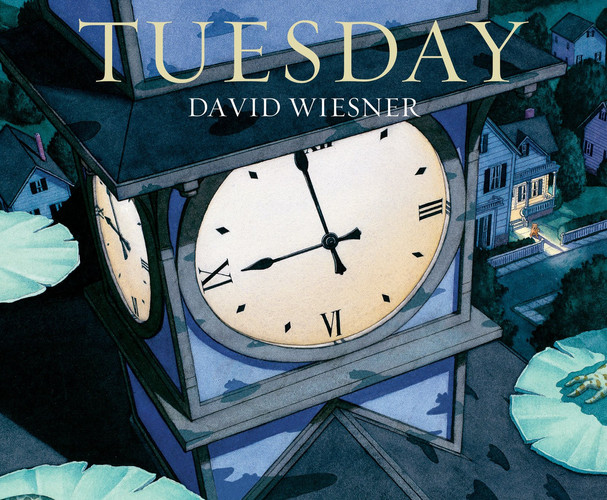
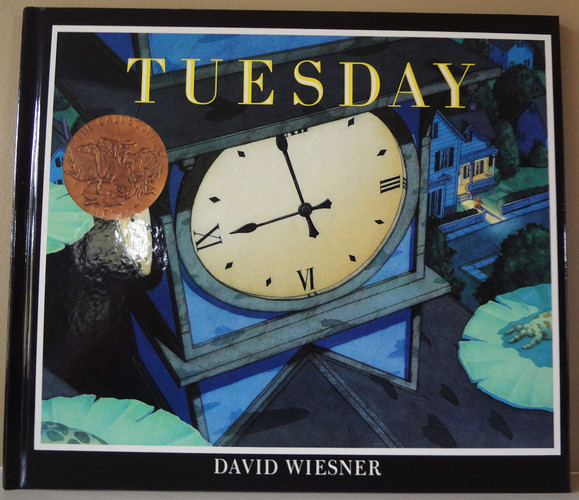
Positives Reviewers universally praise the book's stunning and imaginative illustrations, often described as beautiful, magical, and gorgeously surreal watercolors. The wordless format is highlighted as a powerful storytelling device, allowing children's imaginations to run wild and providing ample opportunity for discussion and interpretation. Many found the story to be enchanting, delightful, and genuinely funny, with its whimsical and unexpected events bringing bubbles of joy and laughter. The book's unique humor and creative visuals are frequently cited as reasons for its Caldecott Medal win and its status as an outstanding work by the author.
Negatives Despite widespread acclaim, a few readers found the narrative to be somewhat "odd" or even "creepy" in its surrealism, noting that it did not always "wow" them as much as other books by the same author. Some more analytical readers expressed a desire for additional information or a clearer explanation for the events unfolding, feeling that the story lacked a discernible "point" for them. One critical assessment suggested that the absence of a central human character might make the fantasy less accessible or resonant for some, though this view was not universally shared.
Conclusion Overall, the book is celebrated as a brilliant and highly creative work of visual storytelling that encourages deep engagement and imagination. It is particularly recommended for young children, typically ages three to eight, who will be captivated by its engaging illustrations and enjoy creating their own narratives. It also appeals to older readers and educators looking for books that spark wonder, encourage prediction, and foster visual literacy. This book is ideal for anyone who appreciates whimsical, mysterious, and humorous picture books that invite personal interpretation and celebrate the unexpected.